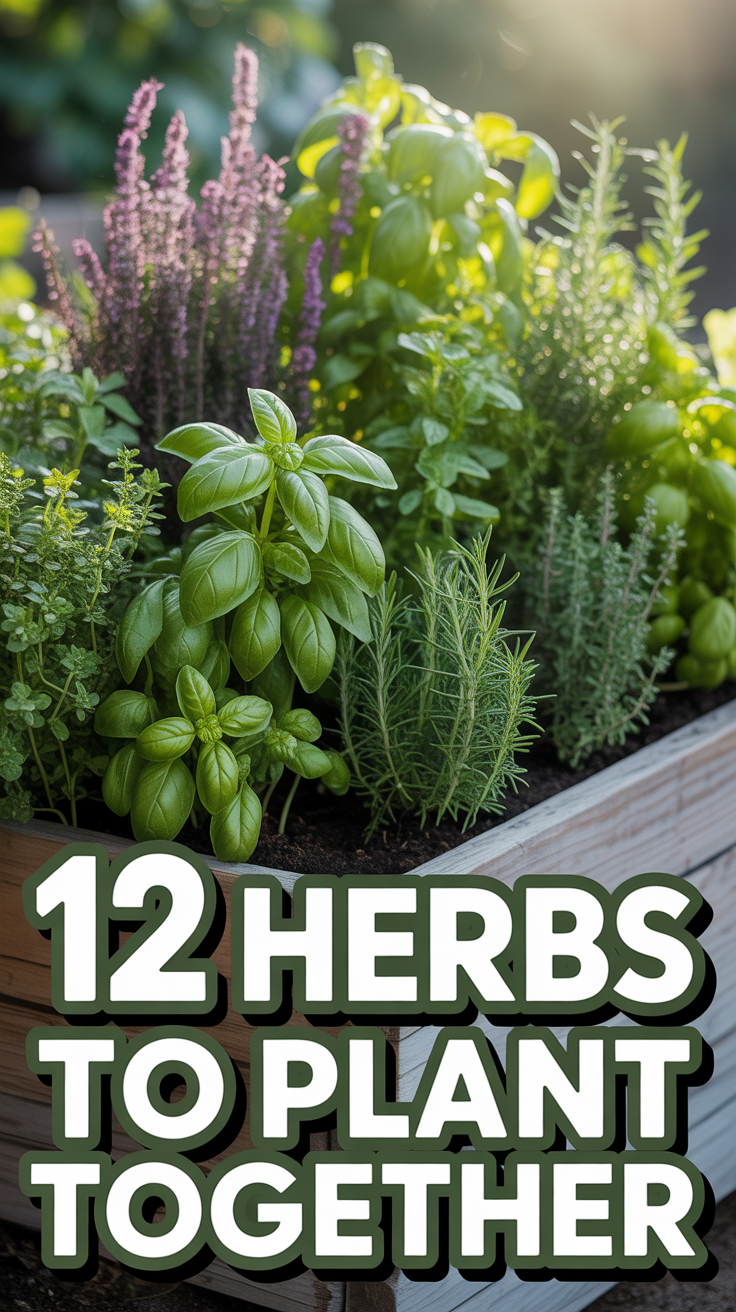
🌱 12 Herbs To Plant Together
👩🌾 The Master Gardener's Starter Kit
Having a healthy, thriving garden is ten times easier when you aren't fighting with cheap tools. These are the 5 rugged, reliable gardening essentials that experienced landscapers and passionate home gardeners swear by to save time, protect their joints, and get better yields.
✂️ Felco F-2 Classic Manual Pruners
The legendary "buy it for life" pruning shears. Cheap pruners crush stems and spread disease, but these Swiss-made, razor-sharp bypass pruners slice cleanly through thick branches and rose bushes effortlessly. Every single part is replaceable, making it a true lifetime investment.
💧 XLUX Soil Moisture Meter
Overwatering is the number one reason plants die. This simple, battery-free probe completely removes the guesswork from your watering schedule. Just stick it in the soil at root level to instantly know exactly when your veggies, flowers, or houseplants are actually thirsty.
🐍 Flexzilla Heavy Duty Garden Hose
Stop wrestling with stiff, heavy rubber hoses that pinch and cut off water flow. This incredibly lightweight, high-visibility green hose lays completely flat, never kinks under pressure, and is surprisingly easy to coil back up—even in freezing weather.
🧘♀️ Extra Thick High-Density Kneeling Pad
Gardening shouldn't mean suffering joint pain for three days afterward. This ultra-thick, water-resistant foam pad absorbs rocks, roots, and uneven ground, protecting your knees whether you're pulling weeds for five minutes or planting bulbs all afternoon.
🧤 Pine Tree Tools Bamboo Garden Gloves
Finally, a glove that protects hands without making you lose your dexterity. These breathable bamboo-fiber gloves fit like a second skin, allowing you to handle delicate seedlings or grip muddy tools securely while keeping dirt from packing under your fingernails.
Okay, let’s spill the tea (or, you know, the basil-infused water). You’re dreaming of a kitchen garden that practically runs itself, right? A place where your herbs aren’t just surviving, they’re thriving. Well, honey, the secret sauce is companion planting. It’s like setting up a dream team for your plant babies. Some herbs are just better together, offering mutual benefits like pest control, growth boosts, or just looking fabulous side-by-side. Forget those awkward plant divorces later; we’re playing matchmaker now.
Get ready to elevate your herb game from “meh” to “magnificent.” We’re talking about smart pairings that make your garden a harmonious, productive paradise. Your taste buds (and your Instagram feed) will thank you.
1. Basil and Tomatoes
This duo is the ultimate power couple, the Beyoncé and Jay-Z of the garden. Everyone knows basil makes tomatoes taste divine on your plate, but they also love each other in the soil. Basil helps deter those pesky tomato hornworms and flies, keeping your fruit pristine.
Plant basil right at the base of your tomato plants. The tomato provides some nice afternoon shade, which basil appreciates, especially in hotter climates. It’s a win-win for flavor and pest patrol, basically a garden goals relationship.
2. Rosemary and Sage
Picture this: two Mediterranean mavens, practically made for each other. Both rosemary and sage enjoy similar growing conditions – full sun and well-drained soil. They’re like those friends who always agree on vacation spots.
These aromatic beauties deter a whole host of unwelcome guests, including cabbage moths and bean beetles. Just make sure they have enough room to spread their branches; they get a bit bushy when they’re happy. Think of them as your garden’s fragrant bouncers.
3. Mint and Cabbage/Broccoli
Mint is a bit of a wild child, we know. It’s notorious for taking over, but when properly contained, it’s a superhero for your brassicas. Its strong scent confuses and deters flea beetles and cabbage worms, keeping your leafy greens safe.
Always plant mint in a pot before burying the pot directly into the garden bed. This keeps its enthusiastic roots in check while still letting its pest-repelling magic waft over your cabbages. It’s like having a bodyguard with boundaries.
4. Chives and Carrots
Who knew chives were such good wingmen for carrots? These mild-mannered alliums are excellent at deterring carrot rust flies, a common nuisance that can ruin your root crop. They also help improve the overall growth and flavor of your carrots.
Sprinkle some chive seeds or plant small chive clumps around your carrot rows. Their subtle oniony aroma creates a protective barrier. Plus, you get fresh chives for days – what’s not to love about that?
5. Cilantro and Anise
These two are like the chill friends who always bring the good vibes. Both cilantro and anise attract beneficial insects like hoverflies and parasitic wasps, which are basically tiny garden superheroes munching on aphids and other pests. They also appreciate similar growing conditions.
Plant them near each other in a sunny spot. Just remember cilantro tends to bolt in hot weather, so succession planting is your friend here. Anise is a bit more laid-back about the heat, offering shade if it gets tall. Teamwork makes the dream work.
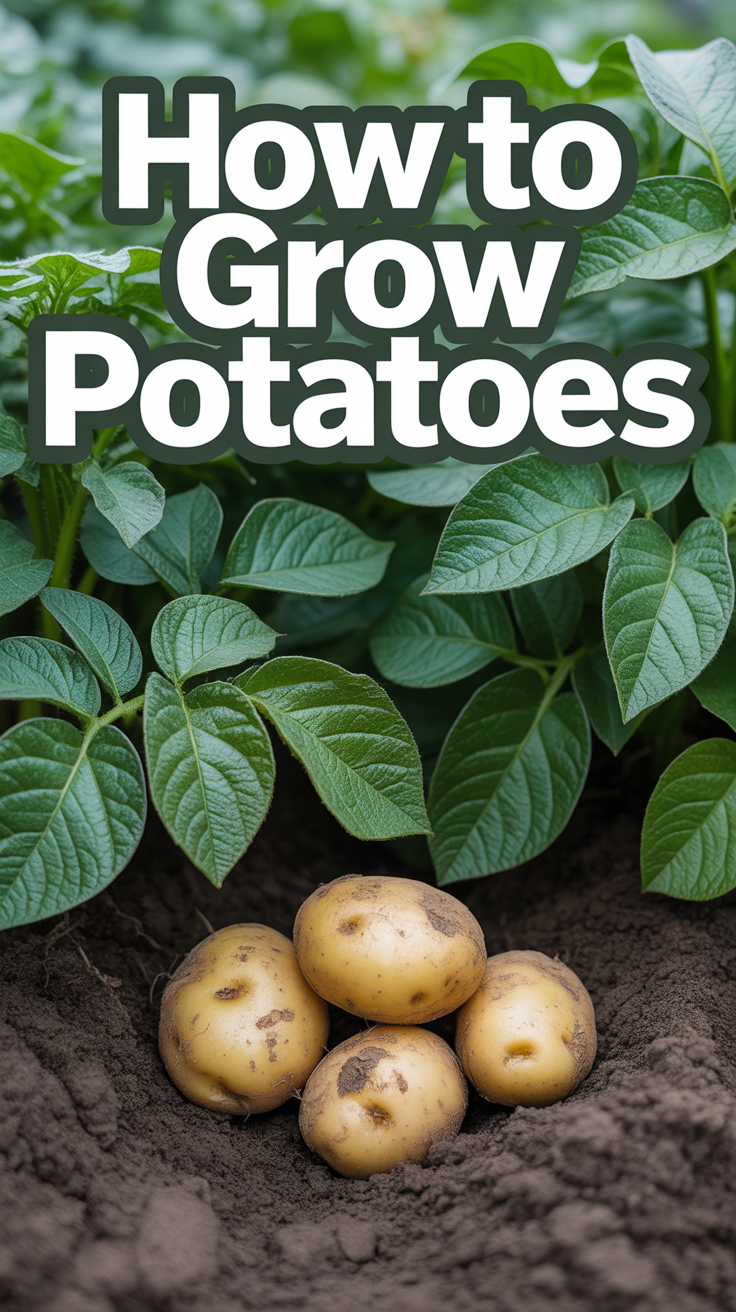
6. Thyme and Potatoes
Thyme is more than just a culinary superstar; it’s a tiny but mighty protector. Planting thyme near your potatoes helps repel the dreaded potato beetle, a pest that can decimate a crop faster than you can say “mashed potatoes.”
Let your thyme spread as a ground cover around your potato plants. Its dense mat keeps weeds down and acts as a living shield. It’s low-maintenance security for your spuds, keeping them safe and sound.
7. Dill and Cabbage/Lettuce
Dill is another unsung hero in the garden, particularly for your leafy greens. It attracts ladybugs and predatory wasps, which are fantastic natural pest controllers for aphids and other soft-bodied insects that love to munch on cabbage and lettuce.
Sow dill seeds near your brassicas and lettuce. Not only does it help protect them, but it also creates a lovely, feathery backdrop in your garden. Just don’t let it go to seed too close if you don’t want dill everywhere next year – it’s an enthusiastic self-sower.
8. Marjoram and Oregano
These two are practically siblings, often confused but each bringing their own distinct charm. Both marjoram and oregano are Mediterranean herbs that thrive in similar sunny, well-drained conditions. They’re like the dynamic duo of Italian cooking and garden harmony.
Plant them together in a dry, sunny spot. They don’t mind a bit of neglect, which makes them perfect for busy gardeners. Their complementary aromas can also help confuse pests, keeping your garden smelling amazing and bug-free.
9. Chamomile and Onions
Chamomile isn’t just for calming tea; it’s a secret weapon for improving the health and flavor of nearby plants. Specifically, it’s known to boost the growth and pungency of onions. Think of it as a tiny plant therapist for your garden.
Plant chamomile around your onion patches. It also attracts beneficial pollinators and can help deter some pests. Who knew a cup of chamomile could do so much good, even before it hits your mug?
10. Parsley and Asparagus
This pairing might surprise you, but parsley is a fantastic companion for asparagus. It helps deter asparagus beetles, which can be a real headache for your perennial spears. Plus, both enjoy a bit of shade in the afternoon, making them compatible neighbors.
Plant parsley at the base of your asparagus plants. Its robust root system also helps improve soil health. It’s like having a loyal friend guarding your precious, slow-growing asparagus patch.
11. Lemon Balm and Fruit Trees
Lemon balm is a vibrant, lemony-scented herb that’s fantastic for attracting pollinators, which are essential for fruit production. Its cheerful disposition and pleasant aroma make it a welcome addition near any fruit-bearing tree or shrub.
Plant lemon balm around the drip line of your fruit trees. It’s a vigorous grower, so consider containing it if you don’t want it spreading too far. It acts as a natural beacon for bees, ensuring your fruit trees get all the pollination love they need.
12. Lavender and Roses
Okay, this one is less about culinary benefits and more about creating a stunning, pest-free paradise. Lavender is a superstar at deterring deer and rabbits, which often have a taste for tender rose leaves. Plus, the purple and various rose colors look absolutely divine together.
Plant lavender around your rose bushes. It also attracts beneficial pollinators and its strong scent can confuse aphids. It’s basically a natural barrier that looks chic and smells incredible – a true garden glow-up.
🪴 The Plant Parent Oasis Build
Taking your indoor jungle or backyard patio to the next level requires more than just water and sunlight. These 5 aesthetic and highly functional accessories are what interior designers and green-thumb experts use to help plants thrive while looking visually stunning.
💡 SANSI Full Spectrum LED Grow Light Bulb
The secret to keeping monsteras and fiddle leaf figs exploding with new growth even in dark apartments. These powerful LED bulbs fit into standard decorative lamps, providing intense, natural daylight mimicry without the ugly purple hue of cheap grow lights.
🌳 Planters' Choice Bonsai Starter Kit
A beautiful introduction to the art of bonsai. This wildly popular kit comes with everything you need—seeds, soil pucks, clippers, and biodegradable pots—to grow four different types of miniature trees from scratch. It's a deeply rewarding and meditative project.
🪵 Elevated Cedar Raised Garden Bed
The perfect solution for growing fresh herbs and tomatoes on a patio or balcony. Standing waist-high, it completely eliminates the need for bending and weeding, while the beautiful, rot-resistant cedar construction instantly upgrades the look of any outdoor space.
✨ Vintage Brass Glass Plant Mister
Tropical plants like ferns and calatheas desperately need humidity, but you don't have to use an ugly plastic spray bottle. This gorgeous, vintage-inspired glass mister delivers a fine fog to keep leaves healthy, and it looks beautiful displayed on a shelf among your pots.
🏺 Terracotta Self-Watering Spikes
Never come home from a vacation to dead, crispy plants again. Simply push these porous terracotta spikes into the soil and insert any recycled glass bottle filled with water. The clay automatically releases moisture at the exact rate the soil dries out!
Conclusion
So there you have it, your cheat sheet to making your herb garden the envy of the neighborhood. By planting these herbs together, you’re not just growing food; you’re cultivating a thriving ecosystem that practically takes care of itself. Less fuss, more flavor, and seriously happy plants.
Go forth, get your hands dirty, and watch your herb garden flourish with these power pairings. Your future self (and your dinner plate) will thank you for being such a clever plant parent. Happy planting, you magnificent green thumb!