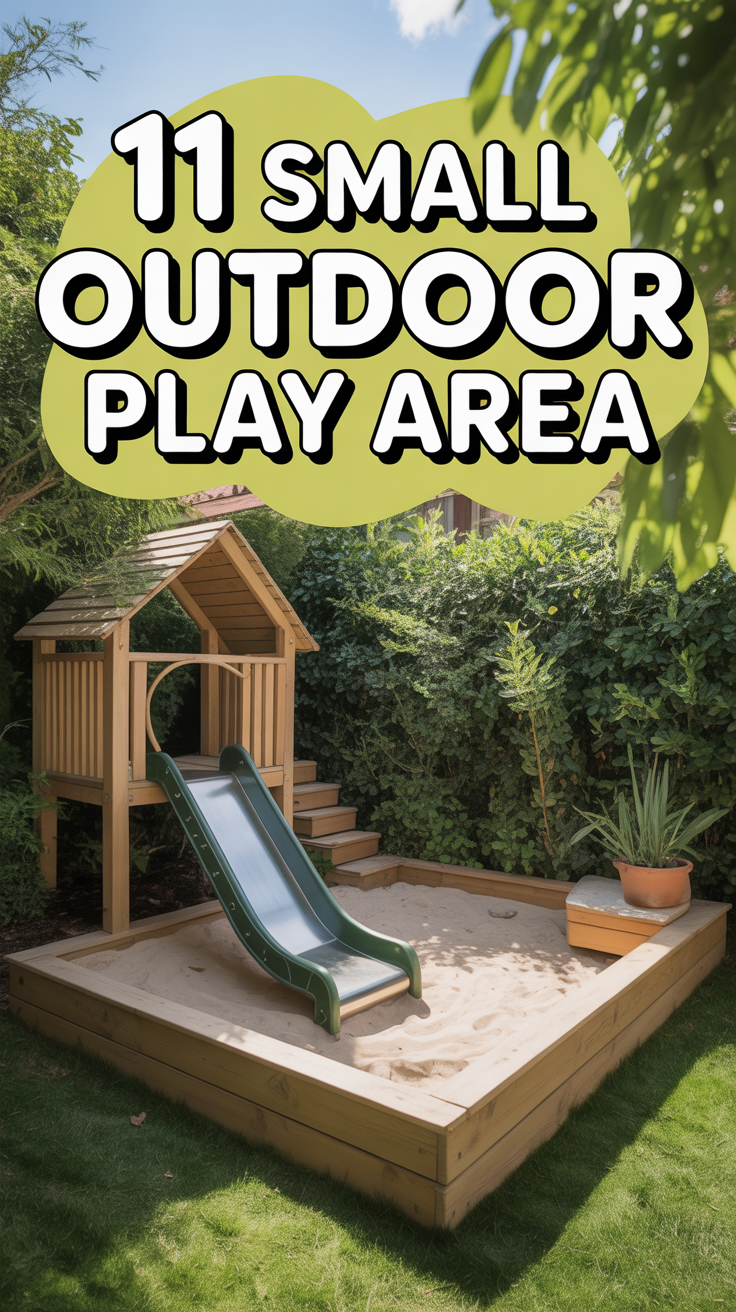
🏞 11 Small Outdoor Play Area
👩🌾 The Master Gardener's Starter Kit
Having a healthy, thriving garden is ten times easier when you aren't fighting with cheap tools. These are the 5 rugged, reliable gardening essentials that experienced landscapers and passionate home gardeners swear by to save time, protect their joints, and get better yields.
✂️ Felco F-2 Classic Manual Pruners
The legendary "buy it for life" pruning shears. Cheap pruners crush stems and spread disease, but these Swiss-made, razor-sharp bypass pruners slice cleanly through thick branches and rose bushes effortlessly. Every single part is replaceable, making it a true lifetime investment.
💧 XLUX Soil Moisture Meter
Overwatering is the number one reason plants die. This simple, battery-free probe completely removes the guesswork from your watering schedule. Just stick it in the soil at root level to instantly know exactly when your veggies, flowers, or houseplants are actually thirsty.
🐍 Flexzilla Heavy Duty Garden Hose
Stop wrestling with stiff, heavy rubber hoses that pinch and cut off water flow. This incredibly lightweight, high-visibility green hose lays completely flat, never kinks under pressure, and is surprisingly easy to coil back up—even in freezing weather.
🧘♀️ Extra Thick High-Density Kneeling Pad
Gardening shouldn't mean suffering joint pain for three days afterward. This ultra-thick, water-resistant foam pad absorbs rocks, roots, and uneven ground, protecting your knees whether you're pulling weeds for five minutes or planting bulbs all afternoon.
🧤 Pine Tree Tools Bamboo Garden Gloves
Finally, a glove that protects hands without making you lose your dexterity. These breathable bamboo-fiber gloves fit like a second skin, allowing you to handle delicate seedlings or grip muddy tools securely while keeping dirt from packing under your fingernails.
Got a postage stamp-sized yard but big dreams for your little humans? Yeah, we get it. Scrolling through Pinterest can feel like a cruel joke when you only have a few square feet to work with. But honestly, who needs a sprawling estate when you’ve got a dash of ingenuity and maybe a trip to the hardware store? Let’s turn that tiny patch of green into a full-blown adventure zone, minus the endless lawn care.
1. DIY Mud Kitchen
Get ready for some glorious, glorious mess. Grab an old pallet or a small console table, add some mismatched pots, pans, and maybe a water jug. It’s instant sensory heaven, encouraging open-ended play and culinary masterpieces made of dirt.
Pro tip: Attach a small chalkboard for daily “menu” updates. Kids love dictating their creations. This setup works magic for imaginative role-play and keeps them engaged for ages.
2. Vertical Garden Play Wall
Go up, not out, my friend. Attach planters, toy organizers, or even a magnetic board to an existing fence or wall. Think climbing plants, herbs they can snip, or a spot for magnetic letters.
Pro tip: Use clear plastic bottles as planters for a cool science lesson in root growth. It maximizes space and brings nature right to their fingertips.
3. Mini Sandpit with Lid
Sandbox fun, minus the neighborhood cat’s unwelcome visits. A small, contained sandpit is a timeless classic for a reason. Just make sure it has a sturdy lid to keep things clean and critter-free.
Pro tip: A small kiddie pool makes an excellent temporary, easy-to-clean sandpit. It offers endless digging, building, and imaginative play, all neatly tucked away.
4. Water Table Wonderland
Splish, splash, stay cool. A dedicated water table delivers hours of entertainment with minimal fuss. Think boats, cups, sponges, and maybe a few rubber ducks for aquatic adventures.
Pro tip: Freeze small toys in ice cubes for an extra sensory challenge on a hot day. It is perfect for developing early science concepts and keeping them refreshed.
5. Chalkboard Fence Section
Your fence just got a serious upgrade. Paint a section of your fence with outdoor chalkboard paint. Boom, instant art studio ready for masterpieces, tic-tac-toe, or even a giant grocery list.
Pro tip: Store chalk in a weather-proof container nearby for easy access. This encourages creativity and is super easy to clean (rain helps!).
6. Nature Art Station
Bring the outdoors… to the outdoors. Set up a small table with natural elements like leaves, pebbles, sticks, and pinecones. Add glue, paper, and maybe some glitter if you’re feeling brave.
Pro tip: Provide magnifying glasses for close-up nature exploration. It fosters appreciation for nature and sparks artistic expression in the wild.
7. Tire Swing or Small Swing Set
A classic for a reason. If you boast a sturdy tree branch, a tire swing offers pure joy. Otherwise, a compact, single-seat swing set works wonders in tight spots.
Pro tip: Always ensure proper safety clearances and soft landing surfaces underneath. It’s great for vestibular development and just plain old-fashioned fun.
8. Cozy Reading Nook
Sometimes, kids just wanna chill. Create a small tent, a comfy beanbag, or a few cushions under a tree or awning. Add some favorite books and a blanket for ultimate relaxation.
Pro tip: String up some solar-powered fairy lights for evening ambiance. It offers a quiet retreat for imaginative play or story time away from the noise.
9. Outdoor Music Wall
Let’s make some noise (the good kind, mostly). Attach old pots, pans, metal lids, or even PVC pipes to a fence. Provide mallets made from sticks or old spoons.
Pro tip: Experiment with different materials for varied sounds and textures. It encourages auditory exploration and rhythm, turning your fence into a symphony.
10. Balance Beam or Stepping Stones Path
Get those wiggles out with some focused movement. Lay down some sturdy wooden planks, tree stumps, or large, flat rocks in a pathway. This encourages gross motor skills.
Pro tip: Paint the stepping stones in bright, contrasting colors for extra visual appeal. It boosts coordination and balance in a fun, active way.
11. Garden Sensory Bin
Dig in, literally. A large, shallow bin filled with soil, small gardening tools, seeds, and maybe even a few worms offers endless tactile exploration. It’s a mini ecosystem.
Pro tip: Add plastic animals or dinosaurs for an instant “dino dig” adventure. It connects kids with nature, teaches about plants, and offers incredible tactile fun.
🪴 The Plant Parent Oasis Build
Taking your indoor jungle or backyard patio to the next level requires more than just water and sunlight. These 5 aesthetic and highly functional accessories are what interior designers and green-thumb experts use to help plants thrive while looking visually stunning.
💡 SANSI Full Spectrum LED Grow Light Bulb
The secret to keeping monsteras and fiddle leaf figs exploding with new growth even in dark apartments. These powerful LED bulbs fit into standard decorative lamps, providing intense, natural daylight mimicry without the ugly purple hue of cheap grow lights.
🌳 Planters' Choice Bonsai Starter Kit
A beautiful introduction to the art of bonsai. This wildly popular kit comes with everything you need—seeds, soil pucks, clippers, and biodegradable pots—to grow four different types of miniature trees from scratch. It's a deeply rewarding and meditative project.
🪵 Elevated Cedar Raised Garden Bed
The perfect solution for growing fresh herbs and tomatoes on a patio or balcony. Standing waist-high, it completely eliminates the need for bending and weeding, while the beautiful, rot-resistant cedar construction instantly upgrades the look of any outdoor space.
✨ Vintage Brass Glass Plant Mister
Tropical plants like ferns and calatheas desperately need humidity, but you don't have to use an ugly plastic spray bottle. This gorgeous, vintage-inspired glass mister delivers a fine fog to keep leaves healthy, and it looks beautiful displayed on a shelf among your pots.
🏺 Terracotta Self-Watering Spikes
Never come home from a vacation to dead, crispy plants again. Simply push these porous terracotta spikes into the soil and insert any recycled glass bottle filled with water. The clay automatically releases moisture at the exact rate the soil dries out!
Conclusion
See? No need for a theme park in your backyard, you overachiever. Your tiny outdoor patch is a goldmine for imagination, creativity, and getting those wiggles out. So go on, get creative, and let those little humans (and maybe you, too) play like nobody’s watching!