🌿 15 Long Narrow Garden Ideas
👩🌾 The Master Gardener's Starter Kit
Having a healthy, thriving garden is ten times easier when you aren't fighting with cheap tools. These are the 5 rugged, reliable gardening essentials that experienced landscapers and passionate home gardeners swear by to save time, protect their joints, and get better yields.
✂️ Felco F-2 Classic Manual Pruners
The legendary "buy it for life" pruning shears. Cheap pruners crush stems and spread disease, but these Swiss-made, razor-sharp bypass pruners slice cleanly through thick branches and rose bushes effortlessly. Every single part is replaceable, making it a true lifetime investment.
💧 XLUX Soil Moisture Meter
Overwatering is the number one reason plants die. This simple, battery-free probe completely removes the guesswork from your watering schedule. Just stick it in the soil at root level to instantly know exactly when your veggies, flowers, or houseplants are actually thirsty.
🐍 Flexzilla Heavy Duty Garden Hose
Stop wrestling with stiff, heavy rubber hoses that pinch and cut off water flow. This incredibly lightweight, high-visibility green hose lays completely flat, never kinks under pressure, and is surprisingly easy to coil back up—even in freezing weather.
🧘♀️ Extra Thick High-Density Kneeling Pad
Gardening shouldn't mean suffering joint pain for three days afterward. This ultra-thick, water-resistant foam pad absorbs rocks, roots, and uneven ground, protecting your knees whether you're pulling weeds for five minutes or planting bulbs all afternoon.
🧤 Pine Tree Tools Bamboo Garden Gloves
Finally, a glove that protects hands without making you lose your dexterity. These breathable bamboo-fiber gloves fit like a second skin, allowing you to handle delicate seedlings or grip muddy tools securely while keeping dirt from packing under your fingernails.
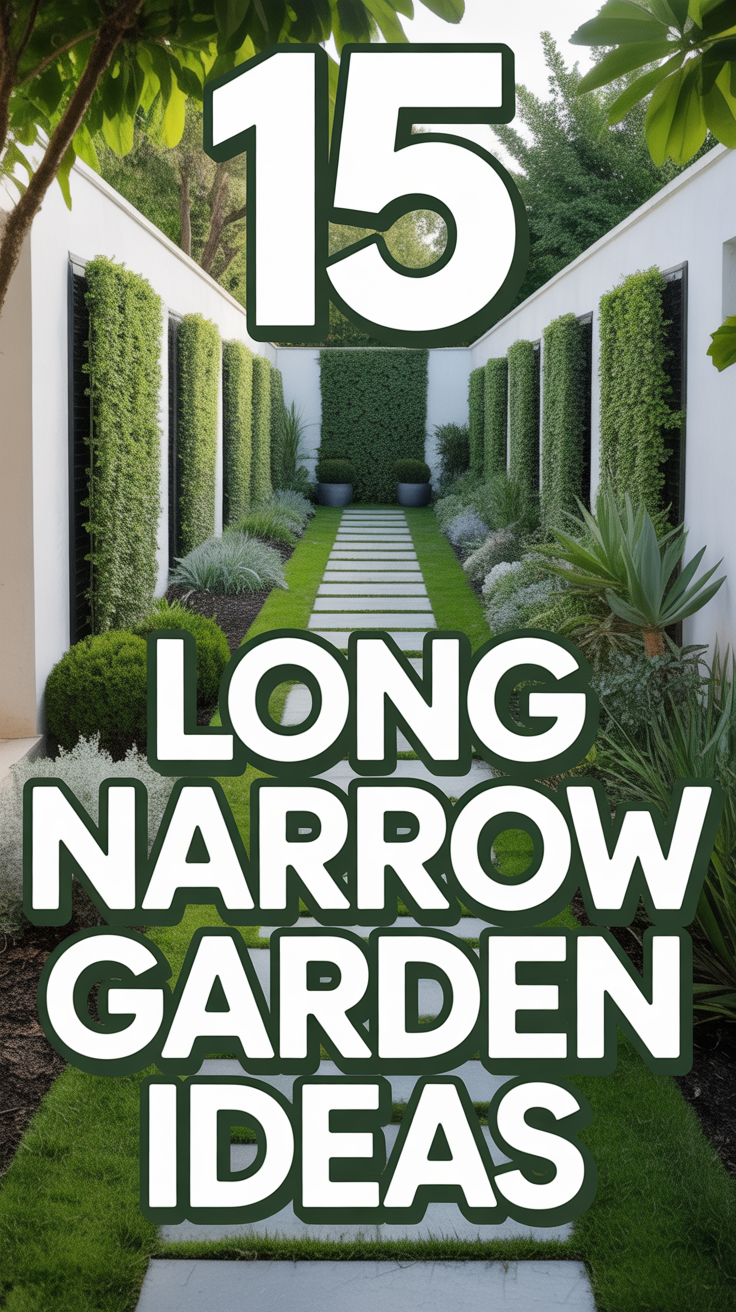
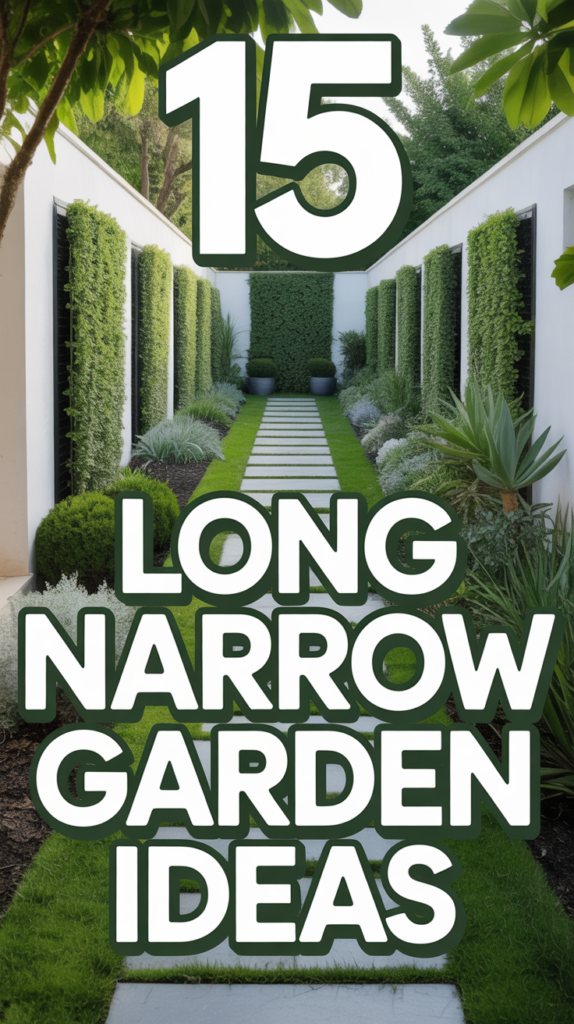
Okay, real talk. You’ve got a garden plot that looks less like a lush oasis and more like a botanical bowling alley. A long, skinny strip of land can feel like a design challenge from the gardening gods, right? But guess what, my friend? That “awkward” space is actually a secret weapon for creating something super stylish and totally unique. Think of it as your personal runway for plants.
Forget feeling restricted. We’re about to turn that linear landscape into a masterpiece. You’ll be tricking the eye, creating depth, and basically becoming a garden wizard. Ready to make your neighbors green with envy (and not just from your plants)? Let’s dive into some seriously clever ways to make that narrow garden sing.
1. Create Zones with Purpose
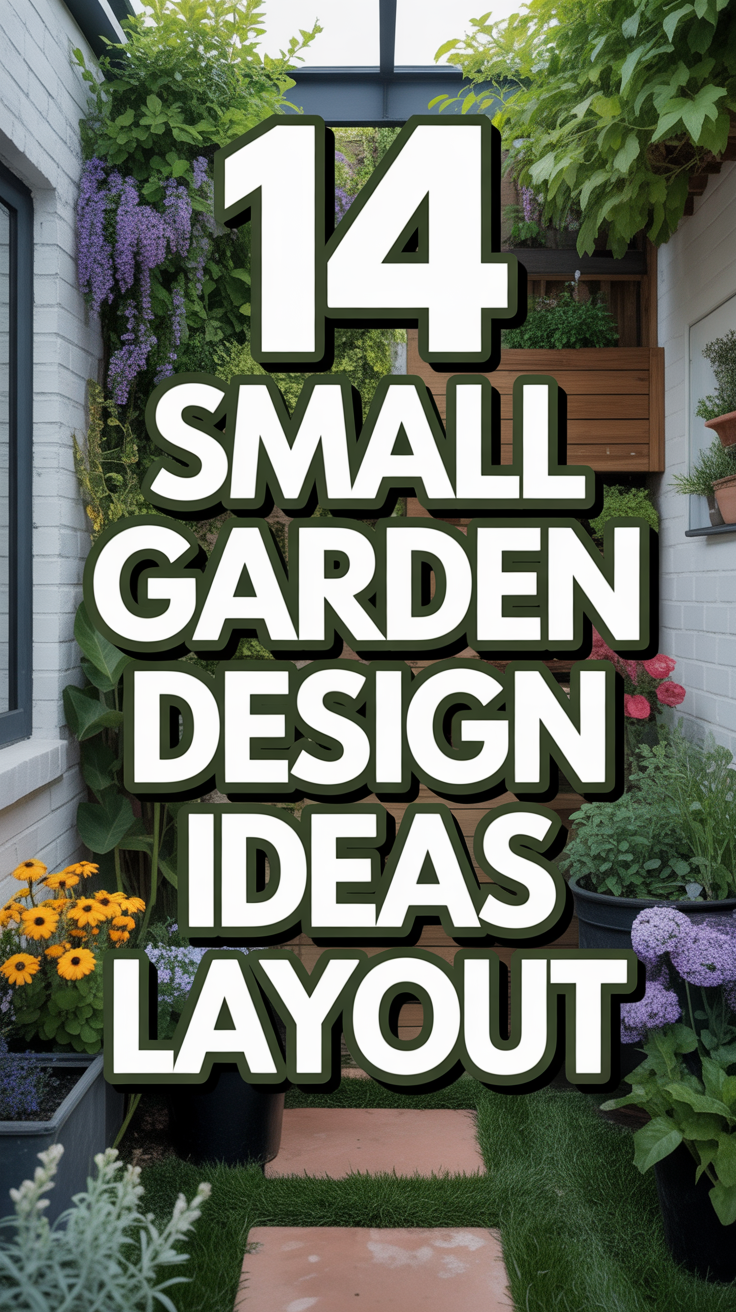
Don’t just line things up like soldiers! Break that long space into smaller, distinct “rooms” or zones. Imagine a cozy reading nook, then a vibrant dining area, followed by a quiet reflection spot. This instantly makes the garden feel wider and more inviting.
Pro tip: Use different paving materials or low dividers like gabion baskets or small hedges to define each zone. It’s like having multiple mini-gardens in one, which is just brilliant.
This trick eliminates the “tunnel vision” effect and makes every step an exploration.
2. Embrace Diagonal Paths
A straight path screams “I am long and narrow!” So, don’t do that. Lay your path on a diagonal from one corner to another. This simple visual trick makes the journey feel longer and the space appear wider, magically expanding your garden’s perceived dimensions.
Pro tip: Incorporate planting beds that follow the diagonal lines of your path. It creates a cohesive, flowing design that’s anything but linear.
It’s like giving your garden a little optical illusion, and who doesn’t love a good magic trick?
3. Play with Varying Heights
Flat gardens are, well, flat. Introduce different levels to add drama and interest. Think raised beds, tiered planters, or even a small retaining wall that allows for planting on different levels. This adds depth and draws the eye up and down, not just side to side.
Pro tip: Use taller plants or small trees towards the back and shorter, sprawling plants in the foreground. It’s all about perspective, darling.
Verticality is your friend when horizontal space is limited; it practically adds square footage!
4. Use Mirrors for Illusion
This one is pure genius. Hang outdoor-safe mirrors on a fence or wall, strategically placed to reflect a lush planting bed or a charming feature. It instantly doubles the perceived width of your garden and bounces light around.
Pro tip: Opt for antique-style or framed mirrors to make them look like windows into another garden. Avoid placing them where they reflect something boring, like your neighbor’s bin.
It’s like having a secret garden portal, without actually needing to find Narnia.
5. Create a Winding or Curved Path
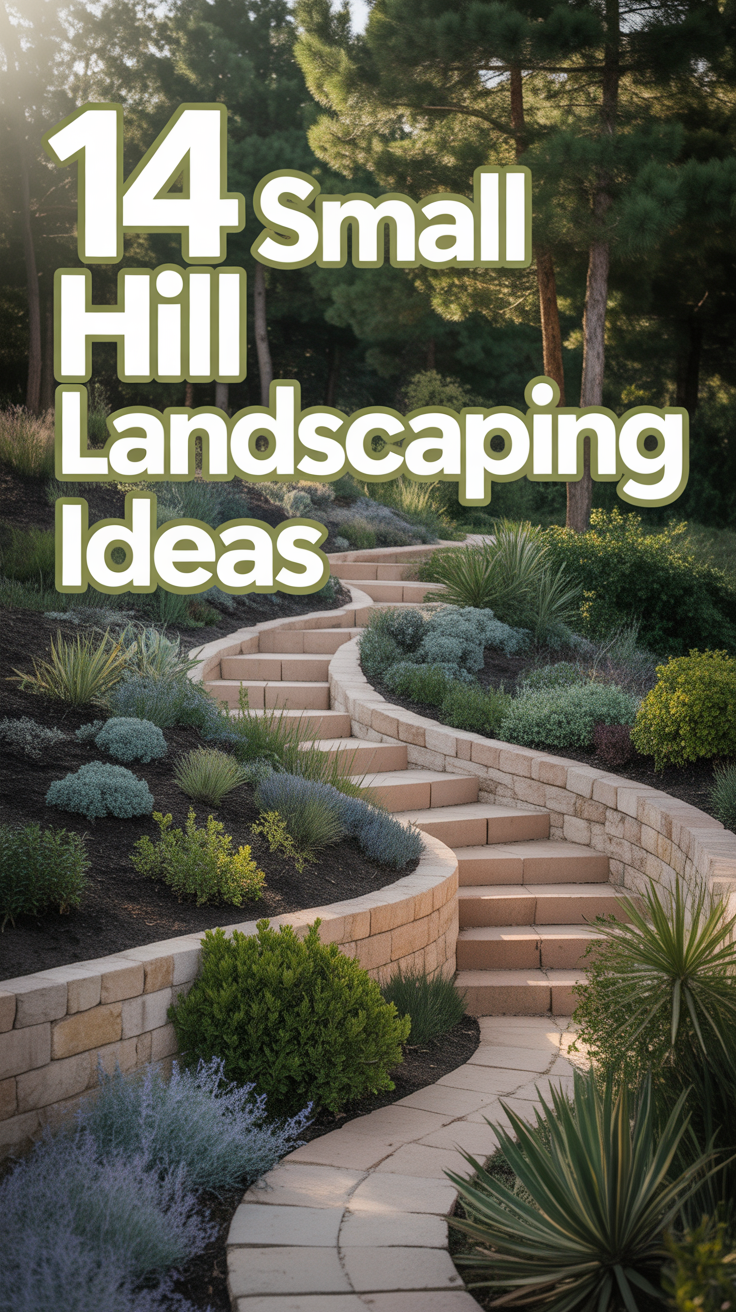
Instead of a straight shot, design a path that gently curves or meanders. This forces the eye to follow the curve, slowing down the journey and making the garden feel much more expansive than it actually is. It adds a sense of mystery, too.
Pro tip: Edge your path with soft, flowing plants that spill over the edges, enhancing the natural, organic feel. Think lavender or creeping thyme.
A little mystery and a longer stroll? Yes, please.
6. Plant in Drifts and Groups
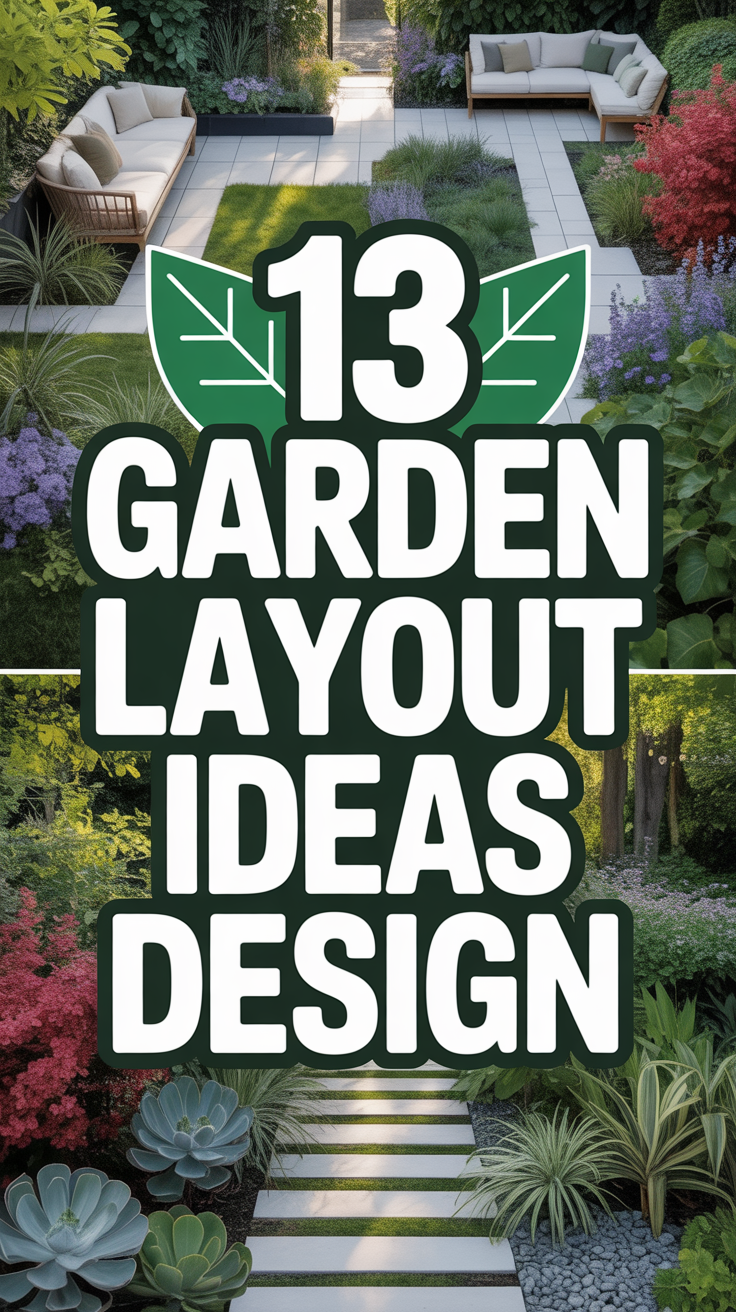
Resist the urge to plant single specimens in a straight line. Instead, plant groups of the same plant in irregular, organic-shaped drifts. This creates visual weight and makes the garden feel fuller and more luxurious, distracting from its narrowness.
Pro tip: Choose plants with contrasting textures and foliage colors within your drifts for maximum impact. Think big hosta leaves next to delicate ferns.
It’s about creating a tapestry, not a parade line.
7. Install a Striking Focal Point
Draw the eye to a specific, beautiful feature at the far end of your garden. This could be a stunning sculpture, a water feature, a colorful bench, or even a magnificent specimen tree. It gives the eye a destination and pulls you through the space.
Pro tip: Ensure the focal point is proportionate to the space – you don’t want a tiny bird bath getting lost or a giant statue overwhelming everything.
Give your garden a grand finale, and make the journey there worth it.
8. Vertical Gardening Wonders
When you can’t go wide, go up! Living walls, trellises covered in climbers, vertical planters, and hanging baskets are your best friends. These add lushness and interest without taking up precious ground space, effectively widening your garden’s “visual” footprint.
Pro tip: Mix edible plants like strawberries and herbs with ornamental flowers in your vertical displays for both beauty and bounty.
Think of it as adding extra floors to your garden skyscraper.
9. Light it Up Strategically
Thoughtful lighting can transform a narrow garden after dark. Use pathway lights to define your winding paths, spotlights to highlight a focal point, and uplights to illuminate interesting foliage or a feature wall. This creates depth and extends your garden’s usability.
Pro tip: Place lights to graze walls or fences, creating interesting shadow play that adds texture and intrigue.
Your narrow garden becomes a magical wonderland once the sun goes down.
10. Use Large, Bold Planters
Instead of many small pots, opt for a few large, substantial planters. These create visual anchors and give the impression of a more generous space. They also allow you to move plants around easily for seasonal changes or if you just fancy a refresh.
Pro tip: Choose planters in varying heights and materials to add an extra layer of visual interest and break up the linearity.
Go big or go home, especially when it comes to pots.
11. Create a Sense of Enclosure
While counter-intuitive, sometimes creating a cozy, enclosed feeling with pergolas, arbors, or lush planting can make a narrow garden feel more like an intimate retreat than a corridor. It’s about designing a destination, not just a pass-through.
Pro tip: Train fragrant climbers like jasmine or honeysuckle over an arbor for an immersive sensory experience. Instant garden hug.
Who doesn’t love a secret hideaway, even if it’s just a few feet wide?
12. Vary Plant Textures and Colors
A mix of fine, feathery foliage next to bold, architectural leaves creates dynamic contrast and makes the garden feel more complex and interesting. Similarly, using a diverse color palette draws the eye to different areas, preventing a monotonous look.
Pro tip: Place plants with finer textures and lighter colors at the far end to create a sense of distance, while bolder, darker plants are closer to the viewer.
It’s like painting with plants – give them all their moment to shine.
13. Incorporate Water Features
The sound of trickling water is incredibly soothing and distracts from any spatial limitations. A narrow wall-mounted fountain or a small self-contained pond can add immense charm and auditory interest, making the garden feel more luxurious and complete.
Pro tip: Choose a water feature that complements your garden’s style – sleek modern for contemporary, rustic stone for a natural vibe.
Sound is a powerful design tool; let your garden whisper sweet nothings.
14. Design with Asymmetry
Symmetry often emphasizes length. Embrace asymmetry! Place elements off-center, vary your planting beds from side to side, and create unexpected vignettes. This keeps the eye moving and prevents the garden from feeling like a perfectly straight tunnel.
Pro tip: Think of it like composing a photograph – balance elements without making them mirror images. It’s more natural and dynamic.
Perfection is overrated; a little controlled chaos is way more interesting.
15. Install a Feature Wall or Mural
If you have a long, boring fence or wall, transform it into a piece of art! A painted mural, a collection of interesting outdoor art, or even a textured wall covering can become a stunning backdrop. This adds personality and depth, making the boundary feel less like a barrier.
Pro tip: Use weather-resistant materials and choose colors that complement your planting scheme. A bright pop of color can work wonders.
Turn a dull boundary into a statement piece. Your garden deserves it!
🪴 The Plant Parent Oasis Build
Taking your indoor jungle or backyard patio to the next level requires more than just water and sunlight. These 5 aesthetic and highly functional accessories are what interior designers and green-thumb experts use to help plants thrive while looking visually stunning.
💡 SANSI Full Spectrum LED Grow Light Bulb
The secret to keeping monsteras and fiddle leaf figs exploding with new growth even in dark apartments. These powerful LED bulbs fit into standard decorative lamps, providing intense, natural daylight mimicry without the ugly purple hue of cheap grow lights.
🌳 Planters' Choice Bonsai Starter Kit
A beautiful introduction to the art of bonsai. This wildly popular kit comes with everything you need—seeds, soil pucks, clippers, and biodegradable pots—to grow four different types of miniature trees from scratch. It's a deeply rewarding and meditative project.
🪵 Elevated Cedar Raised Garden Bed
The perfect solution for growing fresh herbs and tomatoes on a patio or balcony. Standing waist-high, it completely eliminates the need for bending and weeding, while the beautiful, rot-resistant cedar construction instantly upgrades the look of any outdoor space.
✨ Vintage Brass Glass Plant Mister
Tropical plants like ferns and calatheas desperately need humidity, but you don't have to use an ugly plastic spray bottle. This gorgeous, vintage-inspired glass mister delivers a fine fog to keep leaves healthy, and it looks beautiful displayed on a shelf among your pots.
🏺 Terracotta Self-Watering Spikes
Never come home from a vacation to dead, crispy plants again. Simply push these porous terracotta spikes into the soil and insert any recycled glass bottle filled with water. The clay automatically releases moisture at the exact rate the soil dries out!
Conclusion
So there you have it, my friend! Your long, narrow garden is no longer a design dilemma but a canvas just begging for some creative flair. By using these clever tricks – from winding paths to mirror magic and vertical wonders – you’re not just planting; you’re creating an experience. Go forth and transform that skinny strip into a lush, stylish haven that feels way bigger (and way cooler) than it actually is. Your garden (and your Instagram feed) will thank you!