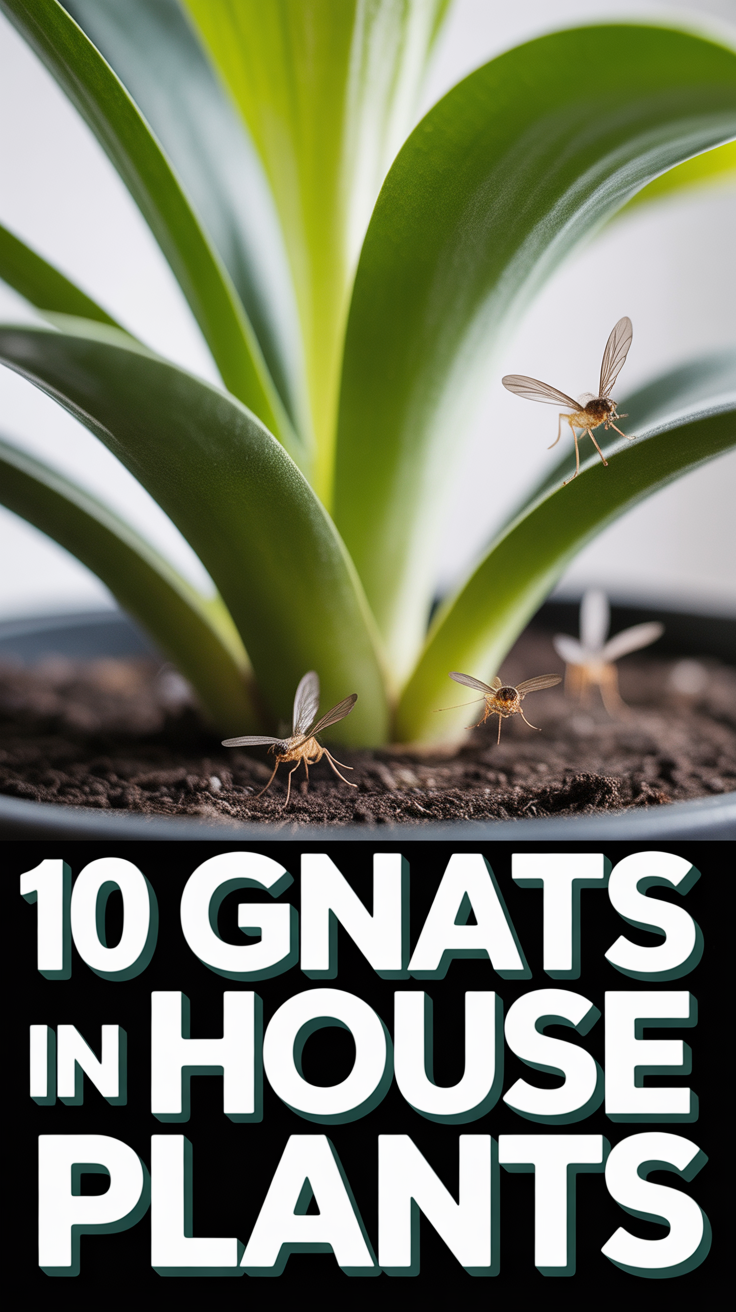
🐧 10 Gnats In House Plants
Okay, real talk. You’ve got your plant babies thriving, looking all lush and green, then BAM! A tiny, annoying cloud of gnats decides to throw a party in your living room. Seriously, who invited these guys? It’s like they heard “indoor jungle” and thought “free buffet.” Don’t even get me started on how they humble you right when you’re feeling like a plant whisperer. But fear not, fellow green thumb. We’re about to evict these unwelcome guests, no drama required.
1. Embrace the Drought
Gnats are basically moisture fiends, thriving in consistently damp soil. If you’re watering like it’s a daily ritual, you’re practically rolling out the red carpet for them. Let that top inch or two of soil get bone dry between waterings.
Pro tip: Stick your finger deep into the soil. If it’s still damp, back away from the watering can. You’re starving those little larvae right out of house and home.
This simple trick breaks their lifecycle, making your plant less of a five-star resort for tiny pests.
2. Dive into Bottom Watering
Since gnats love hanging out in the top layer of soil to lay their eggs, let’s just cut off their access. Bottom watering means your plant sips water from the drainage holes, leaving the surface nice and dry.
Place your plant pot in a tray of water for 20-30 minutes, letting it absorb what it needs. Pro tip: Don’t leave it soaking indefinitely; nobody wants root rot AND gnats.
This method keeps the topsoil inhospitable for egg-laying, effectively shutting down their nursery.
3. Deploy Sticky Traps
These bright yellow sticky papers are like the ultimate bouncer for your plant party. Adult gnats, attracted to the color, land on them and get stuck. It’s not pretty, but it’s effective for catching the grown-ups.
Pop a few yellow sticky traps right into the soil or hang them near affected plants. Pro tip: Don’t be shy; the more, the merrier for maximum gnat-catching action.
You’ll quickly see how many adults you’re dealing with, reducing the future population significantly.
4. Craft a DIY Apple Cider Vinegar Trap
Who knew your kitchen pantry held a secret weapon against these tiny terrors? Gnats are weirdly attracted to the fermentation smell of apple cider vinegar. This trap is super easy to set up.
Mix a few tablespoons of apple cider vinegar with a drop of dish soap in a small bowl. Cover it loosely with plastic wrap, poke a few holes, and watch the magic happen. Pro tip: Place these near your worst-hit plants for prime trapping.
The gnats fly in, can’t resist the smell, and the soap breaks the surface tension, sending them to a watery grave.
5. Unleash the Power of Neem Oil
Neem oil is basically nature’s pesticide, and it’s a total game-changer for gnat control. It works by messing with their hormones and feeding habits, making them less enthusiastic about reproducing.
Dilute cold-pressed neem oil with water and a tiny bit of dish soap (emulsifier is key!). Use it as a soil drench or a foliar spray. Pro tip: Apply it consistently for a few weeks to really break their lifecycle.
This organic solution tackles both adult gnats and their larvae, giving them a serious eviction notice.
6. Hydrogen Peroxide Drench
Feeling a bit more aggressive? Hydrogen peroxide is your secret weapon. It oxygenates the soil, which is great for roots, but utterly deadly for gnat larvae. They simply can’t handle the fizz.
Mix one part 3% hydrogen peroxide with four parts water. Drench your soil with this solution until it runs out the bottom. Pro tip: Watch it fizz! That’s the peroxide doing its work on those unwelcome larva.
This treatment effectively wipes out the gnat population where they start, preventing future generations.
7. Invite Beneficial Nematodes
Okay, this sounds wild, but hear me out. Nematodes are microscopic worms that are natural predators to gnat larvae. They’re like tiny, invisible bouncers for your soil, completely harmless to plants and pets.
You can buy these beneficial nematodes online or at garden centers. Just mix them with water and apply as a soil drench. Pro tip: Follow the package instructions carefully for the best results; they’re living organisms!
These little guys patrol your soil, eliminating larvae before they ever get a chance to fly around and annoy you.
8. Top with Sand or Decorative Gravel
Remember how gnats love to lay eggs in the top inch of moist soil? Let’s put a physical barrier in their way. A thick layer of sand or decorative gravel makes it impossible for them to access that prime real estate.
Add about an inch or two of horticultural sand or decorative gravel to the top of your soil. Pro tip: Make sure the layer is dense enough that they can’t burrow through it.
This simple physical barrier stops the breeding cycle dead in its tracks, no fancy chemicals required.
9. Repot with Fresh Soil
Sometimes, your soil is just too far gone, a veritable gnat nursery. If you’ve tried everything else and they’re still throwing parties, it might be time for a fresh start. Out with the old, in with the new!
Gently remove your plant, shake off as much old soil as possible, and repot it into fresh, sterile potting mix. Pro tip: Make sure your new soil is specifically designed for indoor plants and doesn’t contain any weird organic matter that attracts pests.
This extreme measure guarantees you’re starting with a clean slate, free from any existing gnat eggs or larvae.
10. Optimize Drainage and Airflow
Prevention is always better than cure, right? Ensuring your pots have adequate drainage and your plants have good airflow makes your environment less appealing to gnats in the first place. Stagnant, soggy conditions are their jam.
Always use pots with drainage holes and consider adding a layer of perlite to your soil mix for better aeration. Pro tip: Don’t overcrowd your plants; give them space to breathe and allow air to circulate around the soil surface.
A well-drained, airy environment naturally deters gnats, making your home a less inviting spot for them to set up camp.
Conclusion
So there you have it, folks. Ten ways to tell those tiny, uninvited houseguests to hit the road. No need to throw out your beloved plant babies just because a few gnats decided to squat. With a little strategic thinking and a dash of sass, you’ll have your indoor jungle looking pristine and pest-free again.
Go forth and conquer those gnats. Your plants (and your sanity) will totally thank you for it!