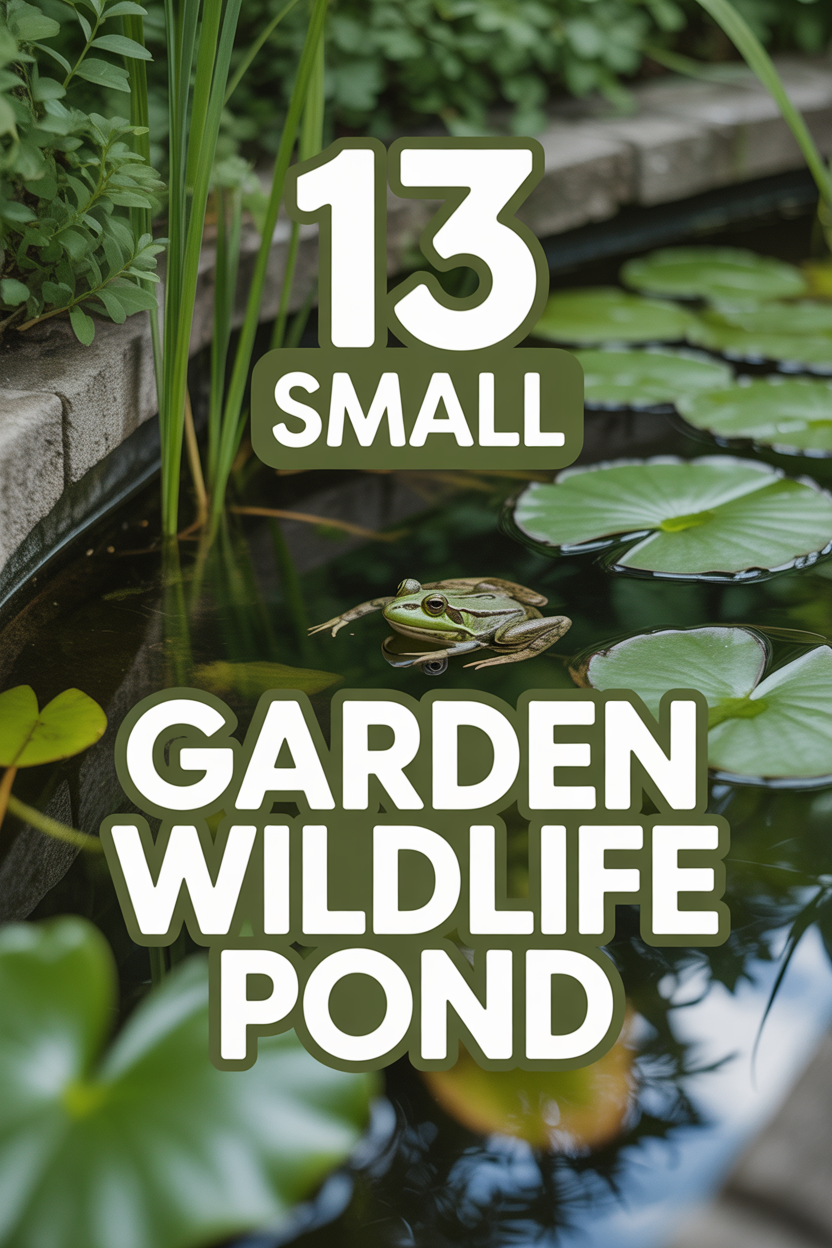
🐸 13 Small Garden Wildlife Pond
👩🌾 The Master Gardener's Starter Kit
Having a healthy, thriving garden is ten times easier when you aren't fighting with cheap tools. These are the 5 rugged, reliable gardening essentials that experienced landscapers and passionate home gardeners swear by to save time, protect their joints, and get better yields.
✂️ Felco F-2 Classic Manual Pruners
The legendary "buy it for life" pruning shears. Cheap pruners crush stems and spread disease, but these Swiss-made, razor-sharp bypass pruners slice cleanly through thick branches and rose bushes effortlessly. Every single part is replaceable, making it a true lifetime investment.
💧 XLUX Soil Moisture Meter
Overwatering is the number one reason plants die. This simple, battery-free probe completely removes the guesswork from your watering schedule. Just stick it in the soil at root level to instantly know exactly when your veggies, flowers, or houseplants are actually thirsty.
🐍 Flexzilla Heavy Duty Garden Hose
Stop wrestling with stiff, heavy rubber hoses that pinch and cut off water flow. This incredibly lightweight, high-visibility green hose lays completely flat, never kinks under pressure, and is surprisingly easy to coil back up—even in freezing weather.
🧘♀️ Extra Thick High-Density Kneeling Pad
Gardening shouldn't mean suffering joint pain for three days afterward. This ultra-thick, water-resistant foam pad absorbs rocks, roots, and uneven ground, protecting your knees whether you're pulling weeds for five minutes or planting bulbs all afternoon.
🧤 Pine Tree Tools Bamboo Garden Gloves
Finally, a glove that protects hands without making you lose your dexterity. These breathable bamboo-fiber gloves fit like a second skin, allowing you to handle delicate seedlings or grip muddy tools securely while keeping dirt from packing under your fingernails.
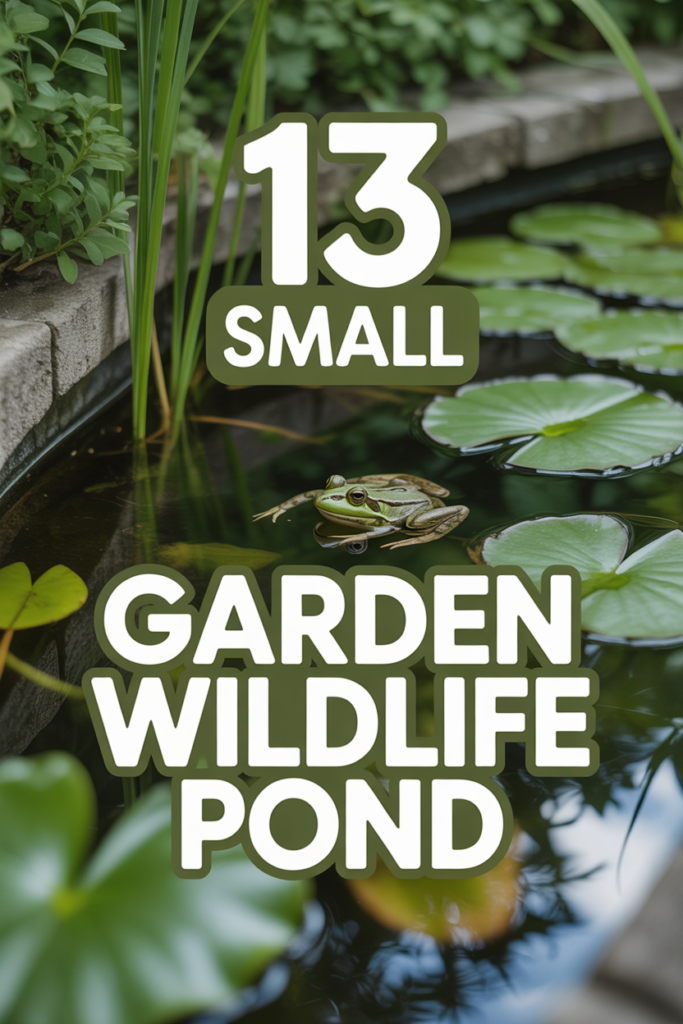
Ever looked at your backyard and thought, “You know what this place needs? More drama. More tiny aquatic creatures living their best lives.” Well, my friend, you’re in luck! A small garden wildlife pond isn’t just a pretty water feature; it’s a five-star hotel for local critters, and honestly, way easier to build than you think. Ditch the idea of a massive excavation; we’re talking mini-ecosystem magic here. Get ready to embrace your inner nature enthusiast with a splash!
1. Location, Location, Location
Don’t just plonk your future aquatic paradise anywhere. The sweet spot for a wildlife pond is somewhere that gets a good mix of sun and shade throughout the day, ideally around six hours of sun. This helps keep algae in check (nobody wants a green soup) and prevents overheating.
Pro tip: Avoid placing it directly under big trees. Those falling leaves are a nightmare for pond maintenance, and roots can cause havoc with liners. A well-chosen spot makes all the difference for both you and your future pond residents.
2. The Container Conundrum
You absolutely do not need a digger and a construction crew for this. We’re talking small here, remember? An old Belfast sink, a half-barrel, a sturdy plastic tub, or even a pre-formed pond liner tucked into the ground works wonders. Get creative with what you have!
Pro tip: Whatever you choose, make sure it’s watertight and, super important, free from any toxic chemicals or previous contents. Your pond’s future inhabitants will thank you.
3. Depth Perception
It’s not one-size-fits-all in the pond world. Varying depths are key to attracting a diverse range of creatures. Think shallow shelves for marginal plants and critters to sunbathe, and a deeper section (even just 60cm) for creatures to overwinter safely.
Pro tip: Aim for at least 60cm (2 feet) in one spot if you can. This depth helps stabilize water temperature and offers refuge during extreme weather. More levels equal more fun for everyone involved.
4. Ramps for the Rescue
Nobody wants a drowned bee or a struggling hedgehog. Seriously, it’s a buzzkill. Providing easy escape routes is non-negotiable. Think gently sloping edges, strategically placed stones, or a log that dips into the water.
Pro tip: Create a “beach” of pebbles or a submerged branch for easy access. Even a rough piece of wood leaning into the pond can be a lifesaver for small visitors. Be a hero for tiny creatures.
5. Plant Power
Plants are the real MVP of a pond, not just for aesthetics but for the entire ecosystem. You’ll want a mix: oxygenators (submerged plants that keep the water healthy), marginals (plants that love wet feet at the edges), and a few floaters (for surface cover and shade).
Pro tip: Choose native plants specific to your region. They’re ecosystem powerhouses, providing the best food and shelter for local wildlife. They clean the water, give shelter, and look gorgeous doing it.
6. Substrate Secrets
Don’t leave the bottom of your pond bare; it’s just rude. A layer of gravel, sand, or small pebbles at the bottom provides essential surface area for beneficial bacteria to colonize. These tiny workers help keep the water clean and balanced.
Pro tip: Rinse your substrate thoroughly before adding it to avoid murky water and introducing excess nutrients that can fuel algae growth. It creates a natural feel and a thriving micro-habitat.
7. Rainwater Rhapsody
Tap water is a no-go, usually. It often contains chlorine and other chemicals that are harmful to delicate pond life and can mess with the natural balance. Rainwater, however, is pure gold for your pond.
Pro tip: Collect rainwater in a water butt. It’s free, chemical-free, and your pond will absolutely thrive on it. Healthier environment for your new aquatic residents, without the chemical cocktail.
8. Patience, Grasshopper
This isn’t an instant ramen kind of project. You need to let the pond establish itself. It takes weeks, sometimes even months, for the ecosystem to balance, for beneficial bacteria to grow, and for plants to settle in.
Pro tip: Resist the urge to add critters immediately. Let the plants grow, allow the bacteria to colonize, and watch the natural process unfold. Good things come to those who wait, especially good pond ecosystems.
9. No Fishy Business
Goldfish are cute, we get it, but maybe not for this pond. Fish, even small ones, can decimate tadpole populations, eat insect larvae, and compete for resources with the very wildlife you’re trying to attract.
Pro tip: If you absolutely must have fish, stick to small, native species (if appropriate for your region) that won’t destroy the natural balance. But truly, try no fish. Let the natural food web do its thing.
10. Rock Solid Edges
Make it look like it belongs in your garden, not like a forgotten plastic tub. Use stones, pebbles, or logs around the edges to hide liners and create natural-looking nooks and crannies. These spots are perfect for hiding, basking, and exploring.
Pro tip: Vary the size and shape of your rocks for a more natural aesthetic and to create even more diverse hiding spots for critters. This blends your pond seamlessly into the garden, making it an inviting spot.
11. Log It On
Deadwood is surprisingly alive with possibilities. Add a partially submerged log or a few branches to your pond. They provide perching spots for dragonflies, basking platforms for frogs, and shelter for insects.
Pro tip: Make sure the wood is untreated and from a non-toxic tree. Give it a good scrub first to remove any loose debris. Instant micro-habitat and a cool rustic vibe, all in one go.
12. The Bug Buffet
Attract the good guys! A diverse range of plants, especially native ones, will naturally attract a variety of insects. These insects then become a vital food source for other pond creatures, creating a buzzing ecosystem.
Pro tip: Avoid pesticides in your garden. Your pond and the surrounding area will become a refuge for beneficial insects, which in turn feed the frogs, newts, and birds. It’s all about the food chain, baby.
13. Winter Wonderland Prep
Don’t let your pond freeze solid, trapping gases and potentially harming overwintering creatures. Keep a small area ice-free with a floating ball or by gently melting a hole (never smash ice, as the shockwaves can harm pond life).
Pro tip: A deeper spot (at least 60cm) helps aquatic life survive under the ice. Also, remove excessive dead leaves in autumn to prevent toxic gas build-up as they decompose. Your pond will thank you with thriving life next spring.
🪴 The Plant Parent Oasis Build
Taking your indoor jungle or backyard patio to the next level requires more than just water and sunlight. These 5 aesthetic and highly functional accessories are what interior designers and green-thumb experts use to help plants thrive while looking visually stunning.
💡 SANSI Full Spectrum LED Grow Light Bulb
The secret to keeping monsteras and fiddle leaf figs exploding with new growth even in dark apartments. These powerful LED bulbs fit into standard decorative lamps, providing intense, natural daylight mimicry without the ugly purple hue of cheap grow lights.
🌳 Planters' Choice Bonsai Starter Kit
A beautiful introduction to the art of bonsai. This wildly popular kit comes with everything you need—seeds, soil pucks, clippers, and biodegradable pots—to grow four different types of miniature trees from scratch. It's a deeply rewarding and meditative project.
🪵 Elevated Cedar Raised Garden Bed
The perfect solution for growing fresh herbs and tomatoes on a patio or balcony. Standing waist-high, it completely eliminates the need for bending and weeding, while the beautiful, rot-resistant cedar construction instantly upgrades the look of any outdoor space.
✨ Vintage Brass Glass Plant Mister
Tropical plants like ferns and calatheas desperately need humidity, but you don't have to use an ugly plastic spray bottle. This gorgeous, vintage-inspired glass mister delivers a fine fog to keep leaves healthy, and it looks beautiful displayed on a shelf among your pots.
🏺 Terracotta Self-Watering Spikes
Never come home from a vacation to dead, crispy plants again. Simply push these porous terracotta spikes into the soil and insert any recycled glass bottle filled with water. The clay automatically releases moisture at the exact rate the soil dries out!
Conclusion
So there you have it, folks! Thirteen ridiculously easy ways to turn a forgotten corner of your garden into a buzzing, croaking, splashing wonderland. You’re not just building a pond; you’re creating a sanctuary, a tiny ecosystem, and let’s be real, a pretty cool conversation starter. Go forth and get muddy; your local wildlife (and your soul) will absolutely adore you for it.