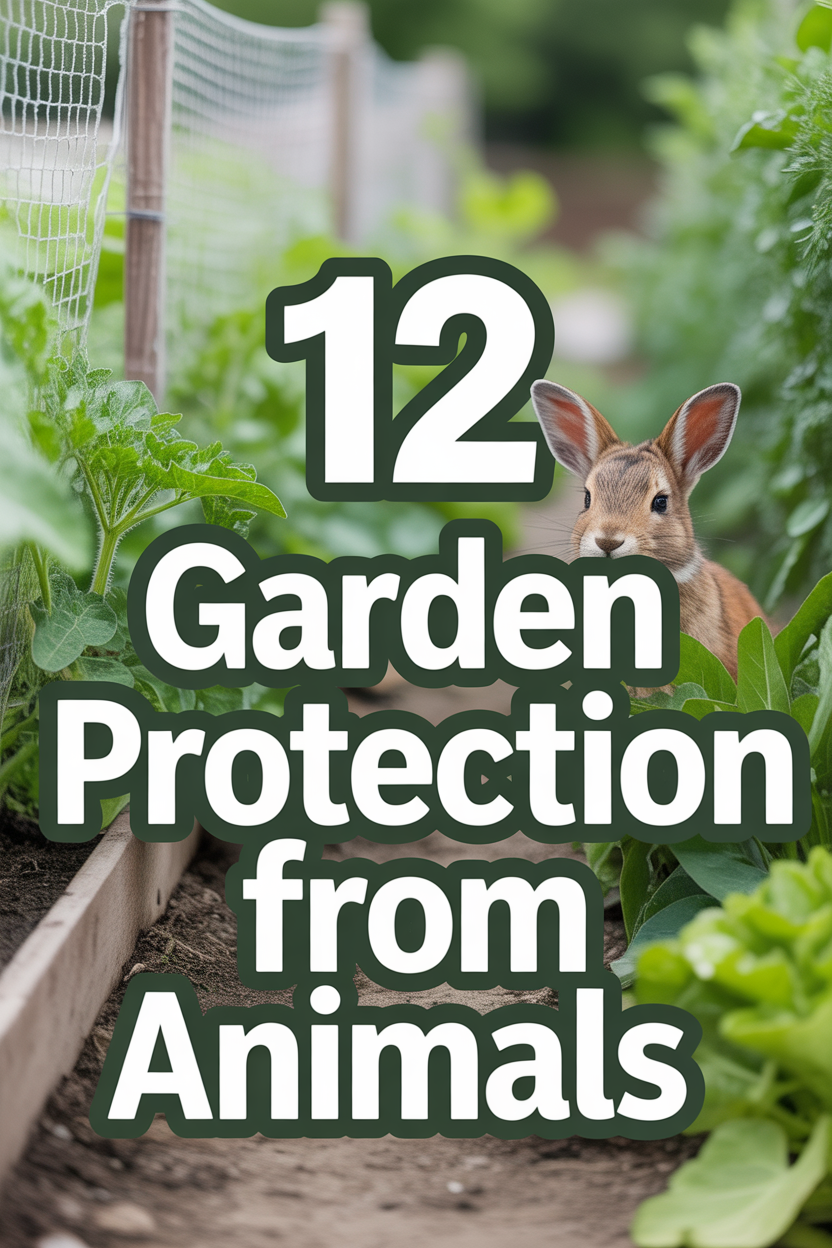
🐾 12 Garden Protection From Animals
👩🌾 The Master Gardener's Starter Kit
Having a healthy, thriving garden is ten times easier when you aren't fighting with cheap tools. These are the 5 rugged, reliable gardening essentials that experienced landscapers and passionate home gardeners swear by to save time, protect their joints, and get better yields.
✂️ Felco F-2 Classic Manual Pruners
The legendary "buy it for life" pruning shears. Cheap pruners crush stems and spread disease, but these Swiss-made, razor-sharp bypass pruners slice cleanly through thick branches and rose bushes effortlessly. Every single part is replaceable, making it a true lifetime investment.
💧 XLUX Soil Moisture Meter
Overwatering is the number one reason plants die. This simple, battery-free probe completely removes the guesswork from your watering schedule. Just stick it in the soil at root level to instantly know exactly when your veggies, flowers, or houseplants are actually thirsty.
🐍 Flexzilla Heavy Duty Garden Hose
Stop wrestling with stiff, heavy rubber hoses that pinch and cut off water flow. This incredibly lightweight, high-visibility green hose lays completely flat, never kinks under pressure, and is surprisingly easy to coil back up—even in freezing weather.
🧘♀️ Extra Thick High-Density Kneeling Pad
Gardening shouldn't mean suffering joint pain for three days afterward. This ultra-thick, water-resistant foam pad absorbs rocks, roots, and uneven ground, protecting your knees whether you're pulling weeds for five minutes or planting bulbs all afternoon.
🧤 Pine Tree Tools Bamboo Garden Gloves
Finally, a glove that protects hands without making you lose your dexterity. These breathable bamboo-fiber gloves fit like a second skin, allowing you to handle delicate seedlings or grip muddy tools securely while keeping dirt from packing under your fingernails.
Alright, garden gurus! You’ve poured your heart, soul, and probably a few tears into cultivating your perfect patch. Then, bam! Some furry or feathered freeloaders decide your hard work is their personal buffet. Rude, right? Don’t even get us started on the audacity. But fear not, because we’re here to arm you with the ultimate playbook to keep those garden invaders guessing. Let’s make your greens utterly unappetizing to the local wildlife.
1. Build a Mighty Fence
Let’s be real, sometimes you just need a wall. A physical barrier is often your best bet against bigger garden gourmands like deer and rabbits. Think about the height you need for jumpers and the mesh size for smaller critters.
You want to pick a fence that’s tall enough to deter deer (we’re talking at least 8 feet) and buried deep enough to stop burrowers. A little trench digging now saves a lot of heartache later. Make sure you secure the bottom firmly.
Pro tip: Bury the bottom few inches of your fence to deter diggers; those little rascals are clever. A good fence is your first line of defense, literally.
2. Deploy Motion-Activated Sprinklers
Nothing says “stay away” quite like an unexpected shower. These clever gadgets use a sensor to detect movement, then blast a sudden, harmless jet of water. It’s startling, effective, and quite hilarious to watch.
These are fantastic for scaring off pretty much anything that moves: deer, raccoons, even those pesky neighborhood cats. They learn quickly that your garden is a no-fun zone. Plus, your plants get a little extra hydration, win-win!
Pro tip: Position them strategically to cover entry points. It’s like having a tiny, vigilant bodyguard for your lettuce patch.
3. Embrace Stinky Repellents
Animals have super sniffers, so let’s use that against them. Many natural scents are offensive to pests but harmless to your plants and pets. Think of it as a bad perfume for pests.
Scatter things like coffee grounds, garlic cloves, or even dried hot pepper flakes around the perimeter. You can also mix up a spray with diluted hot sauce and a little dish soap. They really hate that spicy kick!
Pro tip: Reapply these after rain or heavy watering, because even critters need a fresh spritz to get the message.
4. Net Your Precious Plants
For your berry bushes, fruit trees, and anything birds find irresistible, netting is your best friend. It’s like putting a personal force field around your produce.
Drape fine mesh netting over your plants or construct simple frames to support it. This creates a physical barrier that birds, squirrels, and even larger insects can’t penetrate. No more sharing your hard-earned harvest!
Pro tip: Make sure the netting is taut and secured at the bottom so no sneaky critters can squeeze underneath. Otherwise, you’ll just be trapping them inside your snack bar.
5. Consider Companion Planting
Some plants are natural bodyguards for others. Planting specific herbs and flowers can actually deter pests with their strong scents or unpleasant taste. It’s nature’s own security system.
Try planting marigolds, garlic, or onions around your vulnerable veggies. They release compounds that many animals find off-putting. Plus, your garden will look and smell amazing (to you, anyway!).
Pro tip: Research which companion plants work best for your specific garden invaders. It’s like assembling a dream team of plant protectors.
6. Get Reflective and Shiny
Birds, in particular, get spooked by sudden flashes of light. Harness this aversion with some clever, sparkly additions to your garden. It’s cheap, cheerful, and surprisingly effective.
Hang old CDs, strips of aluminum foil, or specialized reflective tape from branches or stakes. The movement and glinting light create an unpredictable environment that birds usually want to avoid. Your garden will look like a disco party, but a safe one.
Pro tip: Change the placement periodically so the birds don’t get too comfortable with the shiny distractions. Keep them on their feathered toes!
7. Clean Up Your Act
A messy garden is an open invitation to every critter looking for a free meal or a cozy hideout. Good garden hygiene goes a long way in deterring unwanted guests.
Regularly remove fallen fruit, vegetables, and any plant debris. These attract rodents and other scavengers. Keep your compost pile contained and away from your main garden area. Less food means fewer visitors.
Pro tip: Harvest ripe produce promptly. Don’t leave those juicy tomatoes begging to be picked (by you, not a squirrel). It’s all about making your garden less appealing as a wild buffet.
8. Introduce Decoys
Sometimes, a good bluff is all you need. Predator decoys, like plastic owls or snakes, can make smaller animals think twice before waltzing into your garden. It’s like having a silent, unmoving bouncer.
Place a realistic-looking plastic owl on a tall stake or a rubber snake near your plants. Birds and rodents might mistake them for actual predators and steer clear. They’re not going to stick around for a closer look.
Pro tip: Move your decoys around every few days. Animals are smarter than they look and will figure out if your “predator” never moves. Keep them guessing!
9. Elevate Your Beds
Raised garden beds aren’t just for aesthetics; they’re also a fantastic defense mechanism against ground-dwelling critters. It’s harder for them to access your goodies when they’re literally on a pedestal.
Building raised beds puts your plants out of easy reach for rabbits, voles, and other low-to-the-ground munchers. You can also add wire mesh to the bottom of your raised beds to prevent burrowing from below. Think of it as a fortified castle for your carrots.
Pro tip: Make sure your raised beds are high enough to make access genuinely difficult. A mere few inches won’t cut it for a determined bunny.
10. Use Ultrasonic Devices
These gadgets emit high-frequency sound waves that are annoying to many animals but usually inaudible to humans. It’s like a secret sonic force field for your garden.
Plug these into your outdoor outlets or use solar-powered versions. They can deter rodents, deer, and even some birds without causing any harm. Animals simply find the sound irritating and prefer to go elsewhere.
Pro tip: Check the coverage area of your device and place it where you’ve seen the most activity. Some models even have motion sensors to activate only when needed, saving battery life.
11. Adopt a Garden Guard (Responsibly)
If you have a furry friend, they might just be your best garden protector. A well-trained dog or a patrolling cat can be a serious deterrent to many garden invaders.
A dog’s presence, even just their scent, can make deer and rabbits think twice. Cats are natural hunters and excellent at keeping rodent populations in check. Just ensure your pets aren’t doing more damage than the pests!
Pro tip: Supervise your pets, especially if they’re prone to digging or nibbling on plants themselves. We’re trying to save the garden, not sacrifice it to our own pets.
12. Build a Scarecrow (A Good One)
Forget the flimsy, straw-filled kind. We’re talking about a proper, intimidating scarecrow. While often mocked, a well-designed one can actually be quite effective, especially for birds.
Dress your scarecrow in bright, reflective clothing and give it some movement. Attach streamers or bells that jingle in the wind. The more lifelike and dynamic it is, the more likely it is to deter curious critters.
Pro tip: Change its outfit or position regularly to keep animals from getting too comfortable. A scarecrow that always looks the same might as well be part of the furniture.
🪴 The Plant Parent Oasis Build
Taking your indoor jungle or backyard patio to the next level requires more than just water and sunlight. These 5 aesthetic and highly functional accessories are what interior designers and green-thumb experts use to help plants thrive while looking visually stunning.
💡 SANSI Full Spectrum LED Grow Light Bulb
The secret to keeping monsteras and fiddle leaf figs exploding with new growth even in dark apartments. These powerful LED bulbs fit into standard decorative lamps, providing intense, natural daylight mimicry without the ugly purple hue of cheap grow lights.
🌳 Planters' Choice Bonsai Starter Kit
A beautiful introduction to the art of bonsai. This wildly popular kit comes with everything you need—seeds, soil pucks, clippers, and biodegradable pots—to grow four different types of miniature trees from scratch. It's a deeply rewarding and meditative project.
🪵 Elevated Cedar Raised Garden Bed
The perfect solution for growing fresh herbs and tomatoes on a patio or balcony. Standing waist-high, it completely eliminates the need for bending and weeding, while the beautiful, rot-resistant cedar construction instantly upgrades the look of any outdoor space.
✨ Vintage Brass Glass Plant Mister
Tropical plants like ferns and calatheas desperately need humidity, but you don't have to use an ugly plastic spray bottle. This gorgeous, vintage-inspired glass mister delivers a fine fog to keep leaves healthy, and it looks beautiful displayed on a shelf among your pots.
🏺 Terracotta Self-Watering Spikes
Never come home from a vacation to dead, crispy plants again. Simply push these porous terracotta spikes into the soil and insert any recycled glass bottle filled with water. The clay automatically releases moisture at the exact rate the soil dries out!
Conclusion
So there you have it, your ultimate arsenal against those garden crashers! Protecting your plants doesn’t have to be a battle; it’s more like a clever game of chess. With a little creativity and these smart strategies, you’ll enjoy a thriving garden that’s truly yours. Go forth, protect your greens, and let those pesky critters find their snacks somewhere else!