🌱 How To Propagate Succulents
👩🌾 The Master Gardener's Starter Kit
Having a healthy, thriving garden is ten times easier when you aren't fighting with cheap tools. These are the 5 rugged, reliable gardening essentials that experienced landscapers and passionate home gardeners swear by to save time, protect their joints, and get better yields.
✂️ Felco F-2 Classic Manual Pruners
The legendary "buy it for life" pruning shears. Cheap pruners crush stems and spread disease, but these Swiss-made, razor-sharp bypass pruners slice cleanly through thick branches and rose bushes effortlessly. Every single part is replaceable, making it a true lifetime investment.
💧 XLUX Soil Moisture Meter
Overwatering is the number one reason plants die. This simple, battery-free probe completely removes the guesswork from your watering schedule. Just stick it in the soil at root level to instantly know exactly when your veggies, flowers, or houseplants are actually thirsty.
🐍 Flexzilla Heavy Duty Garden Hose
Stop wrestling with stiff, heavy rubber hoses that pinch and cut off water flow. This incredibly lightweight, high-visibility green hose lays completely flat, never kinks under pressure, and is surprisingly easy to coil back up—even in freezing weather.
🧘♀️ Extra Thick High-Density Kneeling Pad
Gardening shouldn't mean suffering joint pain for three days afterward. This ultra-thick, water-resistant foam pad absorbs rocks, roots, and uneven ground, protecting your knees whether you're pulling weeds for five minutes or planting bulbs all afternoon.
🧤 Pine Tree Tools Bamboo Garden Gloves
Finally, a glove that protects hands without making you lose your dexterity. These breathable bamboo-fiber gloves fit like a second skin, allowing you to handle delicate seedlings or grip muddy tools securely while keeping dirt from packing under your fingernails.
Imagine a vibrant tapestry of lush greens, soft pastels, and fiery reds adorning your garden, patio, or windowsill – all born from a single leaf or stem. Succulent propagation is not just a gardening technique; it’s an enchanting journey of growth, abundance, and creative expression. Unlock the secret to endless succulent beauty, transforming tiny cuttings into a thriving, Pinterest-worthy botanical paradise that reflects your unique style and love for nature.
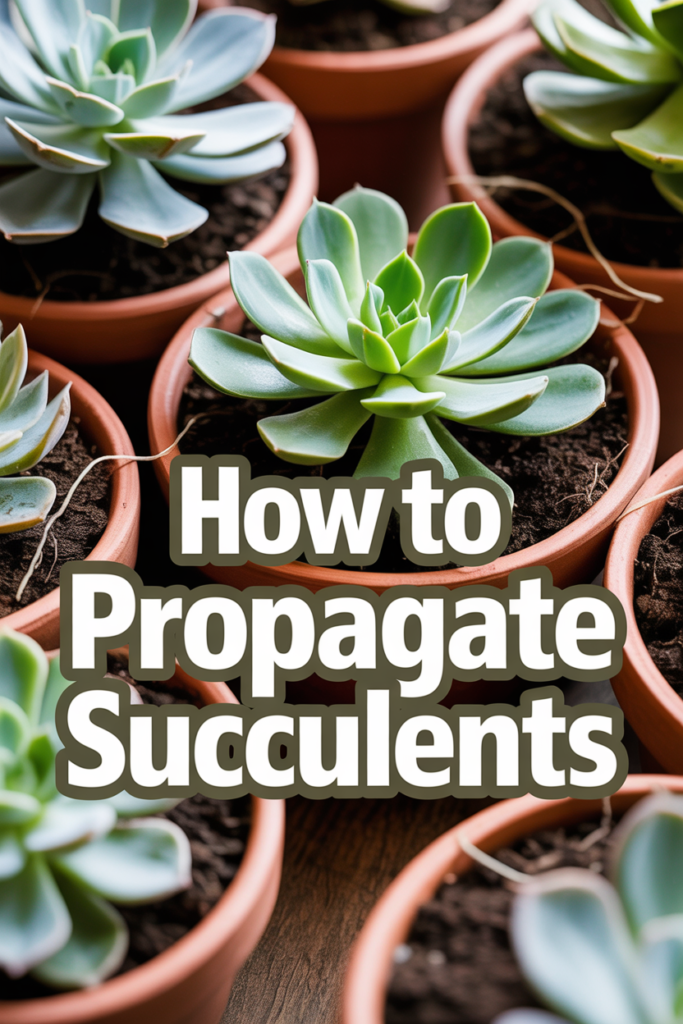
Quick Overview
This guide will empower you to multiply your favorite succulents, turning a single plant into a flourishing collection. You’ll learn simple, effective methods to create new life from leaves and stem cuttings, saving money and beautifying every corner of your home and garden, from sun-drenched patios to cozy window nooks.
- Time needed: 15-30 minutes for initial setup; 4-8 weeks for rooting; ongoing care.
- Difficulty: Beginner
- What you’ll need: Healthy succulent plant, sharp clean snips/knife, well-draining potting mix (cactus/succulent blend), shallow trays or pots, optional rooting hormone, spray bottle, patience, and a dash of gardening joy!
Step-by-Step Instructions
Step 1: Choose Your Parent Plant & Method
The first exciting step in your propagation adventure is selecting a vibrant, healthy “parent” succulent. Look for a plant that is free from pests, disease, and any signs of stress. Its leaves should be plump and firm, and its stem robust. The time of year also plays a crucial role; spring and early summer, when succulents are actively growing, offer the highest success rates for propagation. This is when nature’s energy is at its peak, providing your cuttings with the best chance to establish new roots.
You have two primary methods for propagation:
- Leaf Cuttings: Ideal for many rosette-forming succulents like Echeveria, Sedum, and Graptopetalum. This method yields many new plants from a single parent, creating a beautiful abundance.
- Stem Cuttings: Perfect for succulents that grow taller or branch out, such as Crassula, Kalanchoe, and certain Sedums. This method often results in larger, more established “baby” plants more quickly.
Consider the natural growth habit of your chosen succulent and which method feels most intuitive for you. Both are incredibly rewarding and open up a world of possibilities for expanding your collection.
Step 2: Gather Your Tools & Make Clean Cuttings
Preparation is key to a successful propagation journey. Gather your tools: a pair of sharp, clean gardening snips or a sterile utility knife, and a clean tray or plate to place your cuttings on. Cleanliness is paramount to prevent the spread of diseases to your precious new plants. Always sterilize your cutting tools with rubbing alcohol before and between uses.
For leaf cuttings, gently twist a healthy, plump leaf from the stem. The goal is to get a full, intact leaf, including the small base where it attaches to the stem. This “connection point” is where the roots and new plantlet will emerge. Avoid breaking or tearing the leaf, as this can hinder successful rooting. You’ll want to take several leaves to increase your chances of success and to create a lovely cluster of new plants.
For stem cuttings, identify a healthy stem at least 2-4 inches long. Make a clean cut just below a “node” – the point where leaves emerge from the stem. Carefully remove the lower leaves from the bottom inch or two of the stem, as this section will be inserted into the soil. These removed leaves can often be propagated themselves, offering a delightful bonus!
Pro tip: When taking cuttings, wear gloves if your succulent has sap that can be irritating, like some Euphorbia varieties. This ensures a comfortable and safe gardening experience.
Step 3: Allow Cuttings to Callus
This crucial step is often overlooked by beginners but is vital for preventing rot and ensuring your cuttings thrive. After making your cuts, your succulent pieces have open “wounds.” Just like a cut on your skin needs to scab over, succulent cuttings need to form a protective layer, called a callus, before being introduced to moisture.
Place your leaf and stem cuttings in a dry, airy spot away from direct sunlight. A windowsill out of direct sun, a shelf in a garage, or even a covered porch are ideal locations. The time this takes can vary depending on the succulent species, humidity, and temperature, typically ranging from a few days to two weeks. You’ll know a cutting is callused when the cut end looks dry, firm, and slightly scarred.
This waiting period is a testament to nature’s resilience and your patience as a gardener. It’s a quiet moment where the plant prepares itself for new life, creating a beautiful anticipation for the growth to come.
Step 4: Prepare Your Propagation Station
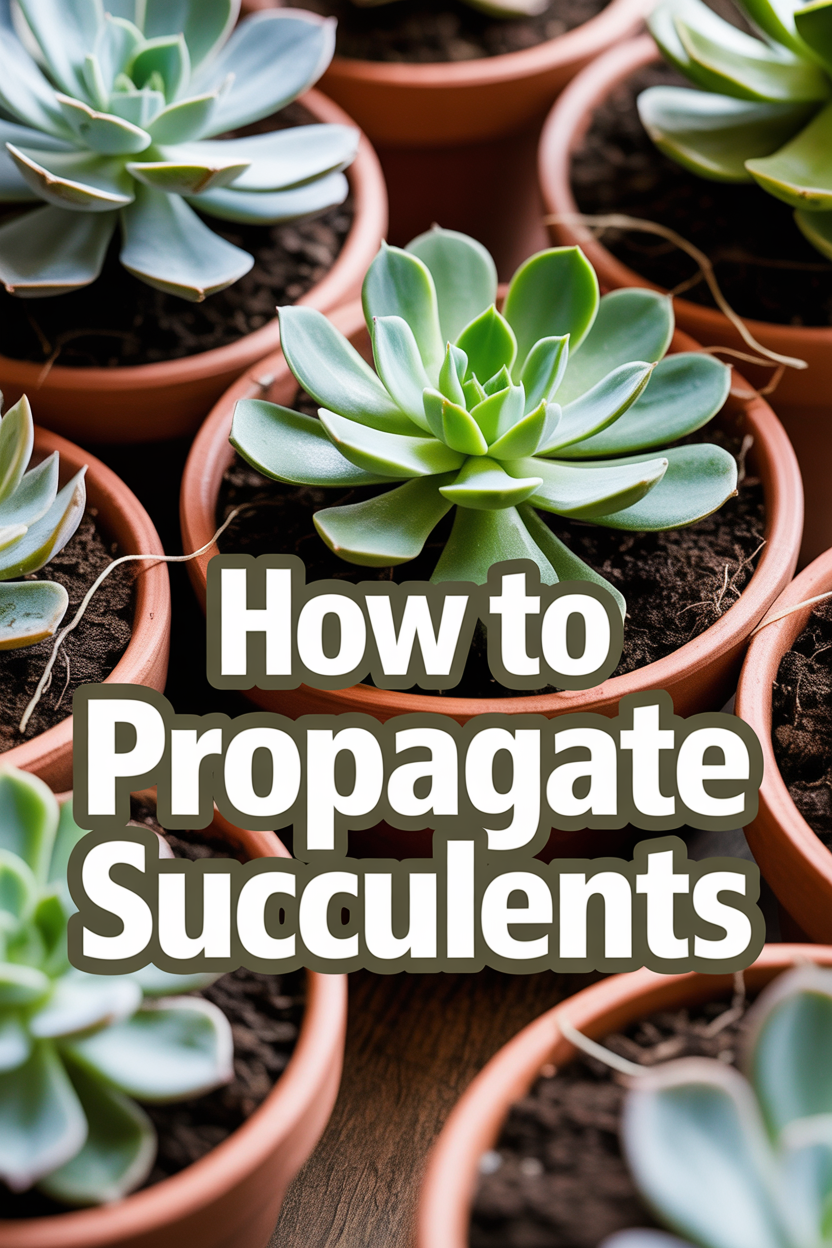
Now for the exciting part: setting up the nursery for your future succulent army! Choose shallow trays or pots with excellent drainage holes. Terracotta pots are fantastic as they allow for good airflow, but any container can work as long as it has drainage. For a DIY, Pinterest-worthy touch, consider repurposing old wooden crates, vintage ceramic dishes (with drilled holes), or even shallow baking pans for a charming, rustic propagation station.
Fill your chosen containers with a specialized well-draining potting mix designed for succulents and cacti. This soil typically contains ingredients like perlite, pumice, or coarse sand, which prevent waterlogging – the enemy of succulent roots.
For leaf cuttings, simply lay them flat on top of the soil. You can arrange them in neat rows or scatter them artfully across the surface. Some gardeners prefer to slightly embed the callused end into the soil, but simply laying them on top often works just as well.
For stem cuttings, gently insert the callused end about an inch or two deep into the soil. You can create small holes with a pencil or your finger first to avoid damaging the delicate callused tip. If using rooting hormone (optional), dip the callused end of your stem cuttings into the powder or liquid before planting. Rooting hormone can encourage faster root development and improve success rates, especially for more challenging varieties.
Pro tip: If propagating many leaves, arrange them aesthetically in a wide, shallow tray. This creates an instant miniature garden even before they root, perfect for a small space garden on a windowsill or a bright kitchen counter.
Step 5: The Waiting Game: Watering & Light
Patience is truly a virtue in succulent propagation. Once your cuttings are set in their propagation station, resist the urge to water them immediately. The leaves and stems contain enough moisture to sustain them until roots begin to form. Introducing water too soon can lead to rot.
Place your propagation station in a location that receives bright, indirect light. A north or east-facing window is often ideal, or a spot a few feet away from a south or west-facing window. Avoid direct, intense sunlight at this stage, as it can scorch the tender cuttings.
After about 2-4 weeks (or sometimes longer), you’ll start to see tiny pink or white roots emerging from the callused ends of your leaves and stems. For leaf cuttings, you might also notice a tiny “baby” plantlet forming at the base of the leaf. This is the moment to introduce a very gentle watering regimen. Use a spray bottle to lightly mist the soil surface around the roots or plantlets every few days, allowing the soil to dry out completely between mistings. The goal is to provide just enough moisture to encourage root growth without saturating the soil.
Pro tip: If using a clear glass container for propagation, you can easily observe root development without disturbing the cuttings, adding an extra layer of wonder to the process.
Step 6: Potting Up Your New Babies
The day your succulent babies are ready to leave their nursery tray is a moment of pure gardening joy! For leaf propagations, wait until the plantlet is about an inch in diameter and the original leaf has shriveled and fallen off (or can be gently removed). For stem cuttings, once the roots are about an inch long and well-established, they’re ready for their own pot.
Choose small pots (2-4 inches in diameter) with excellent drainage. Terracotta pots are again a fantastic choice, promoting healthy root development. Fill each pot with fresh, well-draining succulent potting mix. Gently lift your rooted plantlet or stem cutting, being careful not to damage the delicate new roots. Plant it at the same depth it was in the propagation tray, ensuring the roots are fully covered.
After potting, give your new succulents a light initial watering. This helps settle the soil around the roots. Place them back in a bright, indirect light location for a few days to acclimate to their new homes before gradually introducing them to stronger light. This transition phase is like sending your children off to kindergarten – a big step towards independence and growth!
Step 7: Nurturing Your Young Succulents
Your newly potted succulents are still babies and require thoughtful care to grow into magnificent specimens. The most common mistake at this stage is overwatering. Succulents thrive on a “soak and dry” method: water deeply until water drains from the bottom, then allow the soil to dry out completely, often for several days or even weeks, before watering again. Stick your finger into the soil; if it feels dry an inch or two down, it’s time to water.
Gradually introduce your young succulents to brighter light. Start with morning sun or dappled shade, then slowly move them to locations with more direct sunlight over a week or two. Most succulents prefer at least 6 hours of bright light daily to prevent them from stretching and becoming leggy (etiolation).
Keep an eye out for common pests like mealybugs or spider mites. A healthy plant is more resilient, but early detection and treatment with insecticidal soap can save your precious plants. Fertilizing is generally not necessary for the first few months, but if you choose to, use a diluted succulent-specific fertilizer during their active growing season (spring/summer). Regular observation and gentle care will ensure your propagated beauties flourish into stunning additions to your garden.
Step 8: Designing with Your New Succulents
Once your propagated succulents are robust and ready, the real fun begins: designing your dream garden spaces! Propagation allows you to create an endless array of Pinterest-worthy garden ideas without breaking the bank.
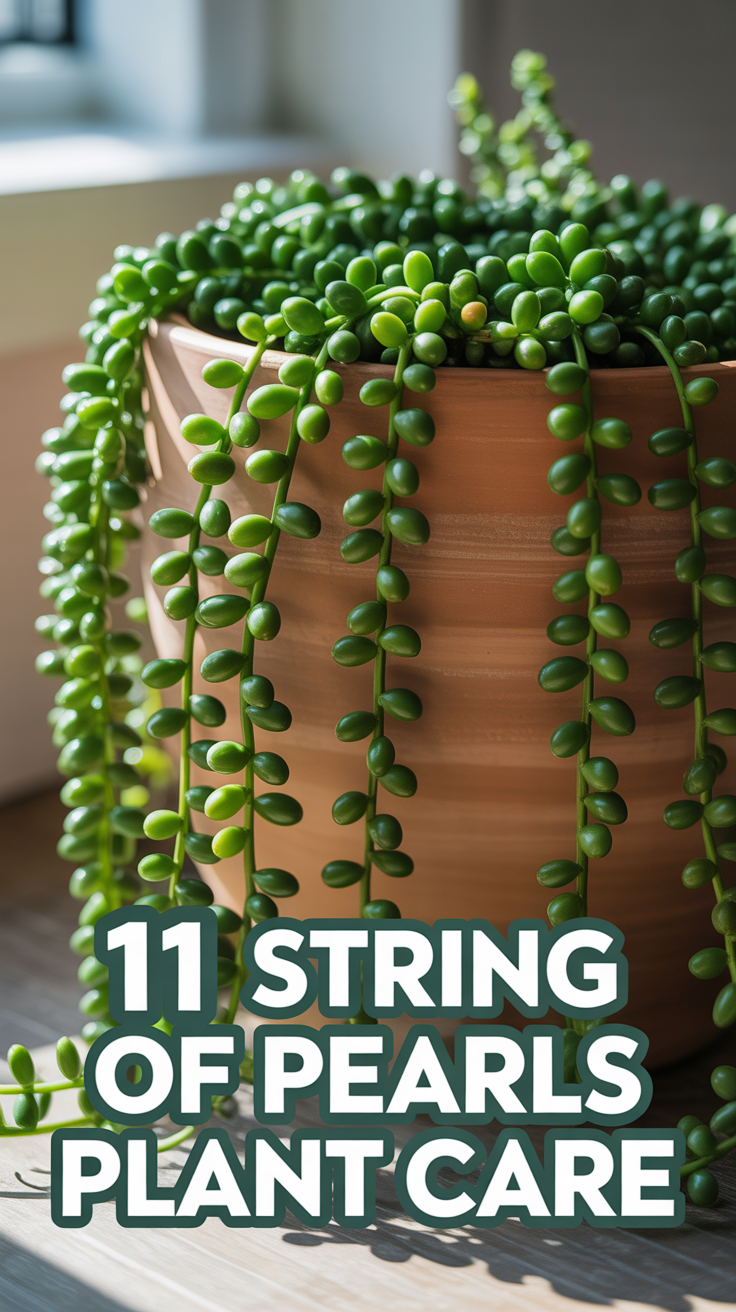
For a captivating backyard patio, arrange an assortment of your new succulent creations in varying heights and textures. Imagine a rustic wooden cart brimming with a tapestry of Echeveria, Sedum, and Sempervivum, creating a focal point that’s both chic and low-maintenance. Or line your patio steps with terracotta pots filled with cascading String of Pearls and upright Sansevieria.
For those in warmer climates (USDA Zones 9-11), consider integrating these resilient beauties directly into your outdoor landscaping and flower beds. Design a breathtaking xeriscape with sprawling ground cover succulents like Sedum ‘Dragon’s Blood’ alongside architectural Agaves and vibrant Kalanchoe, reducing water usage while maximizing visual impact. Group plants with similar light and water needs for a harmonious and thriving display.
Even if you have small space gardening challenges, propagation opens up a world of possibilities. Craft a stunning vertical garden on a sunny wall using repurposed pallets or specialized planters, transforming a blank canvas into a living work of art. Miniature terrariums or dish gardens for windowsills and coffee tables offer charming, self-contained succulent worlds.
For a charming DIY touch, plant individual succulent babies into vintage teacups, colorful tin cans, old shoes, or even hollowed-out gourds. These unique, repurposed planters make delightful accents for windowsills, garden shelves, or thoughtful, personalized gifts. While succulents aren’t typically part of a vegetable garden itself, their striking forms can offer a beautiful contrast when placed in decorative pots along the garden’s edge, adding an artistic flair to your edible landscape.
Remember to consider seasonal timing and your USDA zone. If you’re in a colder zone (below 9), ensure your outdoor container succulents are brought indoors before the first frost, allowing them to continue brightening your home throughout the winter months. This journey from a tiny cutting to a flourishing garden is a testament to nature’s resilience and your creative spirit, allowing you to craft beautiful, sustainable landscapes unique to your style.
Common Mistakes to Avoid
Even experienced gardeners make mistakes, but knowing these common pitfalls can help you avoid them on your propagation journey.
- Overwatering: This is the number one killer of succulents, especially new propagations. Succulents store water in their leaves and stems, and too much moisture in the soil leads to root and stem rot.
Correct Approach: Always allow the soil to dry out completely between waterings. When you do water, do so thoroughly until it drains from the bottom, then wait until the soil is bone dry again.
- Insufficient Light (Etiolation): If your succulents aren’t getting enough light, they will stretch out, become “leggy,” and lose their compact, appealing shape. This phenomenon is called etiolation, as the plant desperately reaches for light.
Correct Approach: Provide bright, indirect light for propagating cuttings. Once rooted and established, gradually introduce them to 6+ hours of bright, direct sunlight daily, depending on the species.
- Planting Cuttings Before Callusing: Placing a fresh, uncallused cutting directly into soil (especially moist soil) is an open invitation for rot and fungal diseases.
Correct Approach: Always allow your leaf and stem cuttings to air dry for several days to two weeks until a protective callus forms over the cut end. This crucial step seals the wound and protects the new plant.
- Using Non-Draining Soil or Pots: Standard potting soil retains too much moisture for succulents, and pots without drainage holes will trap water, leading to inevitable rot.
Correct Approach: Always use a specialized succulent or cactus potting mix that contains perlite, pumice, or coarse sand for excellent drainage. Ensure all your pots have at least one drainage hole at the bottom.
Troubleshooting
Even with the best intentions, you might encounter a few bumps in the road. Here are some quick solutions to common propagation issues:
- Cuttings Shriveled or Not Rooting: If your cuttings are shriveling, they might be too dry or in an environment with extremely low humidity that’s drying them out too quickly before roots can form. If they’re simply not rooting after several weeks, the parent plant might have been unhealthy, or the cut wasn’t clean.
Solution: Ensure your callused cuttings are in a relatively stable, protected environment. If no roots appear after 4-6 weeks, try again with fresh, healthy cuttings, ensuring clean cuts and proper callusing. Once roots appear, a light misting can help.
- Cuttings Rotting: This is almost always due to too much moisture. Either the cutting wasn’t properly callused, the soil was too wet when planted, or it was watered too soon/too frequently.
Solution: Immediately discard any rotting parts. If possible, recut above the rot, allow it to callus completely, and try again in fresh, dry succulent mix. Be vigilant about the “soak and dry” watering method once roots appear.
- Leggy/Stretched Growth (Etiolation): If your new plantlets are growing tall and spindly with widely spaced leaves, they are not receiving enough light.
Solution: Move your propagation station to a brighter location with more indirect light. Once established, gradually acclimate them to more direct sunlight. You can prune the leggy parts and even propagate those cuttings to create bushier plants.
Key Takeaways
- Always choose healthy, robust parent plants for propagation.
- Make clean cuts and allow all cuttings to callus thoroughly before planting.
- Use a well-draining succulent potting mix and pots with drainage holes.
- Patience is essential; rooting takes time, often several weeks.
- Provide bright, indirect light for cuttings, then gradually increase light for rooted plants.
- Under-water, don’t over-water – succulents prefer dry soil.
- Embrace the creative possibilities to design stunning garden spaces with your new plants!
Frequently Asked Questions
Q: Can I propagate succulents from flowers?
A: While succulents do produce flowers, propagation is typically done from the vegetative parts of the plant – leaves or stems. Flowers are for producing seeds, which is a different, often more complex, propagation method.
Q: How often should I water my propagating succulents?
A: Very sparingly. Do not water until roots begin to appear. Once roots are visible, mist the soil lightly every few days, allowing it to dry out completely between mistings. After potting up, follow the “soak and dry” method.
Q: What is the best time of year to propagate succulents?
A: Spring and early summer are ideal, as succulents are actively growing during these warmer months, leading to higher success rates and faster rooting.
Q: Do I need rooting hormone?
A: Rooting hormone is not strictly necessary for most succulent varieties, as many root quite readily on their own. However, it can speed up the rooting process and potentially increase success rates, especially for certain species or if you want an extra boost.
What’s Next?
Your journey into the enchanting world of succulent propagation has just begun! Don’t hesitate – gather your supplies today and transform those spare leaves and stems into a thriving collection. Experiment with different succulent varieties; each one offers a unique propagation experience and a diverse array of colors and textures.
As your collection grows, explore companion planting with other drought-tolerant species to create cohesive and sustainable garden designs. Consider creating a themed succulent garden, whether it’s a vibrant desert scape on your patio, a minimalist indoor display, or a whimsical fairy garden. And perhaps the most rewarding step of all: share your propagated plants with friends and family, spreading the joy and beauty of these resilient botanical treasures. Happy propagating!