🐦 11 Bird Feeder Station Ideas
Alright, listen up, nature lovers and aspiring bird whisperers! Ever scrolled through Instagram and thought, “My yard could use a little more… chirp?” You’re in the right place. We’re talking about upgrading your outdoor space from zero to hero for our feathered friends, without turning it into a chaotic bird mosh pit. Forget just tossing some seeds on the ground; we’re building a whole five-star resort for the local avian population. Let’s dive in and get those wings flapping!
1. The Classic Pole Mount
You can’t go wrong with a good old-fashioned pole. It’s the sturdy backbone of any serious bird feeding operation, giving those tiny diners a safe, elevated spot to munch. Plus, it makes it a tad harder for the neighborhood squirrels to stage a full-blown raid.
Seriously, invest in a baffle. It’s like a tiny, shiny force field for your pole, making it virtually impossible for acrobatic squirrels to reach the goods. Trust us, your seed stash will thank you.
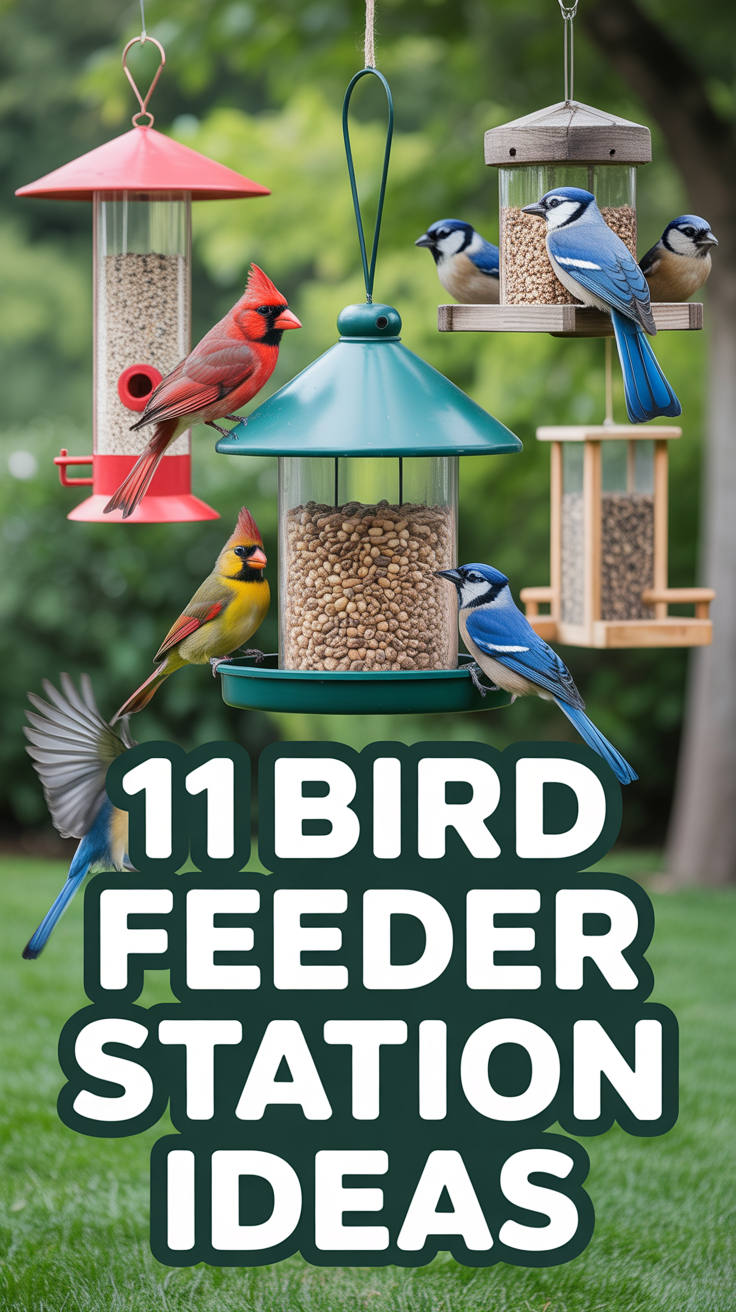
This setup works wonders for creating a focal point and keeping things tidy, proving that sometimes, simple really is best.
2. Window Wonders
Want to get up close and personal with your avian visitors without, you know, actually letting them in? A window-mounted feeder is your ticket to front-row seats for all the feathery drama. Imagine sipping your morning coffee while a cardinal snacks literally inches away.
Modern suction cup feeders are surprisingly robust, but maybe don’t try to hang a whole bird bath from one. Stick to lightweight seed or suet feeders. Pro tip: clean your window first for maximum stick-ability, otherwise it’s a sad crash-and-burn situation for everyone.
It’s an intimate experience that brings the wild right to your living room, without all the awkward small talk.
3. Hanging from Trees
Embrace the natural aesthetic! Tucking feeders into tree branches feels organic and gives birds a sense of security, mimicking their natural foraging habits. It’s like a secret garden party, just for them.
When selecting your spot, consider squirrel access. A branch too close to the trunk is an open invitation. Aim for thinner branches further out. Also, ensure the feeder is visible but offers some cover from predators. It’s all about balance.
This method offers a beautiful, integrated look that blends seamlessly with your existing landscaping.
4. DIY Pallet Project
Feeling crafty? A repurposed wooden pallet can transform into a charming, rustic feeder station. Think shelves, hooks, and maybe even a tiny roof. It’s eco-friendly and gives you major bragging rights.
Before you get too enthusiastic with the hammer, make sure to sand down any rough edges. Nobody wants splinters, especially not tiny, delicate bird feet. A little sealant wouldn’t hurt either, to protect it from the elements.
It’s a unique, personalized statement piece that offers both food and shelter, proving your DIY skills are top-tier.
5. Multi-Level Buffet
Why offer one dish when you can serve an entire tasting menu? Different birds prefer different seeds and different feeder styles. A multi-level station caters to everyone, from the sophisticated finch to the robust cardinal.
Include a variety: a tube feeder for smaller seeds, a hopper for mixed blends, and a platform feeder for larger birds. Pro tip: regularly clean each feeder type to prevent mold and bacterial growth. Nobody wants food poisoning at their fancy buffet.
This approach maximizes bird diversity, turning your yard into a bustling, happy restaurant with rave reviews.
6. Hummingbird Haven
If you want to attract those tiny, iridescent jewels of the sky, you need a specialized setup. Hummingbird feeders are all about nectar, bright colors, and easy access for their long beaks.
Hang your nectar feeders in a visible spot, preferably near some flowers. Remember, no red dye in your homemade nectar (just sugar and water, folks), it’s totally unnecessary and could be harmful. Keep it clean to avoid fermentation and mold, which hummers definitely don’t appreciate.
It’s a dazzling display of aerial acrobatics and vibrant colors, bringing a touch of magic to your garden.
7. Ground Feeder Galore
Not all birds are comfortable dining aloft. Doves, juncos, and sparrows prefer to forage on the ground. A low-profile ground feeder or simply scattering seeds in a designated area can be a game-changer for these shy diners.
Use a mesh tray feeder to keep seeds off the damp ground, reducing mold and waste. Pro tip: frequently move your ground feeding spot a few feet. This prevents seed hulls from piling up and killing your grass, and also minimizes disease transmission.
This inclusive option ensures all your feathered friends, regardless of their preferred dining height, feel welcome.
8. The Squirrel-Proof Fortress
Alright, let’s address the elephant in the yard: squirrels. If you’re tired of them treating your feeders like an all-you-can-eat buffet, it’s time to build a fortress. This isn’t just a feeder; it’s a declaration of war (a friendly one, of course).
Look for feeders with cages, weighted perches that close under a squirrel’s weight, or robust baffles. Remember, squirrels are incredibly clever and persistent. Your mission, should you choose to accept it, is to stay one step ahead of their antics.
It’s a satisfying victory when your birdseed remains untouched by furry bandits, ensuring the birds get their fair share.
9. Bird Bath Integration
Food is great, but hydration is essential! Integrating a bird bath into your feeder station offers a complete spa experience for your avian guests. They’ll appreciate a clean drink and a quick splash.
Ensure the bird bath is shallow, with gently sloping sides for easy access. A few stones in the basin can help smaller birds get a grip. Most importantly, keep it pristine: change the water daily and give it a good scrub regularly. Nobody likes murky bathwater.
A well-maintained bird bath turns your station into a full-service sanctuary, attracting even more species.
10. Native Plant Power-Up
Want to go next-level and provide natural, sustainable food sources? Incorporate native plants into your landscape. Think berries, seeds, and the insects they attract. It’s like a self-replenishing pantry for birds.
Choose plants that are native to your specific region. They’ll thrive with less effort, require less water, and provide the exact nutritional value local birds need. Plus, they look great. It’s a win-win-win situation.
This eco-conscious approach creates a truly holistic bird haven, supporting the entire ecosystem, not just your feeders.
11. The “Smart” Feeder
For the tech-savvy bird enthusiast, the smart feeder is a game-changer. These beauties often come with built-in cameras, allowing you to watch, identify, and even get notifications about your feathered visitors right on your phone. It’s like Big Brother, but for birds, and in a good way.
Ensure your Wi-Fi signal reaches the feeder’s location, or it’s just a very expensive, regular feeder. Also, consider battery life or solar charging options. Nobody wants to constantly swap batteries when they could be watching a rare warbler.
It’s a fantastic way to deepen your connection with nature from afar, and maybe even catch a rare species or two for your digital collection.
Conclusion
So there you have it, folks! From classic poles to high-tech cameras, setting up a killer bird feeder station is more than just scattering seeds; it’s about creating a welcoming, safe, and utterly charming spot for our winged neighbors. Remember, a happy bird means a happy yard (and probably fewer bugs, let’s be real). Go forth, get creative, and prepare for some serious feathery fun. Your backyard ecosystem (and your Instagram feed) will thank you!