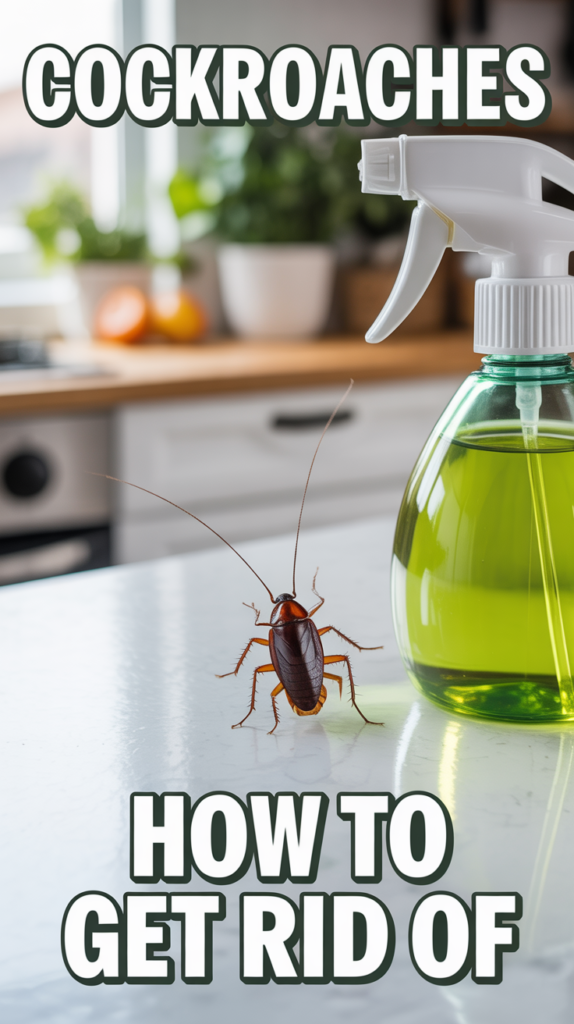
🪳 Cockroaches How To Get Rid Of
Discovering a cockroach scurrying across your kitchen floor is never a pleasant sight. These resilient pests are not only unwelcome guests, but they can also pose health risks and multiply at an alarming rate. But don’t despair! With a clear plan, a bit of elbow grease, and a sprinkle of patience, you can reclaim your home and create an environment where these creepy crawlies simply can’t thrive. This guide will walk you through practical, step-by-step methods to effectively evict cockroaches and keep them from returning, helping you restore peace and cleanliness to your living space.
Quick Overview
This comprehensive guide will empower you to identify, tackle, and prevent cockroach infestations using a multi-pronged approach focused on cleanliness, sealing entry points, and strategic treatments. You’ll learn how to transform your home into a less inviting habitat for these pests, ensuring long-term control.
- Time needed: Initial setup (1-2 days), ongoing maintenance (weekly/monthly)
- Difficulty: Beginner
- What you’ll need: Cleaning supplies, caulk gun and caulk, silicone sealant, expanding foam, flashlight, bait traps, sticky traps, insect growth regulators (optional), essential oils (optional), boric acid (optional), gloves, safety glasses.
Step-by-Step Instructions
Step 1: Become a Detective – Identify the Invaders and Their Hotspots
Before you can get rid of cockroaches, you need to know what you’re up against. Different species might require slightly different approaches, and understanding where they hide is crucial. Grab your flashlight and put on your detective hat!
- What to look for: Small, oval-shaped insects (various sizes depending on species, from tiny German cockroaches to larger American cockroaches), shed skins, egg casings (oothecae), droppings (look like coffee grounds or black pepper), and a musty odor.
- Where to search: Cockroaches love dark, warm, and moist places. Focus your search on kitchens and bathrooms. Check under sinks, behind appliances (refrigerator, stove, dishwasher), in pantries, inside cabinets, behind baseboards, in wall voids, and even in electrical outlets. Don’t forget laundry rooms and basements.
Pro tip: Do your detective work at night. Cockroaches are nocturnal, so you’re more likely to spot them when your home is quiet and dark. A sudden flick of the lights can reveal their hiding spots as they scatter.
Step 2: Declare War on Clutter and Crumbs – Sanitize Your Space
The most fundamental step in cockroach control is depriving them of food, water, and shelter. Cockroaches are scavengers, and even the smallest crumb is a feast. This step is about meticulous cleaning and organization.
- Kitchen Cleanliness:
- Wipe down all counters, stovetops, and sinks daily.
- Sweep and mop floors regularly, paying attention to corners and under appliances.
- Clean up food spills immediately.
- Don’t leave dirty dishes in the sink overnight. Wash them or load them into the dishwasher.
- Store all food in airtight containers, including pet food.
- Empty trash cans daily, especially before bed, and use bins with tight-fitting lids.
- Clean out crumbs and spills from toasters, microwaves, and ovens.
- Bathroom Cleanliness:
- Wipe down sinks and tubs to remove standing water.
- Ensure no leaky faucets or pipes, as water is vital for them.
- Keep floors dry and clean.
- General Home Cleanliness:
- Vacuum regularly, including under furniture.
- Reduce clutter where cockroaches can hide, such as stacks of newspapers, cardboard boxes, or old clothes.
- Don’t leave pet food or water bowls out overnight.
- Clean up pet waste promptly.
Pro tip: Think like a cockroach. If you were tiny and hungry, where would you find your next meal or a cozy hideout? Eliminate those opportunities.
Step 3: Seal Off the Invasion Routes – Fortify Your Home
Cockroaches are master infiltrators. They can squeeze through incredibly tiny cracks and crevices. Sealing off these entry points is crucial to prevent new pests from entering and existing ones from moving between rooms or finding new hiding spots.
- Caulk and Seal:
- Inspect and seal cracks and holes in walls, floors, and ceilings.
- Pay special attention to gaps around pipes (under sinks, behind toilets), utility lines, and electrical outlets.
- Seal gaps around windows and door frames.
- Use a silicone-based caulk for areas prone to moisture (kitchens, bathrooms) as it resists mold and mildew.
- Repair and Replace:
- Fix leaky faucets, pipes, and drains immediately. Cockroaches need water to survive.
- Repair any damaged screens on windows and doors.
- Consider adding weather stripping to the bottom of exterior doors.
- Exterior Inspection:
- Check for cracks in your home’s foundation or exterior walls.
- Ensure vents (e.g., dryer vents) have screens.
- Trim back vegetation and tree branches that touch your house, as they can serve as bridges for pests.
Pro tip: Don’t forget the small gaps. If a cockroach can fit its head through a crack, its whole body can follow. A flashlight can help illuminate these hidden pathways.
Step 4: Deploy Strategic Traps and Baits – Target the Enemy
Once your home is clean and sealed, it’s time to actively reduce the existing population. Traps and baits are excellent, non-spray methods that can be very effective.
- Bait Traps:
- These contain a slow-acting insecticide mixed with an attractive food source. Cockroaches eat the bait, carry it back to their nest, and share it, effectively poisoning the colony.
- Place bait traps in areas where you’ve seen activity, but out of reach of children and pets. Good spots include under sinks, behind appliances, in cabinets, and along baseboards.
- Be patient; baits take time to work, usually a few days to a week to see significant results.
- Sticky Traps (Glue Traps):
- These don’t kill the cockroaches directly but trap them on a sticky surface. They are great for monitoring the severity of your infestation and identifying specific travel paths.
- Place them in high-traffic areas, corners, and along walls.
- Replace them regularly as they fill up or lose their stickiness.
Pro tip: For bait traps, avoid using other sprays or repellents near them, as these can deter cockroaches from the bait, rendering it ineffective.
Step 5: Consider Boric Acid or Diatomaceous Earth (Optional) – Natural Barriers
For those looking for less toxic, “nature-inspired” solutions, boric acid and diatomaceous earth can be effective when used correctly.
- Boric Acid:
- A natural mineral that acts as a stomach poison and abrasive to cockroaches.
- Apply a very thin, barely visible layer of boric acid powder in cracks, crevices, under appliances, and behind cabinets. Cockroaches walk through it, ingest it when grooming, and die.
- Caution: While less toxic than many insecticides, it can be harmful if ingested by pets or children. Use in inaccessible areas.
- Diatomaceous Earth (Food Grade):
- Made from fossilized aquatic organisms, it’s a fine powder that feels soft to us but is like microscopic shards of glass to insects. It dehydrates their exoskeletons.
- Sprinkle a thin layer in similar areas as boric acid.
- Safety: Food-grade DE is safe for pets and humans, but avoid inhaling large amounts as it can irritate lungs.
Pro tip: Less is more with these powders. If you apply too much, cockroaches will simply walk around it. A light dusting is all that’s needed.
Step 6: Introduce Insect Growth Regulators (IGRs) – Break the Cycle
IGRs are a powerful tool for long-term control because they don’t kill adult cockroaches directly but prevent them from maturing or reproducing. They’re like a birth control for pests.
- IGRs come in various forms, including sprays, aerosols, and bait stations.
- They disrupt the cockroach life cycle, preventing nymphs from developing into reproductive adults and often causing sterility in adults.
- Using IGRs alongside baits significantly increases your chances of long-term success by targeting the population at multiple stages.
- Apply IGRs in areas where cockroaches hide and breed, such as cracks, crevices, and behind appliances.
Pro tip: IGRs are particularly effective for German cockroaches, which breed rapidly. They are a game-changer for breaking the infestation cycle.
Step 7: Outdoor Management – Create a Perimeter Defense
Your fight against cockroaches isn’t just an indoor battle. Many species come from outside or thrive in outdoor conditions close to your home.
- Remove Harborage: Clear away leaf litter, woodpiles, compost heaps, and other debris near your foundation. These provide excellent hiding spots.
- Manage Moisture: Ensure good drainage around your home. Fix any outdoor leaks, keep gutters clean, and ensure sprinklers aren’t constantly wetting the foundation.
- Seal Exterior Gaps: Re-inspect your home’s exterior for cracks, gaps around utility lines, and unsealed vents. Use caulk, expanding foam, or mesh screens to block entry.
- Exterior Baits/Granules: Consider placing exterior-grade cockroach baits or insecticidal granules around the perimeter of your home, especially in warm, moist areas or near potential entry points.
Pro tip: Keep outdoor trash cans away from the house and ensure they have tight-fitting lids. Rinse recycling bins regularly.
Step 8: Monitor and Maintain – The Long Game
Getting rid of cockroaches is rarely a one-time event. Ongoing monitoring and maintenance are key to ensuring they don’t return.
- Continue Monitoring: Keep sticky traps out to monitor for any new activity. If you catch cockroaches, it’s a sign you need to re-evaluate your strategy.
- Regular Cleaning: Maintain the rigorous cleaning schedule established in Step 2. Consistency is vital.
- Reapply Baits/Powders: Replace bait stations as recommended by the manufacturer (usually every 3-6 months). Reapply boric acid or DE if they get wet or swept away.
- Stay Vigilant: Periodically re-inspect your home for new cracks, leaks, or signs of cockroach activity.
Pro tip: Don’t give up too soon. Cockroach control requires persistence. Even if you don’t see them, some might still be lurking, so continue your efforts for several weeks after the last sighting.
Common Mistakes to Avoid
- Relying Solely on Sprays: Many people reach for aerosol bug sprays first. While they can kill individual cockroaches on contact, they often scatter the infestation, driving them into new hiding spots, and don’t address the root cause or the hidden population.
- Ignoring Sanitation: Believing that chemical treatments alone will solve the problem without addressing food and water sources. Cockroaches will always find a way to survive if resources are available.
- Not Sealing Entry Points: Overlooking the importance of sealing cracks and crevices, allowing new cockroaches to enter and existing ones to move freely.
- Giving Up Too Soon: Expecting instant results and stopping treatment once you see fewer cockroaches. Cockroaches have complex life cycles, and eggs can hatch weeks after adults are gone.
Correct approach: Use sprays only for direct kills of visible pests, but focus your main effort on baits, IGRs, and sanitation, which target the colony and prevent future generations.
Correct approach: Make cleanliness your absolute top priority. No amount of pesticide will be effective long-term if sanitation is neglected.
Correct approach: Dedicate time to thoroughly inspect and seal every potential entry point, both inside and outside your home.
Correct approach: Maintain your treatment and monitoring efforts for several weeks or even months after the last sighting to ensure all generations are eliminated.
Troubleshooting
- Problem: Still seeing cockroaches after several weeks of effort.
Solution: Re-evaluate your sanitation and sealing efforts. Are there any hidden food or water sources? Did you miss any cracks? Ensure your bait is fresh and placed correctly. Consider adding an IGR if you haven’t already. If the problem persists, it might be time to call a professional pest control service, especially for large or persistent infestations.
- Problem: Cockroaches are avoiding baits.
Solution: This can happen if there are too many competing food sources (go back to Step 2!) or if the cockroaches have developed a bait aversion (common with older bait types). Try switching to a different brand or type of bait with a different active ingredient or food attractant. Ensure no other strong-smelling cleaners or sprays are near the bait.
- Problem: Seeing more cockroaches after initial treatment.
Solution: This can sometimes happen with baits, as they attract cockroaches out of their hiding spots to feed. It can also happen if you’ve used repellent sprays, pushing them into new areas. Don’t panic; this could be a sign the bait is working. Continue your efforts, focusing on cleanliness and consistent baiting.
Key Takeaways
- Sanitation is paramount: Eliminate food, water, and shelter sources.
- Seal entry points: Prevent access and movement within your home.
- Strategic treatments: Use baits and IGRs for effective, long-term control.
- Patience and persistence: Cockroach control is a marathon, not a sprint.
- Monitor and maintain: Ongoing vigilance prevents re-infestation.
Frequently Asked Questions
Q: Are cockroaches dangerous to my health?
A: Yes, cockroaches can carry bacteria (like Salmonella) and viruses, contaminate food, and trigger allergies and asthma attacks, especially in children.
Q: How quickly do cockroaches multiply?
A: Very quickly! A single female German cockroach can produce up to 8 egg capsules in her lifetime, each containing 30-40 eggs. This means one female can be responsible for hundreds of thousands of offspring in a year.
Q: When should I call a professional exterminator?
A: If you have a large, persistent infestation, or if your DIY efforts aren’t yielding results after several weeks, it’s a good idea to call a professional. They have access to stronger treatments and specialized knowledge.
Q: Can essential oils repel cockroaches?
A: Some essential oils, like peppermint, cedar, and eucalyptus, are believed to have repellent properties. While they might deter some cockroaches, they are generally not effective as a primary method for eliminating an established infestation. Use them as a supplementary deterrent in clean, sealed areas.
What’s Next?
You’ve taken the first brave steps to a cockroach-free home! Now, don’t stop there. Re-read through the steps and create a personalized checklist for your home. Start with a deep clean today, identify those sneaky entry points, and get your first set of bait traps deployed. Consider exploring more about different types of cockroach species if you’re still unsure about your specific invader. A proactive approach is your best defense. Keep your home clean, sealed, and unattractive to pests, and you’ll enjoy a healthier, happier living space!