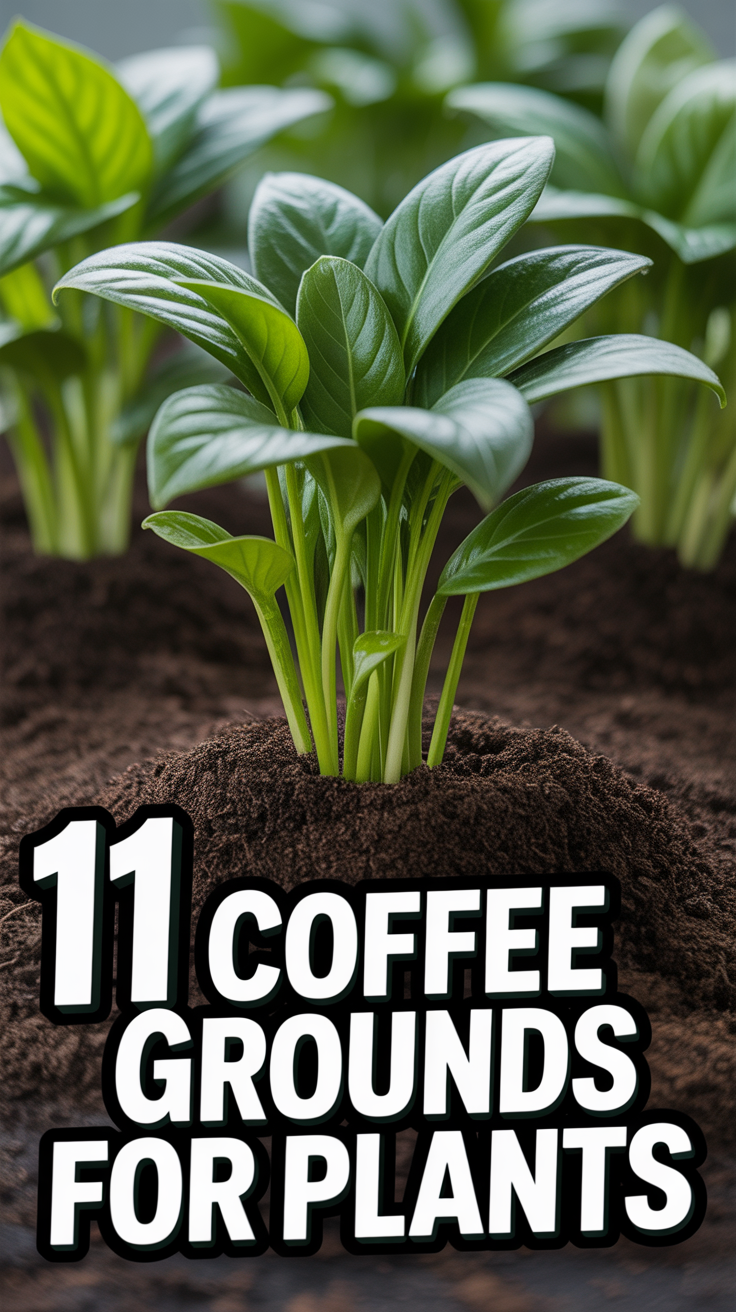
☕ 11 Coffee Grounds For Plants
Okay, real talk: you brew your morning cup of joe, savor that first glorious sip, and then what happens to those damp, used-up grounds? Most of us just toss ’em, right? What a tragedy! You’re basically throwing away garden gold. Turns out, your spent coffee grounds are actually an eco-friendly, nutrient-packed secret weapon for your plants. Who knew your morning ritual could double as a gardening hack? Let’s dive into how to put those grounds to work, because nobody likes wasted potential.
1. Nitrogen Power-Up
Your plants are practically begging for a nitrogen boost, and guess what? Coffee grounds deliver! Nitrogen is the MVP for strong, leafy growth, giving your greens that vibrant, “I’m thriving!” look. Think of it as a slow-release superfood for your foliage.
Just sprinkle a thin layer around the base of your plants or gently mix it into the topsoil. Don’t go overboard, though; too much of a good thing can sometimes be, well, too much. This simple trick encourages lush, healthy leaves, making your garden the envy of the block.
2. Soil Structure Supercharger
Ever notice how coffee grounds are a bit… gritty? That texture is pure magic for improving your soil. They help break up compacted earth, making it easier for water to drain and air to circulate. Happy roots need room to breathe, folks!
Mix those grounds into your garden beds or potting soil, and watch your plants thank you with robust growth. Better drainage means fewer soggy roots, and better aeration means more oxygen for those hardworking plant systems. It’s like giving your soil a spa day.
3. Worm Welcome Mat
If you want happy, healthy soil, you need worms. And worms? They absolutely adore coffee grounds. Seriously, they’re like a five-star buffet for your subterranean friends.
Scatter a light layer of grounds on your garden surface, and earthworms will flock to them, doing their vital work of aerating the soil and breaking down organic matter. More worms mean richer, more fertile soil, and who doesn’t want a bustling underground ecosystem?
4. Slug and Snail Shield
Are slimy invaders making a meal out of your precious plants? Coffee grounds might just be your new best friend. Slugs and snails apparently aren’t big fans of the abrasive texture or the caffeine kick.
Create a protective barrier by sprinkling a ring of grounds around vulnerable plants. It’s a natural, non-toxic deterrent that keeps those garden munchers at bay. Your hostas will send you a thank-you note.
5. Fungal Foe
Some studies suggest coffee grounds can actually help suppress certain common fungal diseases in plants. It’s like they’re giving your green buddies a little immune system boost against the bad guys.
Use them sparingly and ensure good air circulation to avoid mold, but a light application can offer some natural protection. Think of it as your plant’s personal bodyguard against microscopic invaders. Pretty cool, huh?
6. Acid-Lover’s Dream
Got plants that crave a bit of acidity in their soil? Think blueberries, azaleas, rhododendrons, and hydrangeas (especially if you want those gorgeous blue blooms!). Coffee grounds are naturally acidic, making them a perfect treat.
Work a small amount into the soil around these acid-loving beauties. Always do a quick soil pH test if you’re unsure, but for these specific plants, it’s often a match made in heaven. Your plants will be buzzing with happiness.
7. Compost Catalyst
If you’re into composting (and you should be!), coffee grounds are a fantastic “green” material to toss in. They’re rich in nitrogen, which helps heat up your compost pile and speed up the decomposition process.
Add them to your compost bin along with your other kitchen scraps and yard waste. Just remember to balance them with “browns” like dried leaves or cardboard for the best results. Your compost pile will be cooking in no time.
8. Weed Warrior
A thin layer of coffee grounds can act as a pretty decent weed suppressant. They create a physical barrier that makes it harder for those pesky weed seeds to germinate and sprout.
After you’ve done your weeding, spread a light layer over your garden beds. It’s not a magic bullet, but every little bit helps keep your garden looking pristine and saves your back from extra work. You’re welcome.
9. Cat Scat Scrambler
If neighborhood cats think your freshly tilled garden bed is their personal litter box, coffee grounds can come to the rescue. Most felines aren’t fans of the smell or texture, making them think twice before doing their business.
Sprinkle grounds around the areas where you want to deter cats. It’s a humane, non-toxic way to protect your plants and keep your garden tidy. Your petunias will thank you for the peace and quiet.
10. Micronutrient Mix
Beyond nitrogen, coffee grounds bring a whole host of other good stuff to the table. They contain trace amounts of potassium, magnesium, calcium, and other micronutrients that plants need to thrive.
Consider them a slow-release, all-natural multivitamin for your garden. These little extras contribute to overall plant health and resilience, ensuring your green friends are strong from root to tip. It’s the silent support system your plants deserve.
11. Beneficial Microbe Feeder
Healthy soil isn’t just about the dirt; it’s teeming with beneficial microbes that do incredible work. Coffee grounds provide a tasty food source for these tiny, unseen helpers, encouraging a thriving microbial community.
A lively microbial population helps break down nutrients, fight off pathogens, and improve soil structure. By feeding the microbes, you’re essentially creating a bustling, efficient ecosystem right beneath your plants’ feet. It’s a win-win for everyone.
Conclusion
So, there you have it! Those humble coffee grounds you’ve been tossing are actually a powerhouse of garden goodness. From boosting nitrogen to deterring pests and feeding your soil’s unseen helpers, they’re a zero-waste win. Next time you brew up a cup, remember: you’re not just making coffee, you’re brewing up some serious plant potential. Go forth and get your hands dirty, you savvy gardener, you!