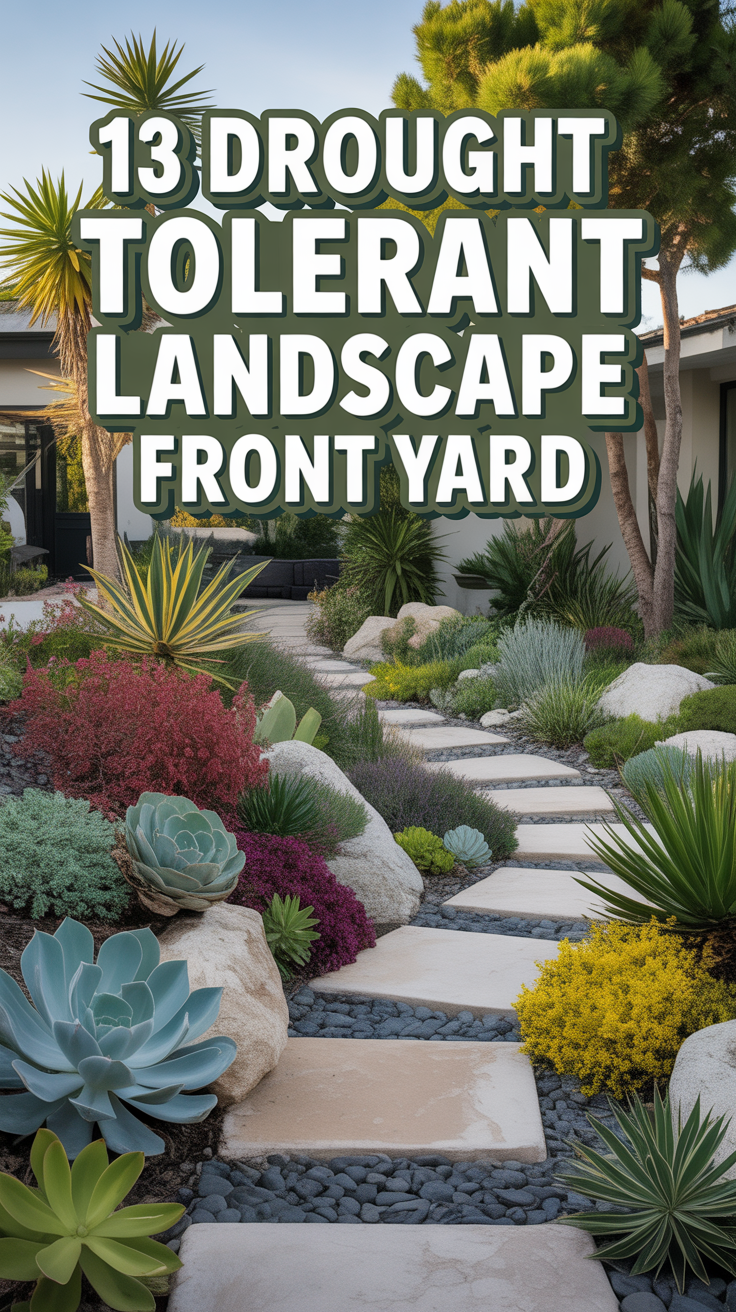
💧 13 Drought Tolerant Landscape Front Yard
Hey there, savvy home improver! Ever stare at your front yard, watching your water bill climb higher than a redwood, and think, “There’s gotta be a better way to look fabulous without all the fuss” Well, you’re in luck, because we’re about to dive headfirst into the glorious world of drought tolerant landscaping. Get ready to ditch the thirsty lawn, embrace some serious style, and still have enough cash left over for that artisanal coffee habit. Your front yard is about to get a major glow-up, and Mother Earth will totally send you a thank-you note.
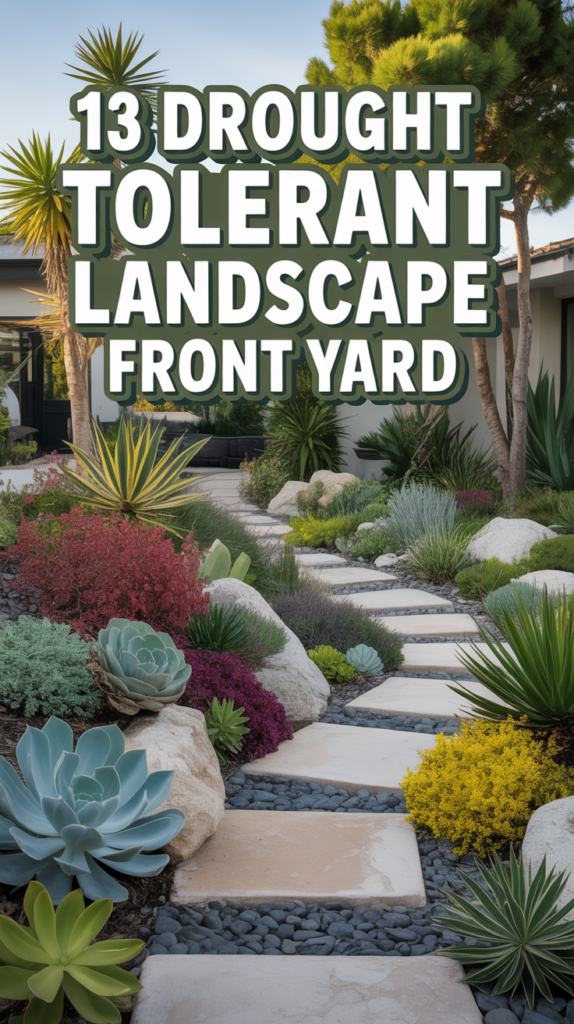
1. Cactus & Succulent Haven
Alright, let’s kick things off with the OGs of low-water landscaping. Cacti and succulents are basically living sculptures, and they demand almost nothing from you.
These guys come in an insane array of shapes, sizes, and colors, making your front yard look instantly chic without guzzling water. Think sculptural agaves, vibrant sedums, and even some surprisingly soft-looking cacti. Pro tip: Group plants with similar water needs together to make your life even easier.
They thrive on neglect, which is ideal for anyone who prefers sipping iced tea to wrestling with a hose. Plus, they add serious curb appeal with zero drama.
2. Mediterranean Escape
Picture this: sun-drenched vibes, fragrant herbs, and plants that practically scoff at a little dry spell. Mediterranean-inspired gardens bring that vacation feeling right to your doorstep.
You’ll load up on things like lavender, rosemary, olive trees, and various salvias. These plants are tough, smell amazing, and give off serious old-world charm. Pro tip: Incorporate some light-colored gravel or stone pathways to really nail that European aesthetic.
It’s a look that screams sophistication and whispers, “I’m not bothering with a sprinkler system.”
3. Native Plant Powerhouse
Want to make your garden truly feel like home, while also being the ultimate water-saver Go native, my friend! These plants are literally born for your local climate.
Native plants are perfectly adapted to your region’s rainfall and soil, meaning they require minimal supplemental watering once established. They also provide crucial habitat for local wildlife, which is a total win-win. Pro tip: Visit a local native plant nursery for expert advice on what thrives best in your specific microclimate.
Your yard becomes a thriving ecosystem, looking naturally gorgeous without any extra effort.
4. Gravel Garden Glam
Who needs a lawn when you can have a sleek, modern gravel garden that practically waters itself Gravel isn’t just for driveways anymore.
This style uses various sizes and colors of gravel as a primary ground cover, interspersed with drought-tolerant plants. It offers excellent drainage, suppresses weeds, and looks incredibly sharp. Pro tip: Lay down a high-quality landscape fabric beneath the gravel to prevent weeds from popping up through your pristine design.
It’s a minimalist dream that keeps water where it belongs, in the soil, not evaporating into thin air.
5. Rock Garden Retreat
Combine the rugged beauty of natural stone with resilient plants, and you’ve got yourself a rock garden. It’s a classic for a reason.
Rock gardens mimic alpine or desert landscapes, creating pockets for small, hardy plants like sedums, sempervivums, and dwarf conifers. The rocks themselves help retain moisture in the soil. Pro tip: Use larger, irregularly shaped rocks for a more natural, authentic look.
This design is low-maintenance, visually interesting, and surprisingly tranquil.
6. Xeriscaping Zen
Xeriscaping isn’t just a fancy word; it’s a whole philosophy about designing for minimal water use. Think smart, not hard.
This approach focuses on seven principles, including proper planning, soil improvement, efficient irrigation, and appropriate plant selection. It’s about creating zones based on water needs. Pro tip: Start with a detailed plan of your yard, mapping out sun exposure and existing features before you dig.
It’s a mindful way to garden that conserves resources and looks fantastic doing it.
7. Dry Stream Bed Drama
Want to add some architectural interest and trick the eye into seeing water, even when there isn’t any A dry stream bed is your answer.
This clever design element uses carefully placed rocks and gravel to mimic the path of a natural stream. It can even help with drainage during heavy rains, guiding water away from your house. Pro tip: Incorporate some larger “boulder” rocks at key points to make the stream bed look more established and natural.
It’s a brilliant way to add texture and movement to your yard without a drop of actual H2O.
8. Artful Agave Arrangements
Agaves are the queens of bold, architectural statements, and they absolutely thrive on neglect. They’re basically living art.
These spiky beauties come in various sizes and shades, from deep greens to silvery blues, often with striking patterns. They demand very little water and make a huge impact. Pro tip: Plant agaves in well-draining soil, as they really hate wet feet, especially in cooler months.
Your front yard will instantly gain a modern, sculptural edge that is as tough as it is beautiful.
9. Lavender Labyrinth
Imagine a sea of fragrant purple, buzzing with happy pollinators, and asking for next to no water. A lavender garden is pure bliss.
Lavender varieties like ‘Hidcote’ or ‘Munstead’ are incredibly drought-tolerant once established and fill the air with their calming aroma. They also look stunning in mass plantings. Pro tip: Give your lavender a good prune after flowering to encourage bushier growth and more blooms next season.
It’s a sensory delight that’s tough as nails and utterly gorgeous.
10. Ornamental Grass Grandeur
For movement, texture, and a touch of wild elegance, ornamental grasses are your unsung heroes. They sway beautifully in the breeze and require minimal fuss.
From wispy pink muhly grass to towering pampas grass (choose sterile varieties!), these plants add dynamic interest year-round. Many are incredibly drought-tolerant and provide winter interest. Pro tip: Pair grasses with broad-leaved succulents or cacti to create striking textural contrast.
They’re the low-maintenance dancers of the garden, bringing life and flow without needing constant hydration.
11. Edible Drought-Busters
Who says drought-tolerant can’t also be delicious Many herbs and certain vegetables are surprisingly water-wise once established.
Think rosemary, thyme, oregano, sage, and even some varieties of artichokes or cardoons. These plants pull double duty, looking great and providing fresh ingredients for your kitchen. Pro tip: Plant herbs in raised beds or containers with good drainage to ensure they don’t get waterlogged.
You get a beautiful, fragrant landscape that also contributes to dinner. Talk about efficiency!
12. Smart Irrigation Systems
Even the most drought-tolerant plants need a drink sometimes, especially when establishing. But you can be smart about it.
Drip irrigation or micro-sprinklers deliver water directly to the plant’s root zone, minimizing evaporation and runoff. It’s incredibly efficient and prevents overwatering. Pro tip: Install a smart controller that adjusts watering schedules based on local weather conditions.
It takes the guesswork out of watering, ensuring your plants get exactly what they need, no more, no less.
13. Mulch Magic
This isn’t just about making things look tidy; mulch is a superstar when it comes to water conservation. It’s the unsung hero of the dry garden.
A thick layer of organic mulch (like wood chips or shredded bark) suppresses weeds, regulates soil temperature, and significantly reduces water evaporation from the soil. Pro tip: Apply mulch at least 3-4 inches deep, but keep it a few inches away from plant stems to prevent rot.
It’s an easy, affordable way to keep your plants happy and hydrated with minimal effort from you.
Conclusion
So there you have it, thirteen brilliant ways to make your front yard the envy of the neighborhood without ever feeling guilty about your water usage. Ditching the thirsty lawn doesn’t mean sacrificing style; it means embracing a smarter, more sustainable, and frankly, more chic approach to landscaping. Go forth, create your low-water oasis, and enjoy all the compliments (and extra time on your hands) that come your way. Your future self, and your water bill, will totally thank you.