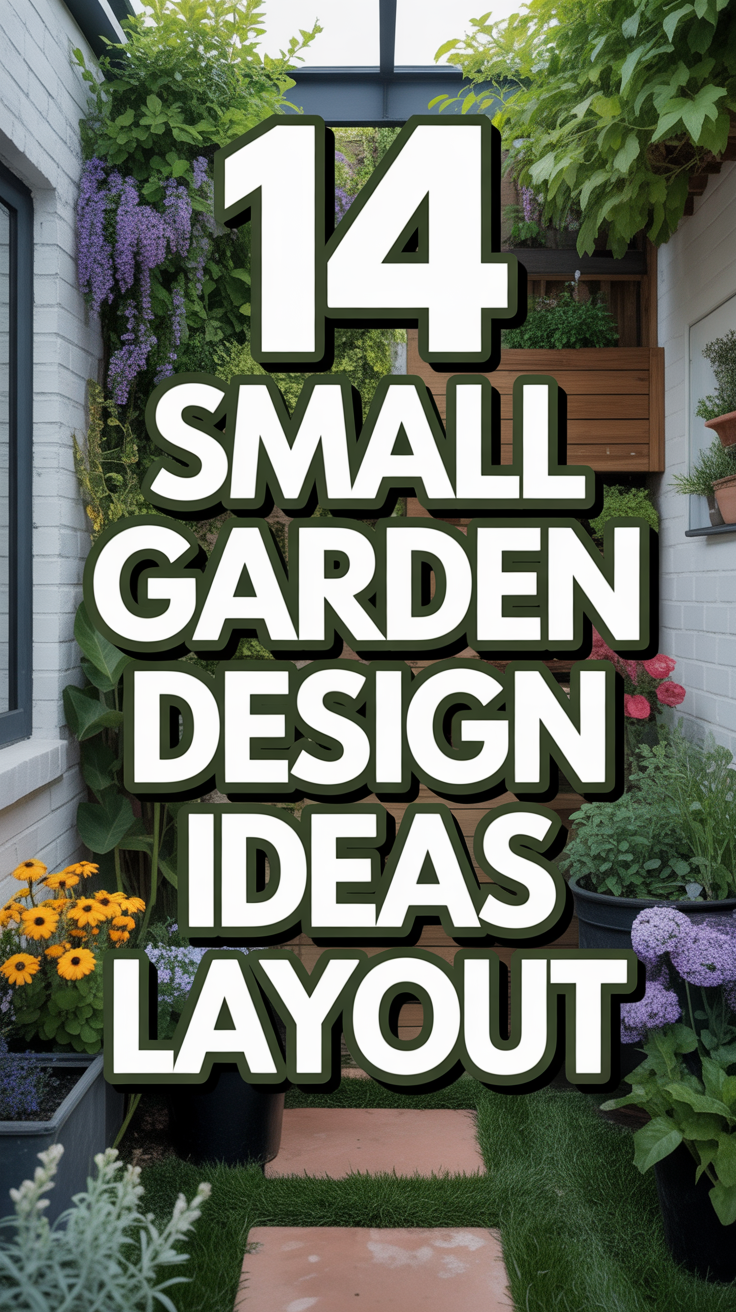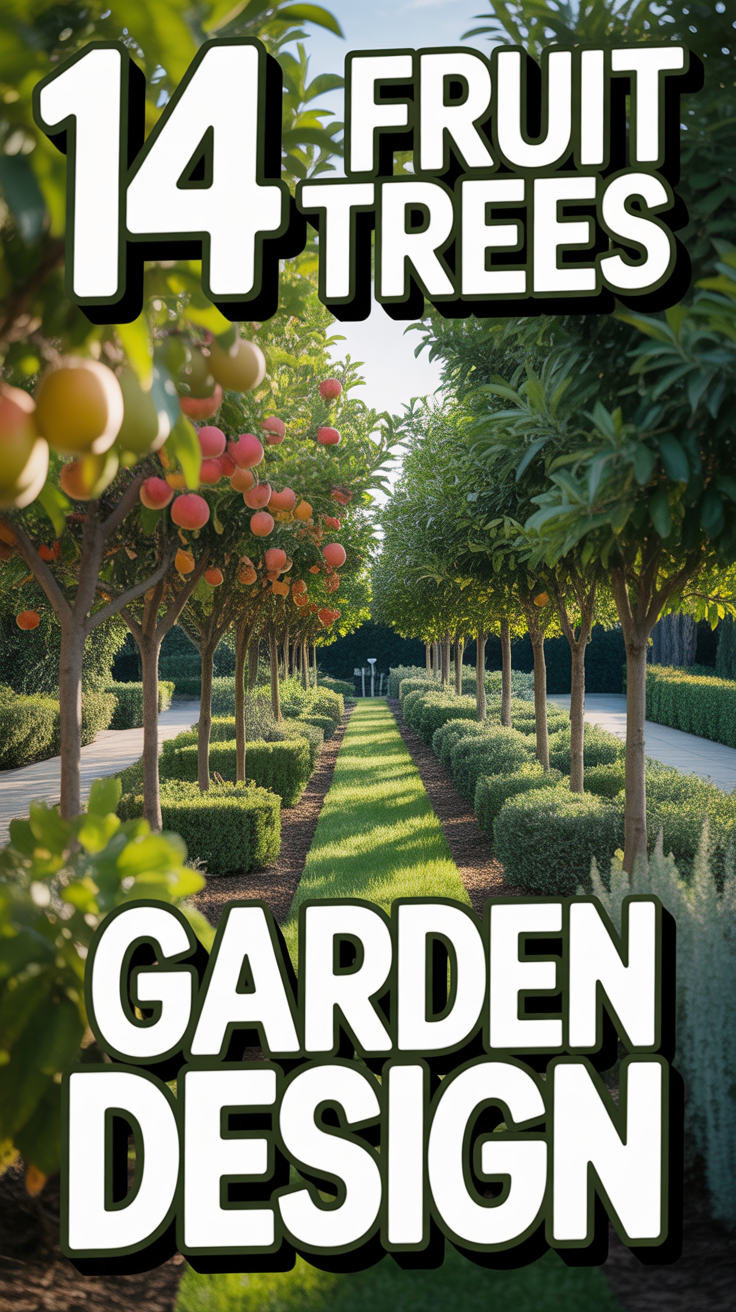
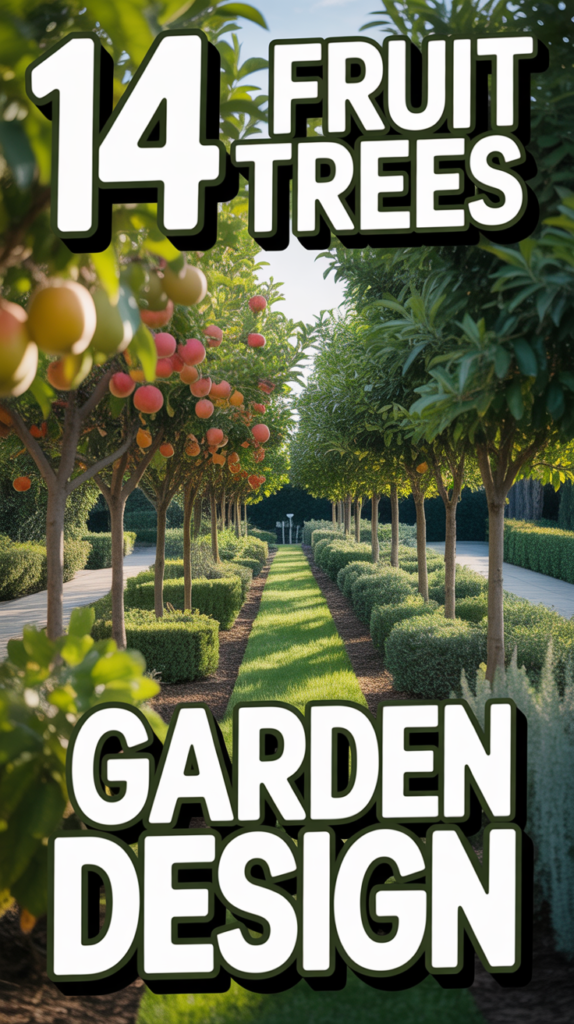
🌳 14 Fruit Trees Garden Design
Alright, listen up, garden-curious pals. Are you still rocking a lawn that’s just… green? And maybe a few flowers that are, dare I say, expected? It’s time to level up your outdoor space from “meh” to “OMG, is that a peach tree in your front yard?” We’re talking about integrating fruit trees into your garden design, not just for the bragging rights (though those are considerable), but for the sheer joy of plucking your own snacks. Get ready to ditch the boring and embrace the bounty, because your garden is about to become the coolest, tastiest spot on the block.
1. Edible Hedgerows
Forget those stuffy privet hedges that just sit there looking prim. We’re talking about a living, breathing, snacking privacy fence. Imagine a boundary made of blueberries, elderberries, or even dwarf apples.
You get privacy, wind protection, and a constant supply of fresh fruit, all while giving the birds a nice little hideaway. Pro tip: Mix evergreen varieties like bay laurel (edible leaves) with deciduous fruiters for year-round structure. It’s basically a grocery store that also keeps your nosy neighbors at bay.
2. Container Orchards
Think you need acres for an orchard? Bless your tiny apartment heart, no! Even a balcony or small patio can host a mini fruit explosion. Dwarf fruit trees thrive in large pots, giving you lemons, figs, or even small apple varieties.
Just pick a pot that’s big enough for growth, ensure good drainage, and remember to water consistently. Pro tip: Use self-watering planters for less fuss, especially if you’re prone to forgetting things (like, uh, watering). You’re basically a fruit-tree landlord, and your tenants pay in deliciousness.
3. Espalier Art
This one’s for the fancy pants among us, or anyone with an empty wall and a desire for edible art. Espalier involves training fruit trees to grow flat against a wall or fence, creating stunning patterns. Pears, apples, and even some stone fruits are perfect for this.
It saves space, looks incredibly chic, and increases fruit exposure to sunlight. Pro tip: Start with young trees and be patient; this is a long-term relationship, not a fling. Your garden will thank you for this sophisticated glow-up.
4. Food Forest Layering
Channel your inner nature guru and design a garden that mimics a natural forest ecosystem. This means planting in layers: tall canopy trees, smaller understory trees, shrubs, groundcovers, and root crops.
Think tall pecans, understory persimmons, berry bushes, and strawberries as groundcover. Pro tip: Focus on plants that support each other, like nitrogen-fixers near heavy feeders. It’s a low-maintenance, high-yield system that practically runs itself.
5. Vertical Gardens
Walls aren’t just for climbing ivy anymore. Imagine a vertical garden bursting with strawberries, bush tomatoes (yes, they’re fruit!), or even compact berry varieties.
These systems are perfect for maximizing space in urban environments or on small patios. Pro tip: Ensure your vertical system has adequate irrigation, as these can dry out quickly. Your walls are about to become the most productive real estate you own.
6. Pollinator Paradise
If you want fruit, you need bees, butterflies, and all their buzzing friends. Design your garden to attract these helpful creatures by including a variety of flowering plants alongside your fruit trees.
Think lavender, borage, and native wildflowers planted around your apple or cherry trees. Pro tip: Avoid pesticides like the plague; your fruit (and the planet) will thank you. It’s a win-win: beautiful blooms for you, a feast for pollinators, and more fruit for everyone.
7. Fairy Tale Walkways
Create an enchanting experience by training flexible fruit trees, like certain apple or pear varieties, over an archway or pergola. Imagine strolling through a tunnel dripping with ripe fruit.
This adds incredible charm and a unique focal point to your garden. Pro tip: Use sturdy supports, because those fruit-laden branches get heavy. Your garden path is about to become a magical, edible journey.
8. Dwarf Fruit Tree Borders
Instead of traditional shrubs, line your pathways or garden beds with dwarf fruit trees. Think miniature citrus, compact peaches, or small fig varieties.
They offer ornamental value with their blossoms and fruit, plus they’re easy to reach for harvesting. Pro tip: Choose varieties known for good disease resistance to keep maintenance low. Who needs boxwood when you can have tiny, fruiting wonders?
9. Permaculture Zones
Design your fruit garden based on how often you interact with different areas. Place high-use items (like herbs and frequently picked berries) closest to your house.
Further out, plant larger fruit trees that need less frequent attention. Pro tip: Map out your zones before planting to optimize for efficiency and enjoyment. It’s all about working smarter, not harder, for maximum deliciousness.
10. The Orchard Lawn
Why mow a boring lawn when you can graze under a canopy of fruit? Replace sections of your grass with carefully spaced fruit trees.
Underplant with clover or low-growing, edible groundcovers for a beautiful, productive, and low-maintenance alternative. Pro tip: Choose dwarf or semi-dwarf varieties to keep them manageable in a lawn setting. Your neighbors will be green with envy (and perhaps a little peckish).
11. Herb Spirals with Fruit
Combine the genius of an herb spiral with a touch of fruit. Plant a small, compact berry bush (like a low-growing blueberry or serviceberry) at the top of your spiral for maximum sun exposure.
Surround it with herbs that thrive in different conditions as you descend the spiral. Pro tip: Ensure good drainage throughout the spiral to keep everyone happy. It’s a compact powerhouse of flavor and fun.
12. Zen Fruit Garden
Embrace minimalist tranquility while still enjoying the bounty. Choose a few elegant fruit trees with beautiful forms, like a weeping mulberry or a perfectly pruned Japanese persimmon.
Surround them with gravel, moss, and strategically placed rocks for a calm, contemplative space. Pro tip: Select varieties that require minimal pruning once established to maintain that serene vibe. Your path to enlightenment might just involve a perfectly ripe plum.
13. Tropical Oasis
If you’re lucky enough to live in a warm climate, go all out with a tropical fruit tree garden. Think mangoes, papayas, guavas, and starfruit.
Layer them for visual interest and to create a microclimate that benefits all. Pro tip: Research cold hardiness zones even in warm climates; a surprising frost can devastate. Your backyard could be a perpetual vacation, complete with fresh-squeezed juice.
14. Integrated Seating Areas
Design your garden so you can actually relax and enjoy your hard-earned harvest. Place benches or a small patio directly under the shade of a mature fruit tree.
Imagine picking a peach and eating it right there, juice dripping down your chin. Pro tip: Choose fruit trees with minimal fruit drop or easy-to-clean-up fruit (like firm apples) for seating areas. It’s about savoring the experience, not just the fruit.
Conclusion
So there you have it, fourteen ways to transform your garden from “just a garden” into an edible wonderland. You’re not just planting trees; you’re cultivating beauty, sustainability, and a seriously impressive snack bar. Go forth, plant some fruit, and prepare to become the envy of every basic landscaper out there. Your taste buds (and your Instagram feed) will thank you.