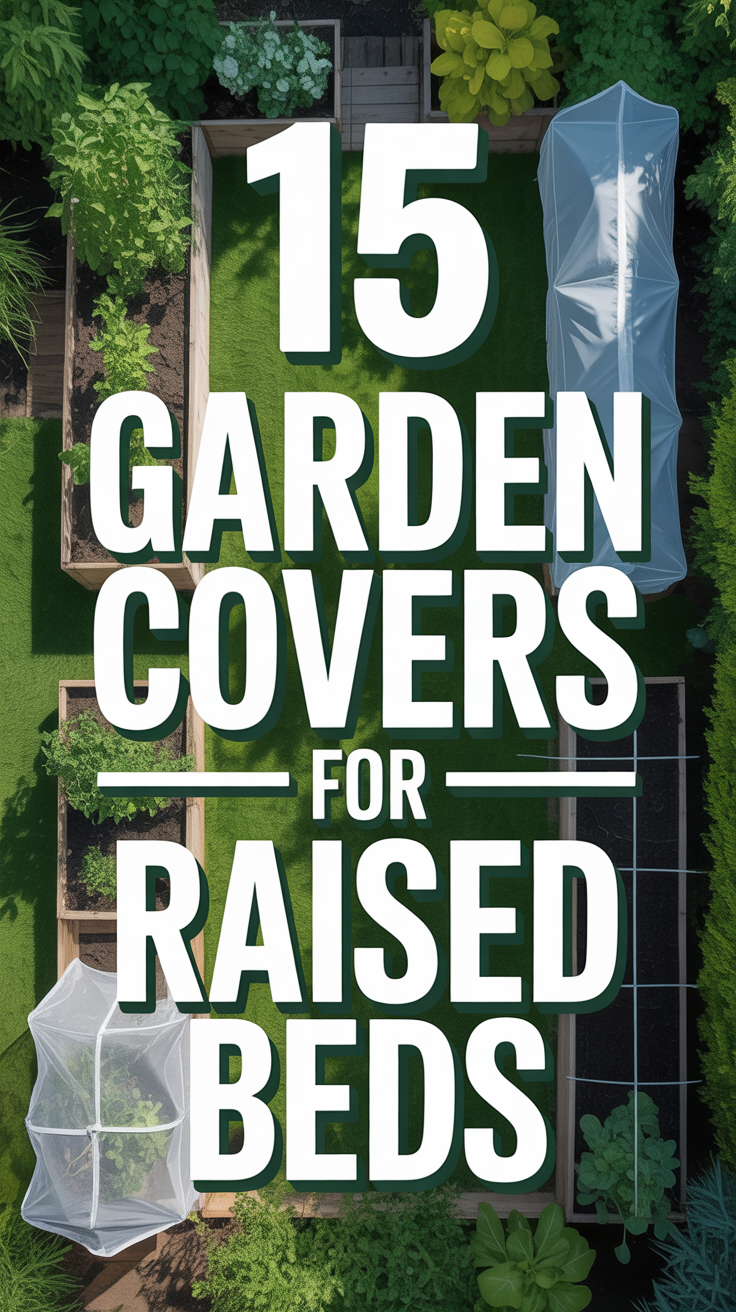
🌿 15 Garden Covers For Raised Beds
Alright, fellow plant whisperers! So, you’ve got those gorgeous raised beds, all primped and ready for action. But let’s be real, Mother Nature can be a total drama queen sometimes, throwing shade (literally) or a surprise frost party. We’re talking about keeping your green babies safe, snug, and thriving, no matter what the sky decides to do. Time to level up your garden game with some seriously cool covers.
1. Floating Row Covers
Ever wish you could just tuck your plants into bed? Well, these lightweight wonders are pretty close! They are super light fabrics that you literally just lay over your plants or drape over hoops.
They let in light and water but keep out those annoying munching pests and offer a decent shield against unexpected frost. Pro tip: Anchor the edges firmly with soil or rocks so they don’t fly off in a gusty wind. Your tender greens will thank you for the cozy, bug-free environment.
2. Hoop Houses/Low Tunnels
Think of these as mini greenhouses for your raised beds, giving your plants that VIP treatment. You typically build an arching frame with PVC pipes or metal hoops, then drape greenhouse plastic or row cover fabric over it.
They create a warmer microclimate, perfect for extending your growing season or getting a head start on spring. Pro tip: Make sure you have a way to vent them on sunny days, otherwise, you’ll accidentally bake your precious produce. It’s like having a custom-fit climate control system right in your backyard.
3. Cold Frames
These are basically little insulated boxes with a transparent top, often made from wood and old windows. They sit right on top of your raised bed, creating a protected micro-environment.
Cold frames are fantastic for hardening off seedlings, overwintering hardy greens, or getting an early jump on spring planting. Pro tip: Angle the top towards the south to maximize sun exposure and heat absorption. It’s a chic, rustic way to defy the seasons.
4. Individual Plant Cloches
Sometimes, you just need to protect one special plant from a sudden chill or a hungry critter. These bell-shaped covers are perfect for that! You pop them directly over the plant.
They offer instant, localized protection and are super easy to move around as needed. Pro tip: Look for ones with adjustable vents to prevent overheating on sunny days. It’s like giving your favorite plant its own personal bodyguard.
5. Shade Cloths
When the summer sun decides to go full intensity, your plants might get a bit crispy. Shade cloths are woven fabrics that reduce the amount of direct sunlight hitting your plants.
They prevent scorching, reduce water evaporation, and keep your heat-sensitive crops happy. Pro tip: Choose a shade percentage (e.g., 30-50%) appropriate for your specific plants and climate. Your lettuce will stop looking so sad and wilted.
6. Insect Netting
Pesky bugs are the absolute worst, right? Insect netting is a fine mesh fabric that keeps out everything from cabbage moths to squash bugs without needing any nasty chemicals.
It’s a physical barrier that allows air and water through, maintaining a healthy environment for your plants. Pro tip: Ensure the netting is securely fastened all around the raised bed to prevent tiny invaders from sneaking underneath. Say goodbye to chewed-up leaves!
7. Bird Netting
Those adorable birds can turn into ravenous monsters when your berries ripen. Bird netting is a wider mesh designed specifically to keep feathered friends from feasting on your harvest.
It’s a humane way to protect your fruits and veggies, letting you enjoy the bounty yourself. Pro tip: Drape it over a simple frame or hoops to prevent birds from getting tangled in the mesh. Your strawberries will thank you for their freedom from avian attacks.
8. Polycarbonate Panels
If you’re looking for something super durable and long-lasting, polycarbonate panels are your go-to. These are rigid, clear plastic sheets that withstand tough weather.
They provide excellent insulation and light transmission, making them ideal for more permanent cold frames or mini greenhouses. Pro tip: Opt for twin-wall panels for even better insulation against cold snaps. This cover means business, protecting your plants for years.
9. DIY PVC Frames
Feeling crafty? PVC pipes are incredibly versatile and inexpensive for building custom frames. You can bend them into hoops or create rectangular structures.
This option gives you total control over the size and shape of your cover, letting you easily swap out different materials like netting or plastic. Pro tip: Use PVC cement for stronger, more permanent joints if you plan to reuse the frame season after season. Your wallet and your plants will both approve.
10. Upcycled Window Frames
Give old windows a new life by turning them into the tops of cold frames. It’s an eco-friendly and super stylish way to create a protective cover for your beds.
They provide excellent light and insulation, plus they add a charming, vintage aesthetic to your garden. Pro tip: Make sure any old windows are lead-free before using them, especially around edible plants. Talk about turning trash into garden treasure!
11. Chicken Wire Cages
When you have bigger pests like rabbits, squirrels, or even the neighborhood cat eyeing your greens, chicken wire is your best friend. You can fashion it into simple cages that sit over your beds.
This physical barrier is robust and allows plenty of light and air to reach your plants. Pro tip: Bury the bottom edge of the wire a few inches into the soil to deter burrowing critters. It’s a no-nonsense approach to keeping your veggies safe.
12. Greenhouse Plastic Sheeting
For a serious boost in warmth and season extension, robust greenhouse plastic sheeting stretched over a frame works wonders. It traps heat efficiently and transmits light beautifully.
This material is thicker and more durable than basic painter’s plastic, designed to withstand UV rays and last multiple seasons. Pro tip: Look for anti-drip properties to prevent condensation from forming and dripping back onto your plants. Your plants will think they’ve moved to a tropical paradise.
13. Tarp Covers
Sometimes you need emergency protection from a sudden, heavy downpour or a surprise hail storm. A simple tarp can be a lifesaver for temporary covering.
While not ideal for long-term use, a tarp offers quick, effective protection from extreme weather events. Pro tip: Create a slight peak with a central support to ensure water runs off and doesn’t pool on top. It’s your garden’s emergency umbrella.
14. Straw Bale Cold Frame
Want a quick, super insulated cold frame without much construction? Stack straw bales around your raised bed and top with an old window or clear panel. It’s surprisingly effective!
Straw bales provide fantastic insulation, keeping your plants toasty even when temperatures drop. Pro tip: Ensure the bales are tightly packed to minimize air gaps and maximize warmth retention. This is pure genius for extending your growing season with minimal effort.
15. Wooden Frame with Hardware Cloth
For a sturdy, attractive, and rodent-proof cover, build a simple wooden frame and staple hardware cloth to it. This creates a strong barrier against critters large and small.
It’s more permanent than netting and offers superior protection against chewers like voles and mice, while still allowing plenty of light and air. Pro tip: Use rust-resistant screws and hardware cloth for a cover that will truly last. Your garden will look sharp and stay safe.
Conclusion
So there you have it, folks! From fancy fabrics to clever DIY hacks, protecting your raised bed bounty doesn’t have to be a chore. You’re not just covering plants; you’re investing in a longer growing season, healthier veggies, and a whole lot less stress.
Go forth, embrace your inner garden architect, and give your plants the five-star treatment they totally deserve. Happy growing, you magnificent green thumb!