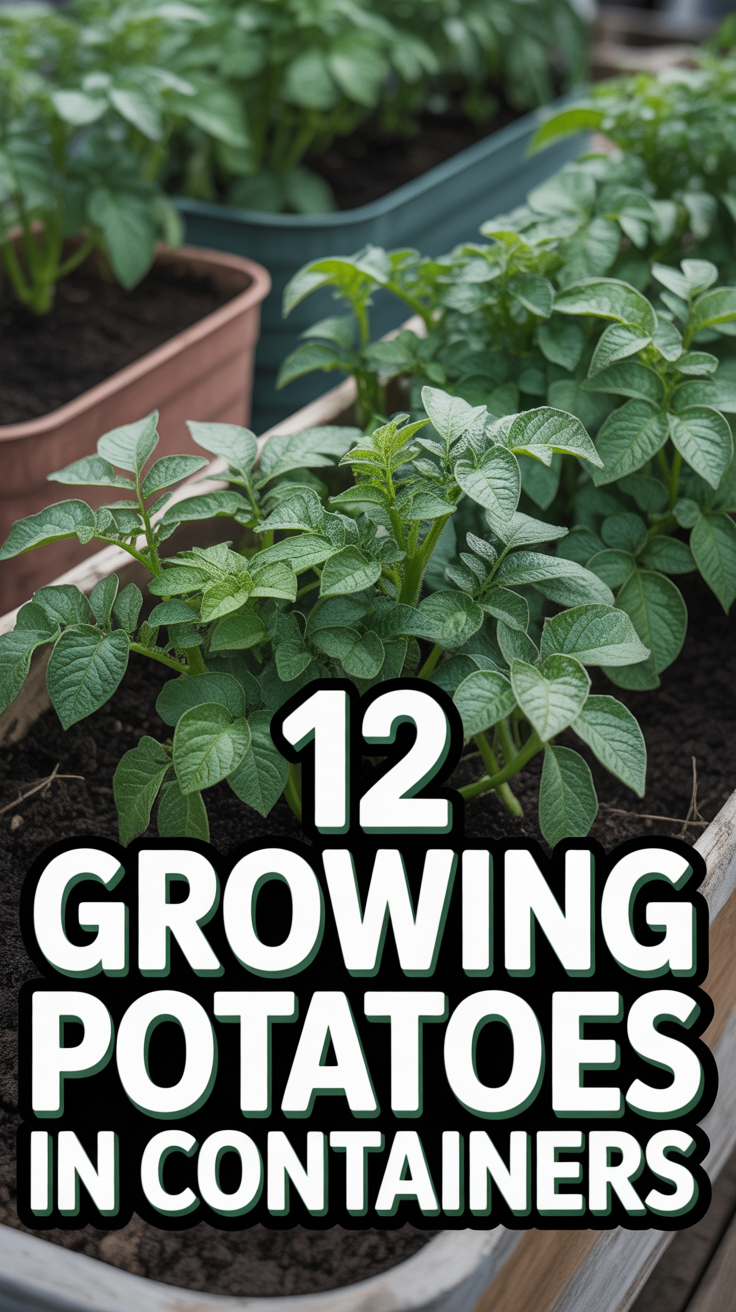
🥔 12 Growing Potatoes In Containers
👩🌾 The Master Gardener's Starter Kit
Having a healthy, thriving garden is ten times easier when you aren't fighting with cheap tools. These are the 5 rugged, reliable gardening essentials that experienced landscapers and passionate home gardeners swear by to save time, protect their joints, and get better yields.
✂️ Felco F-2 Classic Manual Pruners
The legendary "buy it for life" pruning shears. Cheap pruners crush stems and spread disease, but these Swiss-made, razor-sharp bypass pruners slice cleanly through thick branches and rose bushes effortlessly. Every single part is replaceable, making it a true lifetime investment.
💧 XLUX Soil Moisture Meter
Overwatering is the number one reason plants die. This simple, battery-free probe completely removes the guesswork from your watering schedule. Just stick it in the soil at root level to instantly know exactly when your veggies, flowers, or houseplants are actually thirsty.
🐍 Flexzilla Heavy Duty Garden Hose
Stop wrestling with stiff, heavy rubber hoses that pinch and cut off water flow. This incredibly lightweight, high-visibility green hose lays completely flat, never kinks under pressure, and is surprisingly easy to coil back up—even in freezing weather.
🧘♀️ Extra Thick High-Density Kneeling Pad
Gardening shouldn't mean suffering joint pain for three days afterward. This ultra-thick, water-resistant foam pad absorbs rocks, roots, and uneven ground, protecting your knees whether you're pulling weeds for five minutes or planting bulbs all afternoon.
🧤 Pine Tree Tools Bamboo Garden Gloves
Finally, a glove that protects hands without making you lose your dexterity. These breathable bamboo-fiber gloves fit like a second skin, allowing you to handle delicate seedlings or grip muddy tools securely while keeping dirt from packing under your fingernails.
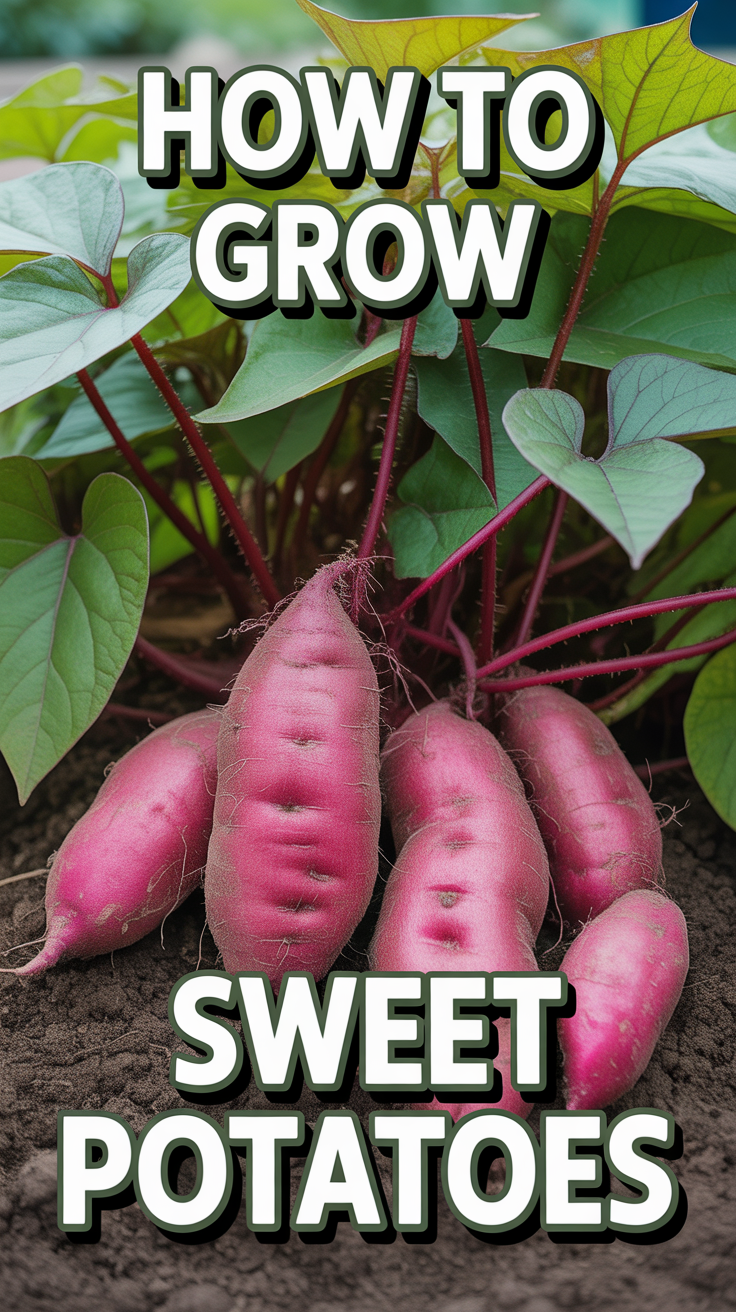
Alright, urban gardeners and patio enthusiasts, gather ’round. Ever dreamt of pulling fresh, earthy potatoes from your own backyard (or balcony, no judgment)? Well, buckle up, buttercup, because growing potatoes in containers is not just totally doable, it’s surprisingly chic. We’re talking fresh spuds without the whole “digging up the entire lawn” drama. Let’s ditch the dirt-under-the-fingernails fear and get you harvesting some homegrown gold. Your future self, slathering butter on a warm potato, will thank you.
1. Choose Your Digs Wisely
Picking the right container is step one, obviously. You wouldn’t put a mansion in a shoebox, right? Potatoes need space to stretch out those tubers. Think big: 10-gallon capacity or more per plant is a good rule of thumb. Fabric grow bags, large terracotta pots, even sturdy garbage cans (with drainage holes, please) work wonders.
Pro tip: Darker containers can heat up faster, which potatoes aren’t always thrilled about. Opt for lighter colors or fabric bags to keep things cool. This ensures your spuds don’t get heat stress, leading to a happier harvest.
2. Get Your Spuds in Order
Don’t just grab any old potato from the grocery store – those are often treated to prevent sprouting. We want spuds that are ready to party. Look for certified seed potatoes from a garden center. They’re disease-free and designed to sprout.
Before planting, let them “chit” or sprout in a cool, bright spot for a week or two. This gives them a head start. Trust us, a strong start means less drama later.
3. Pick the Perfect Sun Spot
Potatoes are sun worshippers, pure and simple. They need at least 6-8 hours of direct sunlight daily to really thrive. No shady corners for these guys. Think of it as their tanning session for maximum tuber development.
Position your containers where they’ll soak up those rays. Moving containers can be a workout, but it’s worth it for a bumper crop. More sun equals more potatoes, simple math.
4. Soil is Your Secret Weapon
This isn’t just any dirt; it’s a potato’s luxury spa. You need loose, well-draining, and nutrient-rich soil. A good quality potting mix blended with some compost is ideal. Avoid heavy garden soil that compacts easily, because potatoes hate feeling squished.
Pro tip: Add a handful of perlite or vermiculite for extra drainage and aeration. Happy roots mean happy spuds.
5. Plant with Precision
Start with about 4-6 inches of your glorious soil mix at the bottom of your container. Place 1-2 seed potatoes (or pieces with at least 2 “eyes”) on top, eyes facing upwards. Cover them with another 4-6 inches of soil. Don’t overdo it at this stage.
This initial shallow planting sets the stage for future growth. It’s like laying the foundation for a tiny underground empire.
6. The Art of Hilling
This is where the magic happens and your potato yield really takes off. As your potato plants grow to about 6-8 inches tall, you’ll “hill” them by adding more soil or compost around the stems, leaving just the top few sets of leaves exposed. Repeat this process as they grow.
Why do this? New potatoes form on the underground stem, so adding more soil encourages more stem, which means more potatoes. It’s like giving them extra floors to build their potato high-rise.
7. Water Wisely, Not Wildly
Potatoes love consistent moisture but absolutely despise soggy feet. Keep the soil consistently damp, like a wrung-out sponge, but never waterlogged. Stick your finger in the soil; if it feels dry an inch or two down, it’s time to water.
Good drainage is non-negotiable. Overwatering can lead to rot and disappointment. Hydrated plants are productive plants.
8. Feed Your Tubers
Your potatoes are hungry little things, especially since they’re working hard to produce delicious tubers. About two weeks after sprouting, and then every 2-3 weeks, give them a boost with a balanced liquid fertilizer or a granular organic option. Look for something with slightly higher phosphorus and potassium.
This ensures they have all the nutrients they need for robust growth. Think of it as their performance-enhancing smoothie.
9. Pest and Disease Patrol
Even in containers, unwelcome guests can show up. Keep an eye out for potato beetles, aphids, or signs of blight (dark spots on leaves). Early detection is key. Hand-picking beetles or using insecticidal soap for aphids can save your crop.
Good air circulation, especially with hilling, helps prevent fungal issues. A vigilant gardener is a successful gardener.
10. Harvesting Hints
Patience, grasshopper. Potatoes are usually ready for harvest when the foliage begins to yellow and die back, typically 70-120 days after planting, depending on the variety. For “new potatoes,” you can gently “rob” a few small ones from the sides of the container earlier.
When the time comes, simply tip the container over onto a tarp and enjoy the treasure hunt. It’s like digging for gold, but tastier.
11. Storage Savvy
Once harvested, let your potatoes “cure” for about two weeks in a cool, dark, well-ventilated spot. This toughens their skins and improves storage life. After curing, store them in a cool (45-50°F), dark place, like a basement or pantry.
Avoid direct light, which can turn them green and bitter. Proper storage means enjoying your hard work for months.
12. The Variety Show
Don’t limit yourself! There’s a whole world of potatoes out there beyond the standard russet. Explore different varieties:
- Yukon Gold: Buttery, all-purpose.
- Red Norland: Great for mashing or boiling.
- Fingerlings: Gourmet, nutty flavor.
- Kennebec: Excellent for frying.
Each offers a unique flavor and texture profile, making your container garden an exciting culinary experiment. Try a few and find your favorite!
🪴 The Plant Parent Oasis Build
Taking your indoor jungle or backyard patio to the next level requires more than just water and sunlight. These 5 aesthetic and highly functional accessories are what interior designers and green-thumb experts use to help plants thrive while looking visually stunning.
💡 SANSI Full Spectrum LED Grow Light Bulb
The secret to keeping monsteras and fiddle leaf figs exploding with new growth even in dark apartments. These powerful LED bulbs fit into standard decorative lamps, providing intense, natural daylight mimicry without the ugly purple hue of cheap grow lights.
🌳 Planters' Choice Bonsai Starter Kit
A beautiful introduction to the art of bonsai. This wildly popular kit comes with everything you need—seeds, soil pucks, clippers, and biodegradable pots—to grow four different types of miniature trees from scratch. It's a deeply rewarding and meditative project.
🪵 Elevated Cedar Raised Garden Bed
The perfect solution for growing fresh herbs and tomatoes on a patio or balcony. Standing waist-high, it completely eliminates the need for bending and weeding, while the beautiful, rot-resistant cedar construction instantly upgrades the look of any outdoor space.
✨ Vintage Brass Glass Plant Mister
Tropical plants like ferns and calatheas desperately need humidity, but you don't have to use an ugly plastic spray bottle. This gorgeous, vintage-inspired glass mister delivers a fine fog to keep leaves healthy, and it looks beautiful displayed on a shelf among your pots.
🏺 Terracotta Self-Watering Spikes
Never come home from a vacation to dead, crispy plants again. Simply push these porous terracotta spikes into the soil and insert any recycled glass bottle filled with water. The clay automatically releases moisture at the exact rate the soil dries out!
Conclusion
See? Growing potatoes in containers isn’t just for seasoned farmers; it’s totally achievable for anyone with a sunny spot and a desire for fresh, homegrown goodness. You’ll not only get to enjoy delicious, organic spuds, but you’ll also have bragging rights to the coolest container garden on the block. So go ahead, get your hands a little dirty. Your taste buds (and your inner urban farmer) will thank you. Now, who’s ready for some potato salad?