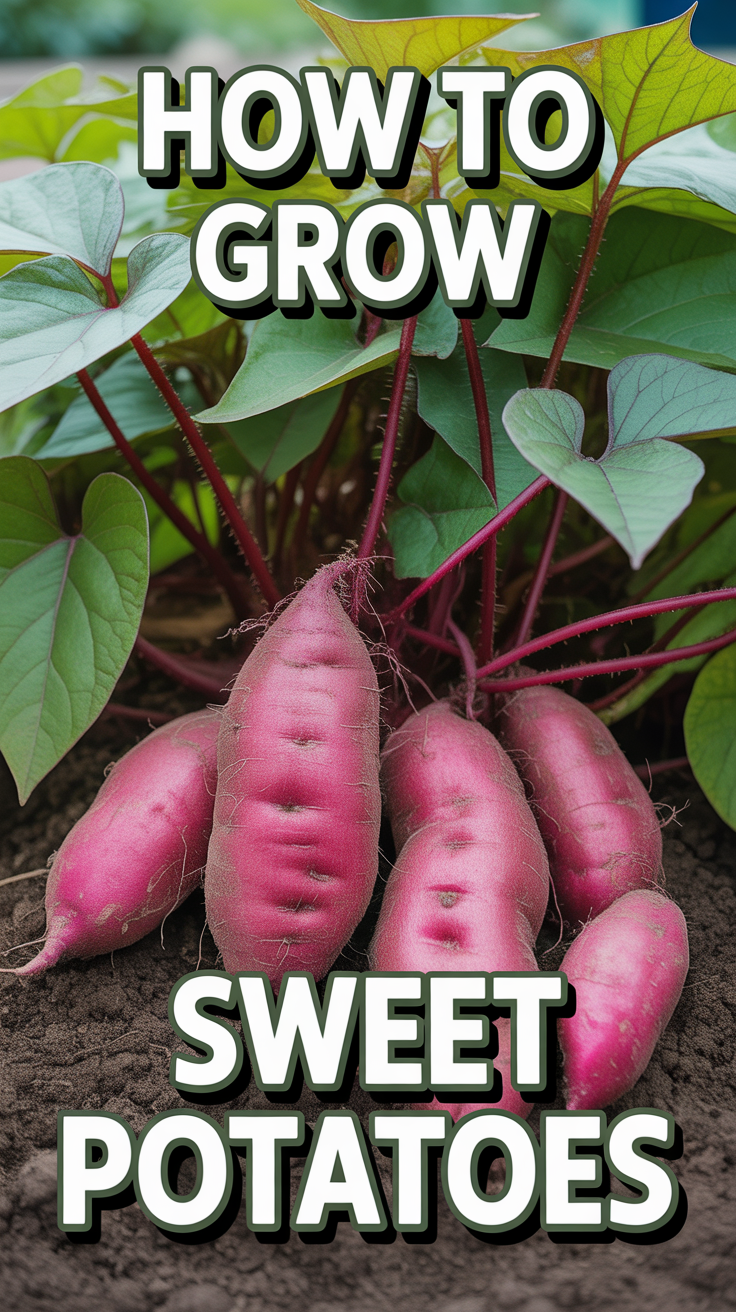
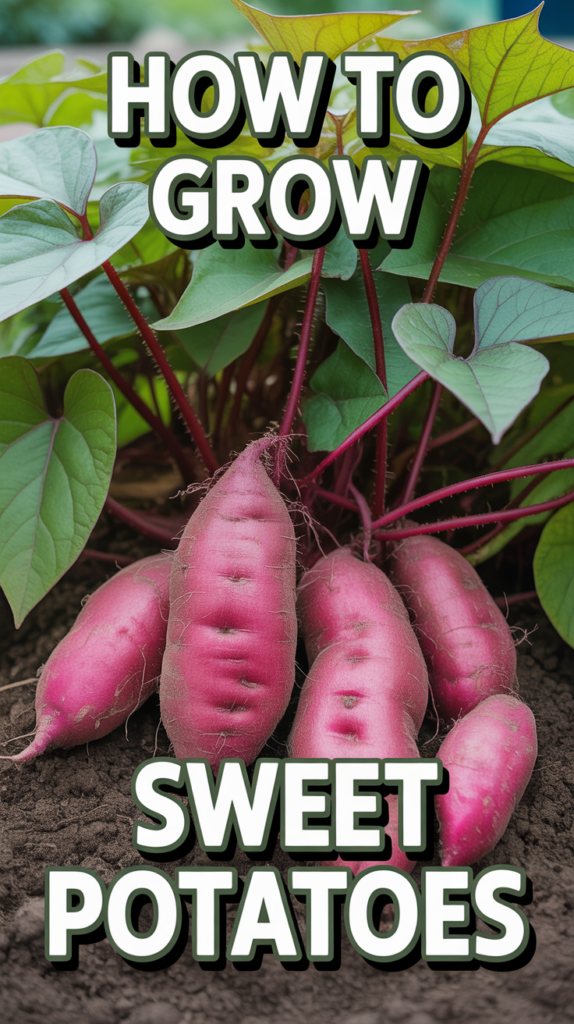
🍠 How To Grow Sweet Potatoes
Imagine stepping out onto your patio, the morning sun warming your skin, and seeing lush, vibrant green vines spilling from containers or weaving through your flower beds. Beneath the surface, the earth is working its magic, preparing a harvest of sweet, nutritious treasures just for you. Growing sweet potatoes isn’t just about cultivating a crop; it’s about connecting with nature, beautifying your outdoor spaces, and savoring the unparalleled flavor of food grown with your own hands. This guide will show you how to bring this dream to life, transforming a sunny spot into a haven of edible beauty.
Quick Overview
Growing sweet potatoes is a remarkably rewarding journey, culminating in a delicious harvest and a stunning display of foliage throughout the growing season. You’ll learn how to transform a simple “slip” into a bountiful crop, perfect for everything from backyard feasts to decorative landscaping.
Time needed: 15-30 minutes for initial planting per bed/container, then 5-10 minutes weekly for care over 3-4 months.
Difficulty: Beginner
What you’ll need: Sweet potato slips, well-draining soil, a sunny spot, watering can/hose, optional compost/fertilizer, gardening trowel.
Step-by-Step Instructions
Step 1: Choose Your Sweet Potato Variety and Source Slips
The journey to homegrown sweet potatoes begins with selecting the right variety and acquiring your “slips.” Sweet potatoes come in a delightful array of skin and flesh colors – from the classic orange ‘Beauregard’ and ‘Covington’ to purple-fleshed ‘Okinawan’ or white ‘Hannah.’ Consider whether you prefer a bush variety, perfect for smaller spaces and containers, or a vining type, which offers prolific ground cover and a dramatic spill-over effect in raised beds or hanging baskets.
Slips are essentially sprouts grown from a mature sweet potato, ready to be planted. You can purchase them from garden centers or online nurseries, often in bundles of 10 or 25. This is the quickest and most reliable method for beginners.
Pro tip: For a fun, budget-friendly DIY project, you can grow your own slips! Suspend a sweet potato (organic works best) halfway in a jar of water using toothpicks, placing it in a warm, sunny window. In a few weeks, sprouts will emerge. Once they’re about 4-6 inches long with several leaves, gently twist or cut them off, ensuring a small “heel” of the potato remains if cutting. Place these slips in a separate jar of water for a week or two until roots form, then they’re ready for planting. This method is incredibly satisfying and a wonderful activity to do with kids, watching life emerge from a simple tuber.
Step 2: Time Your Planting and Prepare Your Site
Sweet potatoes are heat-loving plants, thriving in long, warm growing seasons. They are extremely sensitive to frost, so timing is crucial. Wait until all danger of frost has passed in your area and the soil temperature consistently reaches at least 60°F (15°C), ideally closer to 65-70°F (18-21°C). This usually means late spring or early summer, typically 2-4 weeks after your last expected frost date. For most gardeners in USDA Zones 8-11, this is a straightforward process, but even in cooler zones (e.g., Zone 6-7), with careful timing and potentially raised beds or black plastic mulch to warm the soil, you can achieve success.
Sweet potatoes demand full sun – at least 6-8 hours of direct sunlight per day – to produce abundant tubers. Choose a location in your vegetable garden, a dedicated raised bed, or a sunny corner of your patio that receives ample light throughout the day.
The soil is paramount for sweet potato development. They prefer loose, well-draining, sandy loam with a slightly acidic to neutral pH (5.8-6.8). Avoid heavy clay soils, which can lead to malformed tubers and rot. Amend your chosen spot generously with aged compost or other organic matter to improve drainage and fertility. If planting in containers, use a high-quality potting mix blended with some perlite for extra drainage. Raised beds are an excellent option as they warm up faster in spring and allow for perfect soil customization.
Pro tip: To warm up your soil faster in cooler climates, lay down black plastic mulch over your planting area a few weeks before you intend to plant. The black plastic absorbs sunlight, heating the soil beneath and giving your sweet potato slips a jump start. Plus, it helps suppress weeds!
Step 3: Plant Your Sweet Potato Slips with Care
Once your slips have developed roots (if DIY) and the soil is warm and ready, it’s time for planting! Dig a hole deep enough to bury the slip up to its top leaves, ensuring at least 2-3 nodes (the bumps where leaves or roots emerge) are beneath the soil surface. Space vining varieties about 12-18 inches apart in rows that are 3-4 feet apart to allow for their sprawling growth. Bush varieties can be planted slightly closer, around 10-12 inches apart.
Gently place each slip into its hole, making sure the roots are pointing downwards. Backfill with soil, gently firming it around the slip to remove air pockets. Water thoroughly immediately after planting to help settle the soil and reduce transplant shock. Don’t worry if the slips look a little droopy for the first few days; they’re just adjusting to their new home.
Pro tip: For a truly Pinterest-worthy garden, integrate sweet potato vines into your ornamental landscaping! Their beautiful heart-shaped leaves come in shades of chartreuse, deep purple, and variegated patterns, making them stunning ground covers in flower beds, trailing plants in hanging baskets, or “spillers” in container arrangements. Imagine chartreuse sweet potato vines tumbling gracefully over the edge of a terracotta pot on your backyard patio, interspersed with bright petunias or calibrachoas. Not only are they beautiful, but they’re also producing a delicious harvest!
Step 4: Water Consistently and Fertilize Thoughtfully
Consistent moisture is key for sweet potatoes, especially during the initial establishment phase and when the tubers are actively forming. Aim for about 1 inch of water per week, either from rainfall or irrigation. During hot, dry spells, you may need to water more frequently. However, avoid overwatering, which can lead to rot; the soil should be moist, not soggy. As the plants mature and the tubers begin to swell, slightly reduce watering to encourage the potatoes to “cure” in the ground, which can improve their storage qualities.
Sweet potatoes are not heavy feeders, especially if your soil was well-amended with compost. However, a balanced organic fertilizer or one slightly higher in phosphorus and potassium (the “P” and “K” in N-P-K) can encourage tuber development rather than excessive foliage. Apply a slow-release granular fertilizer at planting or a liquid feed every few weeks during the peak growing season. Avoid high-nitrogen fertilizers, which will produce beautiful leafy vines but potentially fewer, smaller tubers.
Step 5: Manage Weeds and Pests Naturally
Weeds compete with sweet potatoes for water, nutrients, and sunlight, so keeping your planting area clear is important, especially when the plants are young. Once the sweet potato vines begin to spread, they typically form a dense canopy that shades out most weeds, acting as a natural living mulch.
For initial weed control, consider applying a layer of organic mulch, such as straw or shredded leaves, around your young slips. This not only suppresses weeds but also helps retain soil moisture and regulate soil temperature.
Sweet potatoes are generally quite resilient to pests and diseases. The most common issues might be slugs or snails in damp conditions, which can be managed with organic slug baits or hand-picking. The sweet potato weevil can be a serious pest in warmer, humid climates (like Florida or parts of the Gulf Coast), but it’s less common in temperate zones. Healthy soil and strong plants are your best defense against most problems. Companion planting with herbs like thyme or rosemary can also deter some pests while adding a lovely fragrance to your garden.
Step 6: Monitor Vine Growth and Optional Pruning
Sweet potato vines can be incredibly vigorous, sprawling across your garden space. This extensive foliage is vital for photosynthesis, which fuels tuber development underground. For this reason, avoid excessive pruning. However, if vines are encroaching on pathways or other plants, you can trim them back without significantly impacting your harvest. The trimmed vines themselves are edible and make a nutritious addition to stir-fries or salads!
Some gardeners believe that occasionally lifting the vines to prevent them from rooting at the nodes along their length can encourage more energy to go into the primary tubers. While this isn’t strictly necessary, it can be a fun experiment. Simply walk through your patch every few weeks and gently lift any vines that have started to root.
Pro tip: For small space gardening or container growing, choose bush varieties or train vining types vertically on a small trellis or obelisk. This not only saves space but also creates a beautiful, leafy green focal point on your patio or balcony. Imagine a vibrant green sweet potato vine climbing a rustic bamboo trellis, adding a touch of edible elegance to your outdoor living area.
Step 7: Know When and How to Harvest Your Bounty
Patience is a virtue when it comes to sweet potatoes! Most varieties take 90-120 days from planting slips to harvest, depending on your climate and the specific variety. The best time to harvest is typically before the first hard frost in your area. A light frost might nip the leaves, signaling it’s time to dig, but a hard frost can damage the tubers underground.
Look for signs of maturity: the vines may start to turn slightly yellow, though often they remain green and vigorous until the very end. The most reliable method is to gently dig around a plant to check the size of a few tubers. Once they’ve reached a desirable size (usually 4-6 inches long), it’s time for the main harvest.
To harvest, choose a dry day. Start by carefully cutting back the vines to about 6 inches from the main stem. Then, using a digging fork or spade, begin digging several inches away from the main plant to avoid damaging the tubers. Sweet potatoes can spread quite a bit, so dig broadly and deeply. Gently lift the entire plant, brushing off excess soil. Handle the tubers carefully, as their skin is very delicate at this stage and easily bruised.
Step 8: Cure Your Sweet Potatoes for Sweetness and Storage
This is perhaps the most crucial step for developing that characteristic sweet flavor and ensuring long-term storage. Freshly dug sweet potatoes are often starchy and bland. Curing transforms starches into sugars and toughens their skins, making them sweeter and extending their shelf life for months.
To cure, lay your sweet potatoes in a single layer in a warm, humid environment (80-85°F / 27-29°C with 85-90% humidity) for 5-10 days. A shed, garage, or even a warm room with a humidifier can work. After curing, store them in a cool, dark, well-ventilated spot (55-60°F / 13-15°C) like a basement or pantry. Do not store them in the refrigerator, as this can damage them and alter their flavor. When properly cured and stored, your homegrown sweet potatoes can last for 6-12 months, allowing you to enjoy your harvest throughout the winter.
Pro tip: To create a “Pinterest-worthy” storage display, use rustic wooden crates or woven baskets in your pantry or basement. This not only keeps your sweet potatoes organized but also adds a charming, farmhouse-chic aesthetic to your home.
Common Mistakes to Avoid
Even though sweet potatoes are quite forgiving, a few common pitfalls can hinder your success.
1. Planting Too Early or in Cold Soil: Sweet potatoes are tropical plants. Planting them when soil temperatures are below 60°F (15°C) will stunt their growth, stress the plant, and significantly reduce yield.
Why it’s problematic: Cold soil causes slips to struggle, turn yellow, and often rot before they can establish.
Correct approach: Wait until all danger of frost is past and soil temperatures are consistently above 60°F, ideally 65-70°F. Use a soil thermometer to be sure.
2. Over-fertilizing with Nitrogen: While other vegetables love nitrogen for leafy growth, too much nitrogen for sweet potatoes means beautiful, lush vines but few, small tubers.
Why it’s problematic: Nitrogen promotes foliage growth at the expense of root (tuber) development.
Correct approach: Amend soil with compost before planting. If fertilizing, use a balanced organic fertilizer or one slightly higher in phosphorus and potassium (the middle and last numbers in N-P-K).
3. Improper Harvesting Technique: Digging too close to the main stem or being too rough can damage the delicate skin of the tubers, making them susceptible to rot.
Why it’s problematic: Bruised or cut sweet potatoes won’t cure properly and will spoil quickly.
Correct approach: Cut back vines, then dig widely and deeply, several inches away from the main stem. Use a digging fork to gently loosen the soil, then carefully unearth the tubers by hand.
4. Skipping the Curing Process: Many beginners skip curing, leading to bland, short-lived sweet potatoes.
Why it’s problematic: Uncured sweet potatoes lack sweetness and have thin skins, leading to rapid spoilage.
Correct approach: Follow the curing steps diligently (warm, humid environment for 5-10 days) to convert starches to sugars and toughen skins.
Troubleshooting
1. Poor Tuber Development / Small Harvest:
Issue: Your plants look healthy, but the harvest is disappointing.
Solution: This is often due to insufficient sunlight (less than 6 hours), cold soil temperatures, too much nitrogen fertilizer, or too short a growing season. Ensure full sun, plant only when soil is warm, and adjust fertilization. If your season is short, consider starting slips earlier indoors or using raised beds to warm the soil.
2. Pests Chewing on Leaves or Tubers:
Issue: Holes in leaves or tunnels in tubers.
Solution: For leaf damage, identify the pest (slugs, Japanese beetles, caterpillars) and use appropriate organic controls like hand-picking, neem oil, or Bacillus thuringiensis (Bt) for caterpillars. For tuber damage, it might be wireworms, voles, or sweet potato weevils. Crop rotation, ensuring good drainage, and keeping the area free of plant debris can help. In severe cases of weevils, consult local extension services for specific advice.
3. Yellowing Leaves:
Issue: Leaves are turning yellow prematurely.
Solution: Yellowing can indicate several things: overwatering (leading to root rot), underwatering (especially in hot, dry weather), or a nutrient deficiency. Check soil moisture – it should be consistently moist but never waterlogged. If watering seems fine, a balanced liquid feed might help. If it’s late in the season, a slight yellowing can be a natural sign that the plant is winding down before harvest.
Key Takeaways
Timing is Everything: Plant sweet potato slips only after all danger of frost has passed and soil temperatures are consistently warm (60-70°F).
Sun and Soil are Crucial: Provide at least 6-8 hours of full sun and loose, well-draining, compost-rich soil.
Start with Slips: Acquire healthy slips from a nursery or DIY your own for a fun project.
Water Wisely: Maintain consistent moisture, especially during establishment and tuber formation, but avoid overwatering.
Don’t Over-Nitrogen: Use balanced or phosphorus/potassium-rich fertilizers, not high nitrogen, to encourage tubers over foliage.
Harvest Before Frost: Dig your sweet potatoes carefully before the first hard frost, typically 90-120 days after planting.
Cure for Sweetness: Cure newly harvested sweet potatoes in a warm, humid environment to enhance flavor and storage life.
* Embrace the Beauty: Sweet potato vines are not just productive; they’re stunning ornamental plants perfect for landscaping and container gardening.
Frequently Asked Questions
When is the best time to plant sweet potatoes?
The best time to plant sweet potatoes is in late spring to early summer, after all danger of frost has passed and the soil temperature has warmed to at least 60°F (15°C), ideally 65-70°F (18-21°C). This typically means a few weeks after your last expected frost date.
Can I grow sweet potatoes in a pot or container?
Absolutely! Sweet potatoes are excellent for container gardening, especially bush varieties. Choose a large container (at least 15-20 gallons or 18-24 inches in diameter) with good drainage. Fill with a high-quality potting mix and ensure it receives full sun. The vines will beautifully trail over the edges, making them perfect for backyard patios or small space gardening.
How long does it take for sweet potatoes to grow until harvest?
Most sweet potato varieties take between 90 to 120 days from planting slips to reach maturity and be ready for harvest. The exact time depends on the variety and your local climate conditions.
What exactly are “slips” and why do I need them?
Sweet potato “slips” are sprouts or young plants that grow from a mature sweet potato. Unlike regular potatoes, which are grown from seed potato pieces, sweet potatoes are grown from these slips. They are essentially clones of the parent potato, ensuring you get the desired variety. You can buy them or easily grow your own from a store-bought sweet potato.
What’s Next?
You now have the knowledge and confidence to embark on your sweet potato growing adventure! Imagine the satisfaction of digging up your own vibrant, flavorful tubers, knowing they came straight from your garden. Don’t stop there! Once you’ve mastered sweet potatoes, consider exploring other heat-loving edibles like melons, peppers, or okra, or dive deeper into creating an edible landscape by interplanting herbs and flowers with your vegetables.
Take a moment to plan your perfect sweet potato patch – whether it’s a dedicated bed, a series of beautiful containers on your patio, or elegant vines weaving through your flower beds. Gather your supplies, choose your favorite variety, and get ready to enjoy the incredible bounty and beauty that homegrown sweet potatoes bring. Your thriving, Pinterest-worthy garden awaits!