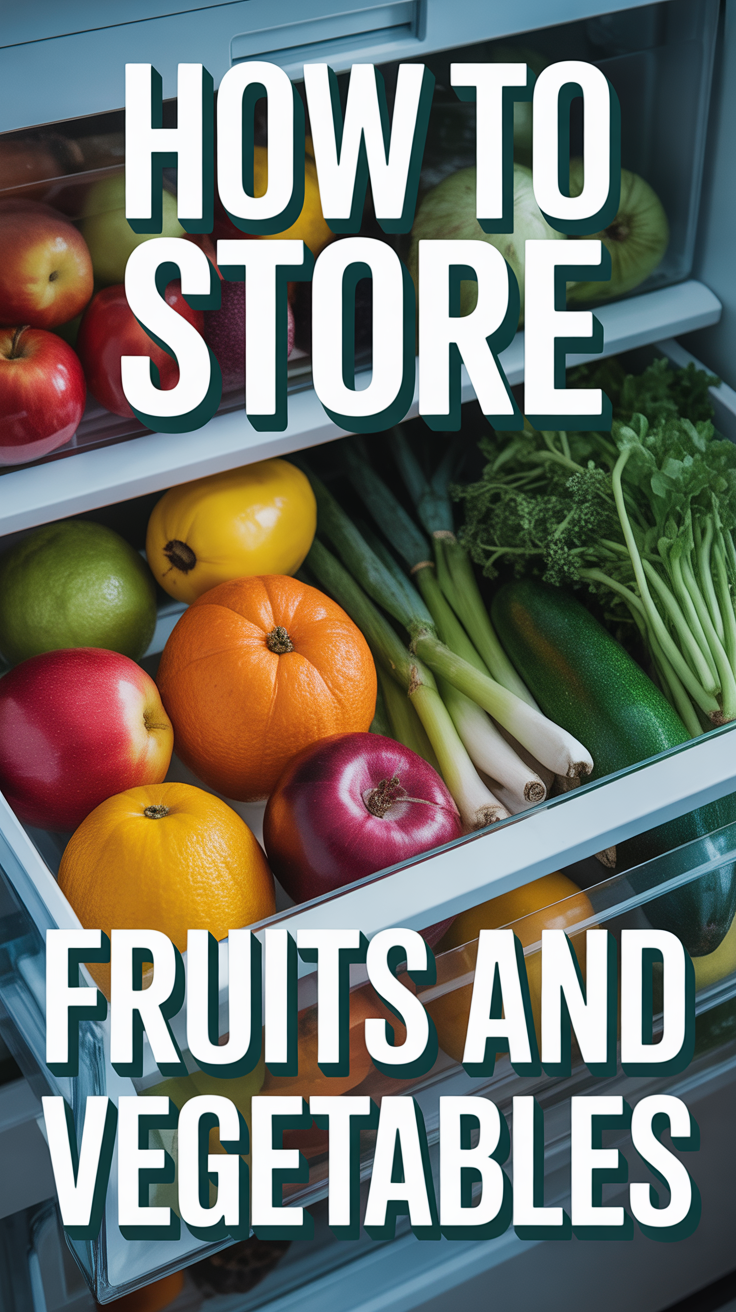
🍎 How To Store Fruits And Vegetables
Imagine stepping into your garden, basket in hand, the morning dew still clinging to vibrant green leaves, and plucking sun-ripened tomatoes, crisp lettuce, or earthy carrots. There’s an unparalleled joy in harvesting your own bounty, or even bringing home a treasure trove from the local farmers market. But the magic doesn’t end when the produce leaves the soil; it continues in your kitchen, where proper storage ensures every precious fruit and vegetable retains its peak flavor, nutrition, and freshness, extending the garden’s embrace long after harvest day.
Quick Overview
This guide will empower you to transform your kitchen into a sanctuary for fresh produce, minimizing waste and maximizing enjoyment. You’ll learn the secrets to keeping your fruits and vegetables vibrant, crisp, and delicious for as long as possible, whether they come from your thriving backyard garden or the grocery store aisle.
Time needed: Approximately 30-60 minutes for initial setup and organization, then just minutes daily for maintenance.
Difficulty: Beginner
What you’ll need: Refrigerator space, pantry or cool, dark area, breathable storage bags (mesh, cloth), airtight containers, paper towels, and perhaps a few decorative baskets for countertop beauty.
Step-by-Step Instructions
Step 1: Understand Your Harvest’s Unique Needs
Just like different plants thrive in varying light and soil conditions, fruits and vegetables have distinct preferences for their post-harvest environment. Before you even think about where to put them, take a moment to consider their natural habitat and how they were grown. Was it a root vegetable pulled from cool, damp soil, a leafy green basking in morning sun, or a fruit ripened on a warm vine? This initial understanding is the cornerstone of successful storage.
Root Vegetables & Hard-Skinned Squash: These hardy souls often prefer cool, dark, and moderately humid environments, reminiscent of the earth they grew in. Think potatoes, carrots, onions, winter squash.
Delicate Leafy Greens & Berries: These fragile beauties are thirsty and prone to wilting or molding. They crave cool, humid conditions, usually found in your refrigerator’s crisper drawers.
Ethylene Producers: Some fruits, like apples, bananas, and tomatoes, release ethylene gas, a natural ripening agent. This gas can prematurely ripen and spoil other sensitive produce. Knowledge is power here!
Pro tip: If you’re harvesting from your garden, try to pick produce at its peak ripeness. Overripe produce has a shorter storage life, while underripe might never fully develop its flavor off the vine. For vegetables like carrots and beets, trim the leafy tops immediately after harvest to prevent moisture loss from the root.
Step 2: Clean Gently, But Wisely
The urge to wash everything as soon as it enters the kitchen is strong, but resist! Water can be both a friend and foe to fresh produce, depending on the item.
Wash Right Before Use (Mostly): Most fruits and vegetables, especially berries, mushrooms, and leafy greens, are best washed right before you’re ready to eat them. Excess moisture can accelerate spoilage, encouraging mold and bacterial growth.
Brush Off Dirt (Don’t Wash): For root vegetables like carrots, potatoes, and beets, if they come from your garden with soil clinging to them, simply brush off the excess dirt with a soft brush or your hands. Avoid washing until you’re ready to peel or cook them. The residual soil can actually help protect them in storage, mimicking their underground environment.
Dry Thoroughly (When Washing is Necessary): If you must wash certain items ahead of time (e.g., a large batch of salad greens), ensure they are completely dry before storing. A salad spinner is an invaluable tool for leafy greens. For delicate items, gently pat them dry with a clean cloth or paper towel.
Pro tip: For garden-fresh herbs, give them a gentle rinse and then lay them out on a clean towel to air dry for an hour or two before storing, ensuring no lingering moisture.
Step 3: Sort by Storage Zone – Your Kitchen’s Microclimates
Think of your kitchen as a series of microclimates, each perfectly suited for different types of produce. Categorizing your bounty by its ideal storage temperature and humidity is crucial.
The Refrigerator (Cool & Humid): Ideal for most fruits and vegetables. This is where your leafy greens, berries, most fruits (except those that prefer room temp), and many vegetables belong. Your crisper drawers are designed to manage humidity—one for high humidity (most veggies) and one for low (some fruits).
The Countertop (Room Temperature): Perfect for items that continue to ripen or lose flavor in the cold. Tomatoes, bananas, avocados, and some stone fruits belong here until ripe.
The Pantry / Cool, Dark Place (Cool & Dry/Moderately Humid): Essential for root vegetables, onions, garlic, and winter squash. A basement, garage, or even a shaded cupboard can serve this purpose. Air circulation is key here.
Pro tip: Visualize your kitchen storage like a well-planned garden bed. Just as you group plants with similar needs, group produce in your kitchen with similar storage requirements. This not only keeps things fresh but also makes your kitchen more efficient and aesthetically pleasing, a true Pinterest-worthy pantry!
Step 4: Embrace the Fridge’s Crisper Drawers Like a Pro
Your refrigerator’s crisper drawers aren’t just extra storage; they’re sophisticated climate-controlled zones. Learning to use them correctly can significantly extend the life of your produce.
High-Humidity Drawer (Closed Vent): This drawer is designed to trap moisture, making it perfect for leafy greens (lettuce, spinach, kale), carrots, broccoli, cauliflower, cucumbers, and other moisture-loving vegetables. Line the drawer with a paper towel to absorb excess condensation and prevent sogginess.
Low-Humidity Drawer (Open Vent): This drawer allows some moisture to escape, ideal for fruits and vegetables that can be sensitive to too much moisture or those that produce ethylene. Think apples (store separately if possible), pears, and some stone fruits.
Separate Ethylene Producers: Remember the ethylene gas from Step 1? Apples, avocados, bananas, peaches, and tomatoes are big producers. Store them away from ethylene-sensitive items like leafy greens, broccoli, and carrots to prevent premature spoilage. If you must store them in the fridge, use separate drawers or airtight containers.
Pro tip: Wrap delicate greens like lettuce or spinach in a damp paper towel before placing them in a loosely sealed bag (or a breathable produce bag) in the high-humidity drawer. This keeps them hydrated without becoming waterlogged.
Step 5: Master the Countertop & Pantry for Peak Flavor
Not everything belongs in the cold embrace of the fridge. Some items truly shine when stored at room temperature or in a cool, dark pantry.
Tomatoes: For the best flavor and texture, store ripe tomatoes on the counter, away from direct sunlight. Refrigeration can make them mealy and diminish their vibrant taste. Once very ripe, you can move them to the fridge for a day or two to extend their life, but eat them quickly.
Bananas: Keep bananas on the counter until they reach your desired ripeness. To slow ripening, separate them or wrap the stems in plastic wrap. Once ripe, they can be refrigerated to slow further ripening, though their skins may turn black.
Onions & Garlic: These pungent aromatics thrive in a cool, dark, and well-ventilated space, like a mesh bag in your pantry or a rustic basket on a shelf. Avoid storing them near potatoes, as both release gases that can accelerate spoilage in the other.
Potatoes: Store potatoes in a cool (45-50°F / 7-10°C), dark, and well-ventilated area, like a sturdy wooden crate or a breathable bag in your pantry or basement. Light exposure can cause them to turn green and produce solanine, a bitter compound.
Winter Squash (Butternut, Acorn, Spaghetti): These hardy beauties can last for months in a cool, dry place (around 50-60°F / 10-15°C) with good air circulation. A pantry shelf or even a decorative display on your kitchen counter can work, adding a touch of rustic charm to your outdoor-inspired indoor space.
Pro tip: For a “Pinterest-worthy” pantry, use attractive wicker baskets or open-weave wire bins for onions and potatoes. This provides airflow and adds a touch of farmhouse elegance to your storage solutions.
Step 6: Explore Cool, Dark Storage (DIY Root Cellar Style)
For serious gardeners or those who buy in bulk, a dedicated cool, dark storage area can be a game-changer, even if it’s not a traditional root cellar. This mimics the earth’s natural insulation.
The Concept: Root cellars provide stable, cool temperatures (just above freezing) and high humidity, ideal for long-term storage of root vegetables, apples, and some hardy greens.
Small-Scale Solutions:
Cool Basement Corner: If you have a basement, find the coolest, darkest corner. Store root vegetables (carrots, beets, potatoes) in bins filled with damp sand, sawdust, or peat moss. This prevents moisture loss and spoilage.
Insulated Outdoor Bin: For backyard patio or small space gardeners, consider a heavy-duty insulated cooler or a wooden bin buried partially in the ground in a shaded spot. Ensure it’s pest-proof and has some ventilation.
Unheated Garage/Shed: In temperate USDA zones, an unheated garage or shed can serve as a cool storage spot during winter months, provided it doesn’t freeze.
Pro tip: When using sand or sawdust for root vegetables, ensure it’s just damp, not wet. The goal is to create a humid microclimate around the individual vegetables, preventing them from drying out or sprouting prematurely. This simple DIY method extends the life of your harvest significantly.
Step 7: Consider Preservation Methods (Beyond Fresh)
When your garden yields an abundant harvest, or you find an incredible deal at the market, preservation becomes a joyful extension of storage. It’s a fantastic way to savor the flavors of the season year-round.
Freezing: Blanching (briefly boiling then chilling) vegetables before freezing helps maintain their color, texture, and nutrients. Berries, chopped peppers, and herbs can often be frozen raw.
Drying/Dehydrating: Ideal for herbs, fruits (like apple slices or berries), and even some vegetables. A simple food dehydrator or even air drying in a well-ventilated, low-humidity area can work wonders. This is particularly rewarding for a vibrant herb garden, turning fresh basil or oregano into fragrant winter seasonings.
Canning/Pickling: While more involved, canning (for jams, sauces, and fruits) and pickling (for cucumbers, beans, etc.) are time-honored traditions that allow you to store produce for extended periods in a shelf-stable form.
Pro tip: For a small herb garden on your patio, consider a DIY hanging herb drying rack. It’s functional, beautiful, and adds a rustic, nature-inspired touch to your outdoor space, making your harvest both practical and decorative.
Step 8: Monitor and Rotate Your Stock
Proper storage isn’t a “set it and forget it” task. Regular checks and rotation are key to minimizing waste.
First In, First Out (FIFO): Always try to use older produce before newer produce. This simple principle ensures nothing gets forgotten and spoils at the back of the fridge or pantry.
Daily/Weekly Checks: Make it a habit to quickly scan your produce during meal prep or grocery unloading. Remove any items showing signs of spoilage (mold, sliminess, strong odors) immediately to prevent them from affecting neighboring produce.
Adjust as Needed: Notice your leafy greens wilting despite proper storage? Maybe they need a slightly damper environment. Are your potatoes sprouting too fast? They might need a cooler, darker spot. Be flexible and adjust your methods.
Pro tip: Designate a “use me first” basket or shelf in your fridge or pantry. Place items nearing their peak freshness there as a visual reminder to prioritize them in your cooking plans.
Step 9: Utilize Leftovers & Scraps – The Full Circle Garden
Even with the best storage practices, some produce might not be perfect for eating fresh, or you’ll have peels and trimmings. This is where the full circle of gardening comes into play.
Composting: Almost all fruit and vegetable scraps, along with other organic matter, can be composted. Composting enriches your garden soil, reducing the need for chemical fertilizers and closing the loop on your kitchen waste. Consider a stylish backyard compost bin that blends seamlessly into your landscaping.
Vegetable Stock: Keep a bag in your freezer for vegetable scraps like onion peels, carrot tops, celery ends, and mushroom stems. When it’s full, simmer them with water and herbs for a delicious homemade vegetable stock.
Regrowing Scraps: Some vegetable scraps, like the base of romaine lettuce, green onions, or celery, can be placed in water to regrow, offering a fun, small-space gardening project for your kitchen windowsill or patio.
Pro tip: A small, attractive countertop compost bin can collect daily scraps, ready to be transferred to your larger backyard compost pile. It’s a small step that makes a big difference for your garden’s future.
Common Mistakes to Avoid
Even the most seasoned gardeners and home cooks can fall into these common pitfalls. Awareness is your best defense against premature spoilage!
1.
Washing Everything Immediately: This is perhaps the most common mistake. Excess moisture, especially on delicate items like berries, mushrooms, and leafy greens, creates a breeding ground for mold and bacteria.
Why it’s problematic: It drastically shortens shelf life and can lead to slimy, unusable produce within days.
Correct approach: Wash produce only right before you intend to use it. For items that might have significant dirt (like garden carrots), gently brush off soil rather than rinsing until ready to consume.
2.
Storing Ethylene Producers with Sensitive Items: Fruits like apples, bananas, and tomatoes release ethylene gas, which acts as a ripening hormone. When stored near ethylene-sensitive produce (like leafy greens, broccoli, carrots, or cucumbers), it can cause them to ripen and spoil much faster.
Why it’s problematic: Your crisp lettuce might wilt prematurely, or your broccoli might yellow and soften before its time.
Correct approach: Store ethylene-producing fruits in a separate area, ideally on the countertop or in their own designated crisper drawer, away from sensitive vegetables.
3.
Overstuffing Storage Areas: Cramming too much produce into your refrigerator drawers, pantry shelves, or storage bins restricts airflow.
Why it’s problematic: Poor air circulation can lead to moisture buildup, which encourages mold and bacterial growth. It also makes it harder to spot and remove spoiled items, potentially contaminating the rest of your bounty.
Correct approach: Give your fruits and vegetables room to breathe. Use breathable bags or containers, and avoid stacking delicate items too tightly. This might mean a bit more organization but pays off in freshness.
4.
Ignoring Temperature and Humidity Needs: Treating all produce the same, regardless of whether it prefers the fridge, counter, or a cool, dark pantry, is a recipe for quick spoilage.
Why it’s problematic: Tomatoes lose flavor in the fridge, potatoes sprout in warm light, and leafy greens wilt on the counter. Each item has an ideal environment.
Correct approach: Learn the specific storage needs for your most frequently used items (refer back to Step 3). Your refrigerator’s crisper drawers are your allies here, designed for varying humidity levels.
5.
Storing Potatoes and Onions Together: This classic pairing in the kitchen is a no-go for long-term storage. Both release gases that accelerate spoilage in the other.
Why it’s problematic: Onions can cause potatoes to sprout faster, and potatoes can cause onions to soften and rot.
Correct approach: Store potatoes and onions in separate, cool, dark, and well-ventilated areas. A rustic basket for onions on one pantry shelf and a breathable cloth bag for potatoes on another is an ideal setup.
Troubleshooting
Even with the best intentions, sometimes produce misbehaves. Here are solutions to common issues:
Issue 1: Leafy greens wilting quickly, even in the fridge.
Solution: Your greens might be dehydrated. Trim the very ends of the stems (if applicable), then plunge the greens into a bowl of ice water for 15-30 minutes to rehydrate them. For storage, wrap them loosely in a damp (not wet) paper towel before placing them in a breathable bag or container in the high-humidity crisper drawer.
Issue 2: Berries molding fast, despite careful handling.
Solution: A quick vinegar bath can help. Gently rinse berries in a solution of 1 part white vinegar to 3 parts water. The vinegar helps kill mold spores. Then, rinse thoroughly with plain water and spread them out on a clean towel to air dry completely before storing them in a single layer in an open or loosely covered container lined with a paper towel in the fridge.
Issue 3: Root vegetables (carrots, radishes) softening or becoming rubbery.
Solution: This usually indicates a lack of moisture. Trim the tops (if any) to prevent moisture loss. Place the vegetables in an airtight container filled with water, ensuring they are submerged. Store in the fridge. This “water bath” method can rehydrate and keep them crisp for longer. Alternatively, store them in a container with a damp paper towel or in a bin of damp sand (as in Step 6).
Key Takeaways
To truly master the art of produce storage and enjoy your garden’s bounty to the fullest, remember these core principles:
Know Your Produce: Understand each item’s unique needs regarding temperature and humidity.
Clean Wisely: Avoid washing most produce until just before use to prevent premature spoilage.
Separate and Organize: Keep ethylene producers away from sensitive items, and utilize your fridge’s crisper drawers effectively.
Ventilation is Key: Ensure good airflow for items stored in pantries or cool, dark places to prevent moisture buildup.
Monitor and Rotate: Regularly check your produce and use older items first to minimize waste.
Embrace Preservation: Extend the joy of your harvest through freezing, drying, or canning when fresh storage isn’t enough.
Think Full Circle: Utilize scraps for composting or stock, connecting your kitchen back to your garden.
Frequently Asked Questions
Q1: Should I store tomatoes in the fridge?
A: For optimal flavor and texture, store ripe tomatoes on the countertop at room temperature, away from direct sunlight. Refrigeration can make them mealy and diminish their vibrant taste. If they are very ripe and you need to extend their life by a day or two, you can put them in the fridge, but consume them quickly.
Q2: How do I store herbs from my garden to keep them fresh longer?
A: For sturdy herbs like parsley, cilantro, and basil, treat them like a bouquet of flowers: trim the stems, place them in a jar with an inch or two of water, and cover loosely with a plastic bag before refrigerating (except basil, which prefers room temperature). For delicate herbs like chives or dill, wrap them in a damp paper towel and store them in a sealed bag in the fridge.
Q3: Can I really build a small “root cellar” in my backyard for my container garden harvest?
A: Absolutely! While not a traditional walk-in cellar, you can create a mini version. A sturdy, insulated container (like a clean cooler or a wooden box insulated with straw) partially buried in a shaded spot in your backyard or even under your patio can mimic root cellar conditions for small batches of root vegetables, apples, or potatoes. Ensure it’s rodent-proof and has a way to vent excess moisture while maintaining a cool, consistent temperature. This is a fantastic DIY project for any gardener!
Q4: What’s the best way to store potatoes and onions long-term without them spoiling quickly?
A: The key is separation and proper environment. Store potatoes in a cool (around 45-50°F or 7-10°C), dark, and well-ventilated space, ideally in a breathable bag or crate. Keep onions in a separate, cool, dark, and well-ventilated area, perhaps in a mesh bag. Never store them together, as their respective gases accelerate spoilage in the other. A basement, garage, or even a dedicated pantry shelf can work wonders.
What’s Next?
Now that you’re armed with the knowledge to keep your fruits and vegetables gloriously fresh, it’s time to put these tips into action! Take a moment to survey your current produce, identify its needs, and reorganize your kitchen. You’ll be amazed at the difference a few simple changes can make.
Consider these next steps to deepen your connection with your food and garden:
Start a Small Herb Garden: Even a few pots on your backyard patio or a sunny windowsill can provide fresh herbs, enhancing your meals and encouraging daily harvesting and storage practice.
Explore Composting: If you haven’t already, set up a compost system for your kitchen and garden scraps. It’s an incredible way to enrich your soil and reduce waste, completing the beautiful cycle of nature.
Plan Your Next Garden Season: With better storage, you can plan your garden harvests more strategically, knowing you can preserve and enjoy your bounty for longer. Think about seasonal planting for a continuous supply of fresh produce in your USDA zone.
* Experiment with DIY Preservation: Try your hand at drying herbs, making a small batch of jam, or freezing garden vegetables. It’s a rewarding way to extend the flavors of the season.
Your garden’s bounty, whether from your own thriving beds or a local farm, is a gift. Learning to cherish and extend its life is a practical skill that brings joy, reduces waste, and deepens your appreciation for the natural world. Happy storing, and happy growing!