🌿 11 Japanese Garden Design Layout
Ever scroll through Pinterest and just gasp at those impossibly serene Japanese gardens? Yeah, me too. They’re like, peak chill. But guess what? You don’t need a centuries-old temple or a massive estate to get that vibe. We’re about to spill the tea (matcha, obviously) on 11 killer Japanese garden design layouts that you can totally swipe for your own space, big or small. Get ready to turn your backyard into a slice of zen paradise, no passport required.
1. Zen Rock Garden (Karesansui)
This is where minimalism meets profound contemplation. Think artfully raked gravel or sand, representing water, with carefully placed rocks acting as mountains or islands. It’s all about creating a sense of vastness and peace in a compact, dry landscape. Pro tip: Use different sized rakes to create varied patterns and textures, making your “water” truly dynamic. This layout totally works for small urban spaces or anyone needing a serious dose of calm.
2. Pond and Island Garden (Chisen-kaiyu-shiki)
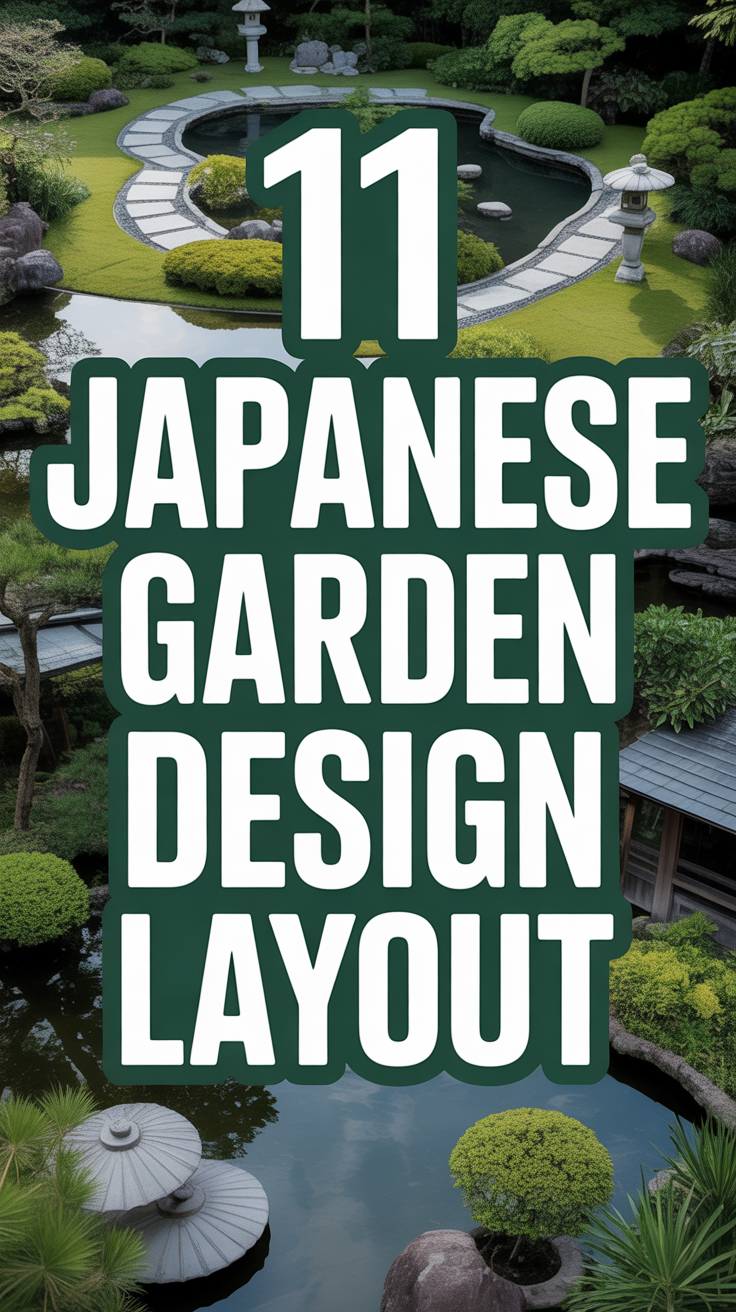
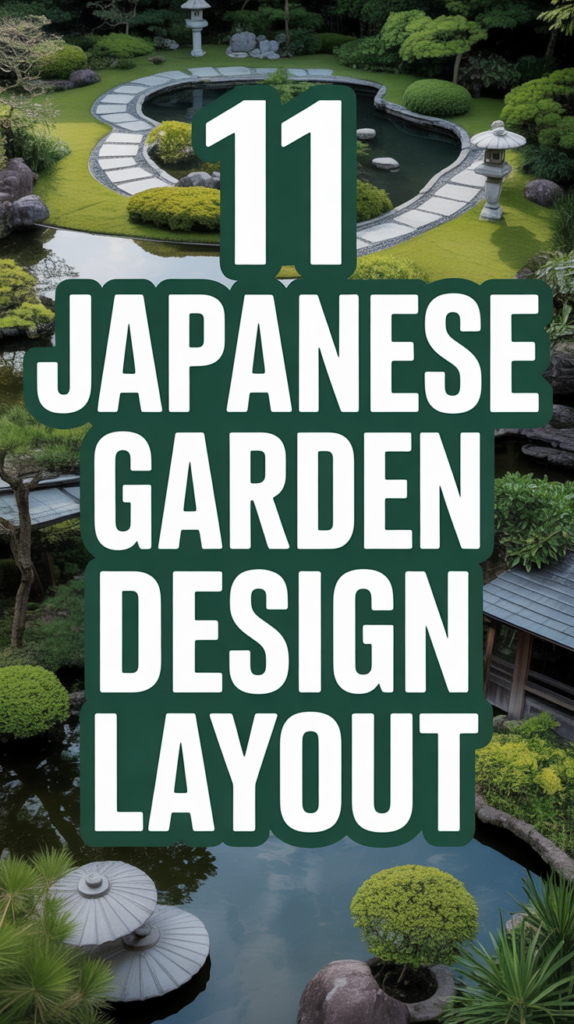
If you’re dreaming of a classic, picturesque scene, this is your jam. A large central pond usually features islands connected by charming bridges, inviting you to wander and explore. You’ll often find lanterns and strategically placed plants enhancing the views. Pro tip: Incorporate a small waterfall or stream flowing into the pond; the sound of moving water is next-level soothing. This layout offers a dynamic visual journey, perfect for larger backyards that crave a focal point.
3. Tea Garden (Roji)
Imagine a tranquil path leading to a hidden tea house – that’s the essence of a Roji garden. It’s designed to cleanse the mind and prepare guests for the tea ceremony, featuring stepping stones, stone lanterns, and a water basin (tsukubai) for ritual purification. Pro tip: Keep the planting simple and natural; moss and evergreen shrubs provide that understated elegance. This style creates an intimate, reflective journey, ideal for a quiet corner or a hidden retreat.
4. Stroll Garden (Kaiyu-shiki Teien)
This garden isn’t just for looking at; it’s for experiencing. Stroll gardens are designed to reveal new, captivating views with every turn of the path, like a living painting unfolding before you. You’ll encounter various elements such as ponds, bridges, and lanterns, all placed for optimal discovery. Pro tip: Vary the path materials – some gravel, some stepping stones – to subtly guide the visitor’s pace and attention. It’s perfect for those who want their garden to tell a story and offer continuous engagement.
5. Courtyard Garden (Tsubo-niwa)
No space? No problem. Tsubo-niwa are tiny, enclosed gardens, often just a few square meters, designed to be viewed from inside the house. They typically feature a few key elements like a single stone, a lantern, or a small tree, maximizing visual impact in minimal space. Pro tip: Use a tall, slender plant or a vertical water feature to draw the eye upward, making the space feel larger. This layout is a lifesaver for urban dwellers, bringing a powerful punch of nature to even the smallest nook.
6. Moss Garden (Koke-dera style)
Prepare for peak ethereal vibes. Moss gardens create lush, velvety carpets underfoot and around trees, evoking a sense of ancient tranquility and timelessness. They thrive in shaded, damp environments, transforming ordinary ground into a vibrant, emerald wonderland. Pro tip: Introduce a few carefully placed rocks or a stone lantern to break up the green expanse and add visual interest. This garden style is pure magic for shaded areas, offering a uniquely soft and serene aesthetic.
7. Borrowed Scenery (Shakkei)
This is next-level design genius. Shakkei involves integrating distant landscape elements – like a majestic mountain, a neighbor’s beautiful tree, or even a distant pagoda – into the garden’s composition. It makes your garden feel infinitely larger and more connected to its surroundings. Pro tip: Frame your “borrowed” view with strategically placed trees or structures within your garden, like a living picture frame. This technique is a game-changer for extending your garden’s perceived boundaries without actually buying more land (we wish!).
8. Water Basin Garden (Tsukubai)
Simple, elegant, and deeply symbolic. A Tsukubai garden centers around a stone water basin, often fed by a bamboo spout (kakehi), surrounded by stepping stones and moss. It serves as a place for ritual purification before entering a tea house, or simply as a beautiful focal point. Pro tip: Place a small, smooth river stone at the bottom of the basin to catch the water, creating a pleasant, soft sound. It’s a beautifully understated feature that brings the calming element of water to any space.
9. Stepping Stone Path (Tobii-shi)
Forget boring straight lines; stepping stone paths are all about intentional movement and visual grace. Irregularly placed stones, often flat and natural, guide visitors through the garden, encouraging a slower pace and mindful observation. Pro tip: Vary the size and shape of the stones, and ensure they are stable and level to prevent any unexpected zen-destroying trips. This layout isn’t just practical; it adds an organic, artistic flow to your entire garden design.
10. Lantern Garden (Toro)
Stone lanterns aren’t just for lighting; they’re sculptural elements that add history, mood, and focal points to a Japanese garden. From the snow-viewing Yukimi-doro to the pedestal-style Kasuga-doro, each type tells a story and enhances the garden’s atmosphere. Pro tip: Place lanterns near water features or at path intersections to highlight key areas, especially when evening falls. They instantly elevate the garden’s aesthetic, adding a touch of ancient charm and subtle illumination.
11. Dry Waterfall (Karesan-taki)
Who needs actual water when you have imagination? A dry waterfall uses carefully arranged rocks to mimic the dynamic cascade of a waterfall, with white gravel or sand often representing the flowing water below. It’s a brilliant way to create the illusion of movement and sound without the maintenance of a real water feature. Pro tip: Use larger, more dramatic rocks at the “top” of the fall and smaller, smoother stones towards the “bottom” to enhance the sense of motion. This layout is perfect for creating visual drama and an unexpected focal point in a water-conscious landscape.
Conclusion
So there you have it, 11 ways to inject some serious tranquility and timeless beauty into your life, one stepping stone at a time. Whether you’re all about that minimalist rock garden life or dreaming of a lush, mossy retreat, Japanese garden design is basically the blueprint for finding peace in your own backyard. Go forth and create your personal oasis – just try not to get too zen, we still need you to, like, operate a coffee maker. You got this!