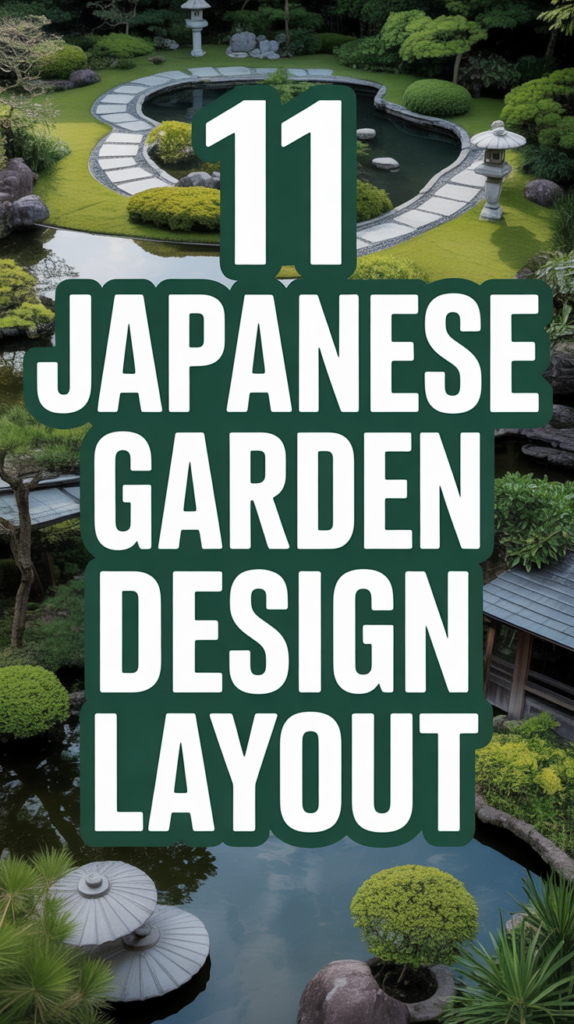
🌿 11 Japanese Garden Design Layout
👩🌾 The Master Gardener's Starter Kit
Having a healthy, thriving garden is ten times easier when you aren't fighting with cheap tools. These are the 5 rugged, reliable gardening essentials that experienced landscapers and passionate home gardeners swear by to save time, protect their joints, and get better yields.
✂️ Felco F-2 Classic Manual Pruners
The legendary "buy it for life" pruning shears. Cheap pruners crush stems and spread disease, but these Swiss-made, razor-sharp bypass pruners slice cleanly through thick branches and rose bushes effortlessly. Every single part is replaceable, making it a true lifetime investment.
💧 XLUX Soil Moisture Meter
Overwatering is the number one reason plants die. This simple, battery-free probe completely removes the guesswork from your watering schedule. Just stick it in the soil at root level to instantly know exactly when your veggies, flowers, or houseplants are actually thirsty.
🐍 Flexzilla Heavy Duty Garden Hose
Stop wrestling with stiff, heavy rubber hoses that pinch and cut off water flow. This incredibly lightweight, high-visibility green hose lays completely flat, never kinks under pressure, and is surprisingly easy to coil back up—even in freezing weather.
🧘♀️ Extra Thick High-Density Kneeling Pad
Gardening shouldn't mean suffering joint pain for three days afterward. This ultra-thick, water-resistant foam pad absorbs rocks, roots, and uneven ground, protecting your knees whether you're pulling weeds for five minutes or planting bulbs all afternoon.
🧤 Pine Tree Tools Bamboo Garden Gloves
Finally, a glove that protects hands without making you lose your dexterity. These breathable bamboo-fiber gloves fit like a second skin, allowing you to handle delicate seedlings or grip muddy tools securely while keeping dirt from packing under your fingernails.
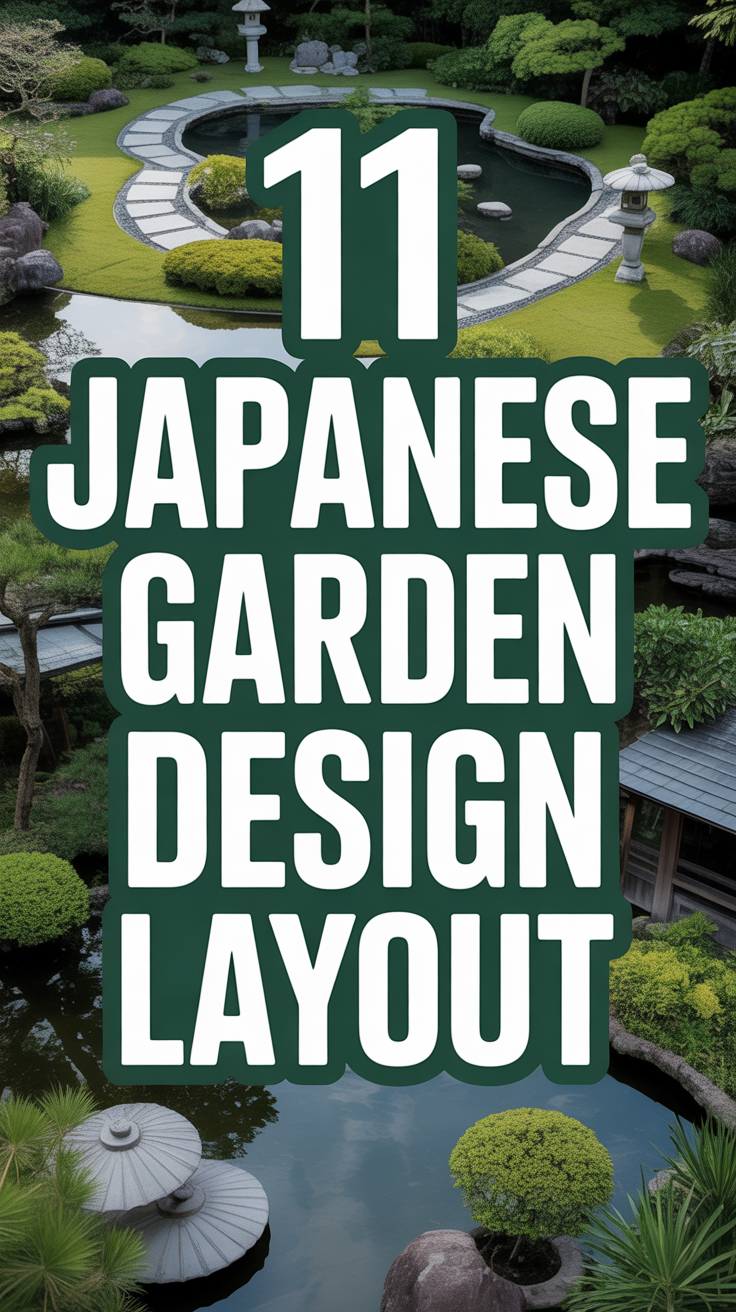
Ever scroll through Pinterest and just gasp at those impossibly serene Japanese gardens? Yeah, me too. They’re like, peak chill. But guess what? You don’t need a centuries-old temple or a massive estate to get that vibe. We’re about to spill the tea (matcha, obviously) on 11 killer Japanese garden design layouts that you can totally swipe for your own space, big or small. Get ready to turn your backyard into a slice of zen paradise, no passport required.
1. Zen Rock Garden (Karesansui)
This is where minimalism meets profound contemplation. Think artfully raked gravel or sand, representing water, with carefully placed rocks acting as mountains or islands. It’s all about creating a sense of vastness and peace in a compact, dry landscape. Pro tip: Use different sized rakes to create varied patterns and textures, making your “water” truly dynamic. This layout totally works for small urban spaces or anyone needing a serious dose of calm.
2. Pond and Island Garden (Chisen-kaiyu-shiki)
If you’re dreaming of a classic, picturesque scene, this is your jam. A large central pond usually features islands connected by charming bridges, inviting you to wander and explore. You’ll often find lanterns and strategically placed plants enhancing the views. Pro tip: Incorporate a small waterfall or stream flowing into the pond; the sound of moving water is next-level soothing. This layout offers a dynamic visual journey, perfect for larger backyards that crave a focal point.
3. Tea Garden (Roji)
Imagine a tranquil path leading to a hidden tea house – that’s the essence of a Roji garden. It’s designed to cleanse the mind and prepare guests for the tea ceremony, featuring stepping stones, stone lanterns, and a water basin (tsukubai) for ritual purification. Pro tip: Keep the planting simple and natural; moss and evergreen shrubs provide that understated elegance. This style creates an intimate, reflective journey, ideal for a quiet corner or a hidden retreat.
4. Stroll Garden (Kaiyu-shiki Teien)
This garden isn’t just for looking at; it’s for experiencing. Stroll gardens are designed to reveal new, captivating views with every turn of the path, like a living painting unfolding before you. You’ll encounter various elements such as ponds, bridges, and lanterns, all placed for optimal discovery. Pro tip: Vary the path materials – some gravel, some stepping stones – to subtly guide the visitor’s pace and attention. It’s perfect for those who want their garden to tell a story and offer continuous engagement.
5. Courtyard Garden (Tsubo-niwa)
No space? No problem. Tsubo-niwa are tiny, enclosed gardens, often just a few square meters, designed to be viewed from inside the house. They typically feature a few key elements like a single stone, a lantern, or a small tree, maximizing visual impact in minimal space. Pro tip: Use a tall, slender plant or a vertical water feature to draw the eye upward, making the space feel larger. This layout is a lifesaver for urban dwellers, bringing a powerful punch of nature to even the smallest nook.
6. Moss Garden (Koke-dera style)
Prepare for peak ethereal vibes. Moss gardens create lush, velvety carpets underfoot and around trees, evoking a sense of ancient tranquility and timelessness. They thrive in shaded, damp environments, transforming ordinary ground into a vibrant, emerald wonderland. Pro tip: Introduce a few carefully placed rocks or a stone lantern to break up the green expanse and add visual interest. This garden style is pure magic for shaded areas, offering a uniquely soft and serene aesthetic.
7. Borrowed Scenery (Shakkei)
This is next-level design genius. Shakkei involves integrating distant landscape elements – like a majestic mountain, a neighbor’s beautiful tree, or even a distant pagoda – into the garden’s composition. It makes your garden feel infinitely larger and more connected to its surroundings. Pro tip: Frame your “borrowed” view with strategically placed trees or structures within your garden, like a living picture frame. This technique is a game-changer for extending your garden’s perceived boundaries without actually buying more land (we wish!).
8. Water Basin Garden (Tsukubai)
Simple, elegant, and deeply symbolic. A Tsukubai garden centers around a stone water basin, often fed by a bamboo spout (kakehi), surrounded by stepping stones and moss. It serves as a place for ritual purification before entering a tea house, or simply as a beautiful focal point. Pro tip: Place a small, smooth river stone at the bottom of the basin to catch the water, creating a pleasant, soft sound. It’s a beautifully understated feature that brings the calming element of water to any space.
9. Stepping Stone Path (Tobii-shi)
Forget boring straight lines; stepping stone paths are all about intentional movement and visual grace. Irregularly placed stones, often flat and natural, guide visitors through the garden, encouraging a slower pace and mindful observation. Pro tip: Vary the size and shape of the stones, and ensure they are stable and level to prevent any unexpected zen-destroying trips. This layout isn’t just practical; it adds an organic, artistic flow to your entire garden design.
10. Lantern Garden (Toro)
Stone lanterns aren’t just for lighting; they’re sculptural elements that add history, mood, and focal points to a Japanese garden. From the snow-viewing Yukimi-doro to the pedestal-style Kasuga-doro, each type tells a story and enhances the garden’s atmosphere. Pro tip: Place lanterns near water features or at path intersections to highlight key areas, especially when evening falls. They instantly elevate the garden’s aesthetic, adding a touch of ancient charm and subtle illumination.
11. Dry Waterfall (Karesan-taki)
Who needs actual water when you have imagination? A dry waterfall uses carefully arranged rocks to mimic the dynamic cascade of a waterfall, with white gravel or sand often representing the flowing water below. It’s a brilliant way to create the illusion of movement and sound without the maintenance of a real water feature. Pro tip: Use larger, more dramatic rocks at the “top” of the fall and smaller, smoother stones towards the “bottom” to enhance the sense of motion. This layout is perfect for creating visual drama and an unexpected focal point in a water-conscious landscape.
🪴 The Plant Parent Oasis Build
Taking your indoor jungle or backyard patio to the next level requires more than just water and sunlight. These 5 aesthetic and highly functional accessories are what interior designers and green-thumb experts use to help plants thrive while looking visually stunning.
💡 SANSI Full Spectrum LED Grow Light Bulb
The secret to keeping monsteras and fiddle leaf figs exploding with new growth even in dark apartments. These powerful LED bulbs fit into standard decorative lamps, providing intense, natural daylight mimicry without the ugly purple hue of cheap grow lights.
🌳 Planters' Choice Bonsai Starter Kit
A beautiful introduction to the art of bonsai. This wildly popular kit comes with everything you need—seeds, soil pucks, clippers, and biodegradable pots—to grow four different types of miniature trees from scratch. It's a deeply rewarding and meditative project.
🪵 Elevated Cedar Raised Garden Bed
The perfect solution for growing fresh herbs and tomatoes on a patio or balcony. Standing waist-high, it completely eliminates the need for bending and weeding, while the beautiful, rot-resistant cedar construction instantly upgrades the look of any outdoor space.
✨ Vintage Brass Glass Plant Mister
Tropical plants like ferns and calatheas desperately need humidity, but you don't have to use an ugly plastic spray bottle. This gorgeous, vintage-inspired glass mister delivers a fine fog to keep leaves healthy, and it looks beautiful displayed on a shelf among your pots.
🏺 Terracotta Self-Watering Spikes
Never come home from a vacation to dead, crispy plants again. Simply push these porous terracotta spikes into the soil and insert any recycled glass bottle filled with water. The clay automatically releases moisture at the exact rate the soil dries out!
Conclusion
So there you have it, 11 ways to inject some serious tranquility and timeless beauty into your life, one stepping stone at a time. Whether you’re all about that minimalist rock garden life or dreaming of a lush, mossy retreat, Japanese garden design is basically the blueprint for finding peace in your own backyard. Go forth and create your personal oasis – just try not to get too zen, we still need you to, like, operate a coffee maker. You got this!