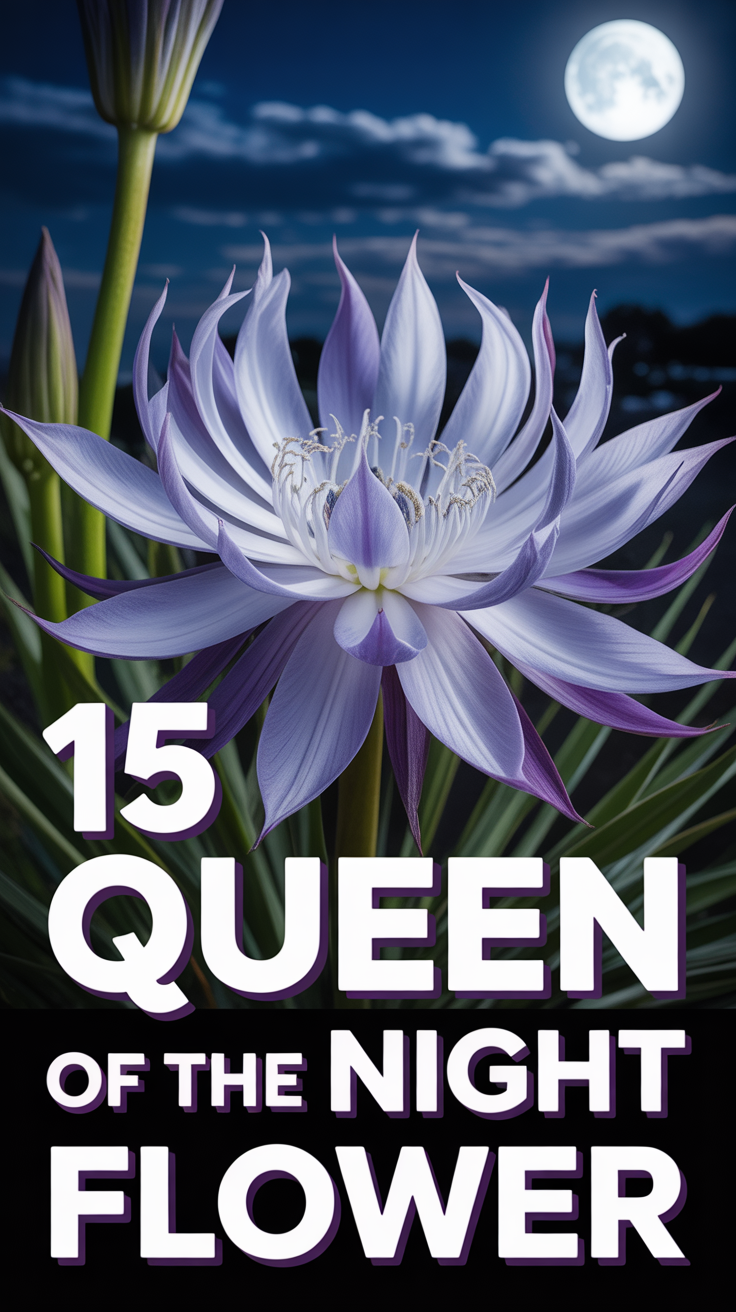
🌼 15 Queen Of The Night Flower
Alright plant pals, gather ’round, because we need to chat about a true botanical diva: the Queen Of The Night Flower. This isn’t your average garden wallflower; oh no, this lady demands attention, but only on her own terms. She’s the ultimate ‘late-night show’ host, putting on a dazzling performance when the rest of the world is tucked in.
If you’ve ever dreamt of witnessing something truly spectacular, but also incredibly fleeting, then you’ve landed in the right spot. We’re diving deep into the mysterious, fragrant, and utterly gorgeous world of this nocturnal stunner. Get ready to fall in love, because honestly, who wouldn’t want royalty in their home?
1. Her Majesty’s Grand Entrance
First things first, let’s talk about the name. “Queen Of The Night Flower” isn’t just a catchy title; it’s a literal description. This beauty only blooms when the sun dips below the horizon, usually between late spring and early autumn.
She’s a true night owl, saving her big reveal for when the moon is high. Pro tip: Don’t plan a daytime viewing party; she’ll just snooze through it. Her fleeting appearance makes her all the more precious, like a secret whispered only to those awake to hear it.
2. The Scent of Royalty
Oh, the fragrance! If you’ve never experienced it, prepare for a sensory overload. The Queen Of The Night Flower emits an incredibly powerful, sweet, and almost vanilla-like perfume that fills the entire room.
It’s so potent, you’ll wonder if a fancy perfume factory just opened next door. This intoxicating aroma is her clever way of attracting nocturnal pollinators, but we humans get to enjoy the free aromatherapy. It really is her signature scent, and it’s divine.
3. A Blink-and-You’ll-Miss-It Bloom
Here’s the kicker: her show is super short. We’re talking a single night, maybe two if you’re incredibly lucky and the stars align perfectly. The flower opens fully over a few hours and then, by dawn, it’s already starting to wilt.
Talk about a dramatic exit! This ephemeral nature is precisely what makes her so legendary. You really have to be present for the moment, because there’s no rewind button on this natural spectacle.
4. The Plant Behind the Bloom
Before the big show, the Queen Of The Night Flower (botanically known as Epiphyllum oxypetalum) looks, well, pretty unassuming. She’s a jungle cactus, sporting long, flat, leaf-like stems that hang gracefully.
Don’t expect spikes; she’s too elegant for that. Pro tip: Those ‘leaves’ are actually flattened stems, designed to soak up sun in her native tropical forests. Understanding her humble beginnings helps appreciate the grandeur of her bloom.
5. Budding Excitement
Waiting for the bloom is half the fun. Her buds are quite distinctive, long and slender, often appearing a few weeks before the big event. They grow surprisingly fast in the final days, almost visibly plumping up.
Watching them swell is like a pre-show teaser trailer. You’ll find yourself checking them multiple times a day, trying to predict the exact moment of glory. It’s a test of patience, but totally worth it.
6. Light, Camera, Action
This plant loves bright, indirect light. Think dappled sunlight, like she’d get under a canopy of trees. Too much direct sun can scorch her delicate stems, making her less than regal.
A spot near an east or north-facing window is usually ideal. Pro tip: If her stems look a bit reddish, she’s getting too much sun; move her to a shadier spot. Happy light means happy blooms, eventually!
7. Thirsty Work
While she’s a cactus, she’s not desert-dwelling. The Queen Of The Night Flower enjoys consistent moisture during her growing season (spring and summer). Let the top inch or two of soil dry out between waterings.
Definitely don’t let her sit in soggy soil; that’s a one-way ticket to root rot. Good drainage is key for this tropical beauty. Treat her like the queen she is, and keep her comfortably hydrated.
8. Soil Secrets
She needs well-draining soil, but also something rich in organic matter. A good quality orchid mix, or a blend of potting soil with perlite and some bark chips, works wonders. She hates heavy, compacted earth.
Think airy and light, mimicking her natural habitat where she grows on tree branches. Pro tip: Never use dense garden soil; it will suffocate her roots faster than you can say ‘night bloom’.
9. Feeding the Queen
During the spring and summer growing season, a balanced liquid fertilizer every two to four weeks will keep her happy and encourage those magnificent blooms. Look for something with a slightly higher potassium content as bloom time approaches.
Ease off the feeding in fall and winter when she enters her rest period. A well-fed queen is a blooming queen, so don’t skimp on her meals when she’s actively growing.
10. Propagation Power
Want more queens? You can easily propagate this plant from stem cuttings. Simply snip off a healthy section, let it callus over for a few days (important!), and then stick it in well-draining soil.
It’s surprisingly straightforward, meaning you can share the magic with friends and family. Pro tip: Cuttings root best in warmer temperatures. Sharing is caring, especially when it comes to plant royalty.
11. Winter Slumber
Come fall and winter, the Queen Of The Night Flower needs a rest. Reduce watering significantly, only giving her a drink when the soil is completely dry. Stop fertilizing altogether.
She also appreciates slightly cooler temperatures during this time, around 50-60°F (10-15°C), to help set those precious flower buds for next season. Don’t worry, she’s not ignoring you; she’s just recharging her batteries for her next big performance.
12. Support System
As the stems grow longer, they can become quite heavy and start to flop. Providing a trellis or stakes gives her the support she needs to stay upright and elegant. She’s a climber in nature, after all.
Think of it as her personal red carpet for her blooming debut. Pro tip: Gently tie her stems with soft ties to avoid damaging them. A queen always needs her entourage.
13. Pest Patrol
Good news! This plant isn’t usually a pest magnet, but occasionally mealybugs or scale can show up. Keep an eye out for any sticky residue or tiny white fluff on the stems.
Treat promptly with horticultural oil or insecticidal soap. A healthy plant is a resilient plant, so regular inspection is your best defense. Don’t let tiny invaders spoil her majesty’s beauty.
14. The Big Reveal Timing
How do you know exactly when she’ll bloom? It’s tricky, but the buds give you clues. They’ll grow rapidly in the last few days, and on the evening of the bloom, they’ll start to swell noticeably and become very soft to the touch.
You’ll often see a slight opening just before sunset. Pro tip: Clear your schedule, grab your camera, and maybe even invite a few friends over. This is a moment you’ll want to share.
15. The Morning After Grace
Once the show is over, what happens? The flower gracefully wilts, often turning a bit translucent and droopy. You can gently snip it off at the base of the stem the next morning.
It’s a poignant end to such a spectacular event, reminding us of the transient beauty of life. But don’t fret; she’ll be back for another performance next season, ready to steal the show all over again.
Conclusion
So, there you have it: the lowdown on the Queen Of The Night Flower. She’s high drama, utterly gorgeous, and a bit of a tease with her fleeting appearances, but honestly, that’s her charm. Owning one means you’re not just a plant parent; you’re a patron of the arts, eagerly awaiting her next performance.
Embrace the anticipation, revel in the bloom, and savor that incredible fragrance. She might only show off once a year, but trust us, it’s a memory that lasts a lifetime. Go forth and cultivate your own nocturnal royalty!