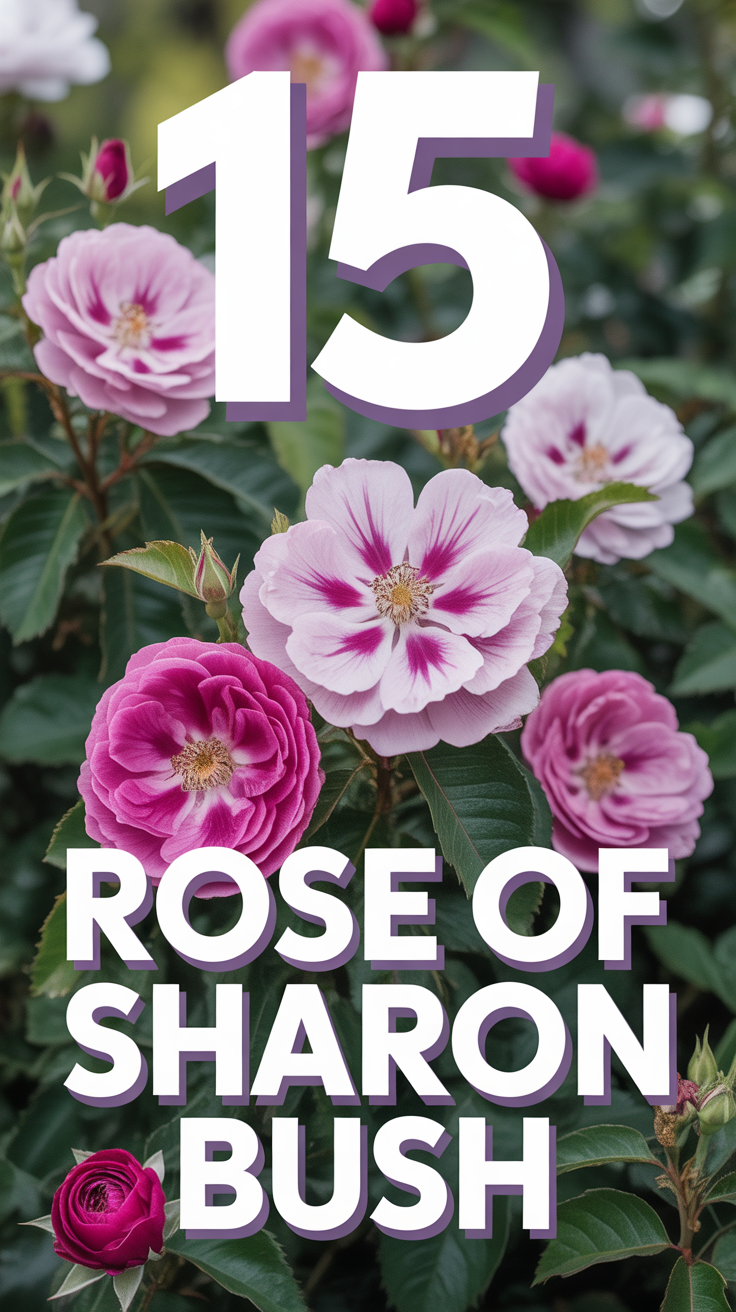
🌸 15 Rose Of Sharon Bush
Okay, real talk. You know that one plant everyone kinda overlooks but then BAM, it’s summer and it’s putting on a show? We’re talking about the Rose of Sharon, people. Not gonna lie, sometimes it gets a bad rap for being a bit… extra. But trust me, this bush is basically the unsung hero of the late-season garden, and we’re about to spill all the tea on why you absolutely need one (or five) in your life. Get ready to fall head over heels for this garden superstar.

1. Late Bloomer Love
While all your other garden divas are throwing in the towel, this beauty is just getting started. It kicks off its floral fireworks when most plants are already done for the season, bringing much-needed color. You get a vibrant burst of blooms from mid-summer straight through to fall, extending your garden’s peak performance.
Pro tip: Plant it strategically where your spring and early summer flowers are starting to fade, creating a seamless show. It’s like a floral relay race, and Rose of Sharon is the anchor.
2. Low Maintenance Legend
Honestly, this bush practically takes care of itself, which is perfect for us “set it and forget it” gardeners. It tolerates a pretty wide range of conditions, so you won’t be babysitting it constantly. Just give it a good start, and it usually handles the rest like a champ.
Pro tip: A little mulch around the base keeps moisture in and weeds out, making your life even easier. Minimum effort, maximum impact, my friend.
3. Butterfly BFF
Want your garden to be the hottest spot in town for pollinators? The Rose of Sharon is basically a neon sign for butterflies and hummingbirds. Its big, showy flowers are irresistible to those fluttering friends, bringing life and movement to your yard.
Pro tip: Choose single-petal varieties over double ones; they’re easier for pollinators to access the nectar. You’ll be hosting the cutest garden parties ever.
4. Variety Vibes
Think Rose of Sharon is just one boring old flower? Think again, buttercup! These come in a spectacular array of colors, from crisp whites to deep purples, and even some fun bi-colors. You can find varieties with different flower shapes too, like crinkled petals or ruffled edges.
Pro tip: Explore the ‘Chiffon’ series for delicate, semi-double blooms or ‘Sugar Tip’ for variegated foliage. Your garden will thank you for the fashion statement.
5. Hardy Hero
This plant is tough, like, really tough. It shrugs off heat, tolerates a fair bit of drought once established, and generally isn’t bothered by city pollution. It’s a survivor, thriving in USDA zones 5-9, which covers a huge chunk of the country.
Pro tip: Don’t coddle it too much; a little neglect often makes it even stronger. This bush has grit, and it shows.
6. Pruning Power
You actually have a lot of control over its shape and size, which is pretty neat for a big bush. You can prune it hard in late winter or early spring to encourage more blooms and keep it tidy. It flowers on new wood, so you won’t sacrifice any blossoms.
Pro tip: For larger flowers, prune back last year’s growth to just two or three buds. It’s like giving your bush a glow-up every year.
7. Container Queen
Don’t have a giant yard? No problem! Many varieties of Rose of Sharon do surprisingly well in large containers, especially the more compact types. This means even patio dwellers can enjoy its summer splendor. Just pick a pot with good drainage and ample space.
Pro tip: Ensure the container is large enough to accommodate its root system and prevent it from becoming root-bound too quickly. Instant patio paradise, delivered.
8. Privacy Partner
Need a natural screen to block out nosey neighbors or an unsightly view? Plant a row of these bad boys. They grow fairly quickly and dense, providing excellent seasonal privacy. It’s a beautiful, living fence that offers a burst of color.
Pro tip: Space them about 3-5 feet apart for a dense hedge effect. Who needs a boring fence when you can have a floral wall?
9. Tree Transformation
Here’s a fun trick: you can train a Rose of Sharon into a small, single-trunk tree. This gives it a completely different look, perfect for a specimen plant or focal point. Just remove the lower branches and prune the top to maintain a desirable canopy shape.
Pro tip: Start training when the plant is young for the best results, selecting one strong central leader. You’ll be a plant sculptor in no time.
10. Seedling Surprises
Prepare for some adorable little babies popping up around your mature plant. Rose of Sharon is known for self-seeding, which means you might get free extra plants. You can either let them grow, transplant them, or just pull them if you don’t want more.
Pro tip: To prevent excessive self-seeding, deadhead spent flowers before they go to seed. Otherwise, enjoy the delightful, unexpected additions.
11. Water Wisely
While established plants are pretty drought-tolerant, young Rose of Sharon bushes appreciate regular watering, especially during dry spells. Aim for deep watering a couple of times a week rather than frequent shallow sips. This encourages strong root development.
Pro tip: Check the soil moisture a few inches down; if it feels dry, it’s time for a drink. Don’t let it get too parched when it’s just settling in.
12. Sun Seeker
This plant is a total sun worshipper, thriving in full sun, which means at least six hours of direct sunlight daily. The more sun it gets, the more flowers it will produce. It might tolerate a little partial shade, but don’t expect a showstopper.
Pro tip: Give it the brightest spot in your garden for maximum bloom power. It’s basically a solar-powered flower factory.
13. Soil Savvy
Rose of Sharon isn’t super fussy about soil, but it does prefer well-draining soil. It can handle sandy or clay soils, as long as it doesn’t stay waterlogged. Good drainage prevents root rot and keeps your plant happy and healthy.
Pro tip: Amend heavy clay soils with compost to improve drainage and add nutrients. Happy roots, happy blooms, my friend.
14. Disease Defender
Good news! Rose of Sharon is generally pretty resistant to most common pests and diseases. You won’t be battling aphids every other week or dealing with mysterious wilting. It’s a robust choice for a low-stress garden.
Pro tip: Keep an eye out for Japanese beetles, which can sometimes munch on the leaves; a little hand-picking usually does the trick. Mostly, though, it’s smooth sailing.
15. Winter Wonder
As a deciduous shrub, it will drop its leaves in the fall and look a bit bare in winter. Don’t panic! It’s just taking a well-deserved nap. Come spring, it will leaf out again, ready to put on another spectacular summer show.
Pro tip: A fresh layer of mulch before winter can help protect its roots, especially in colder zones. It’s like tucking your plant in for a long winter’s rest.
Conclusion
So, there you have it, folks. The Rose of Sharon Bush isn’t just another pretty face; it’s a hardworking, low-maintenance, late-season superstar that brings serious wow-factor to any garden. From attracting pollinators to offering endless variety, it’s clear this bush deserves a prime spot in your green space. Go on, give it a try; your garden (and your sanity) will thank you for it!