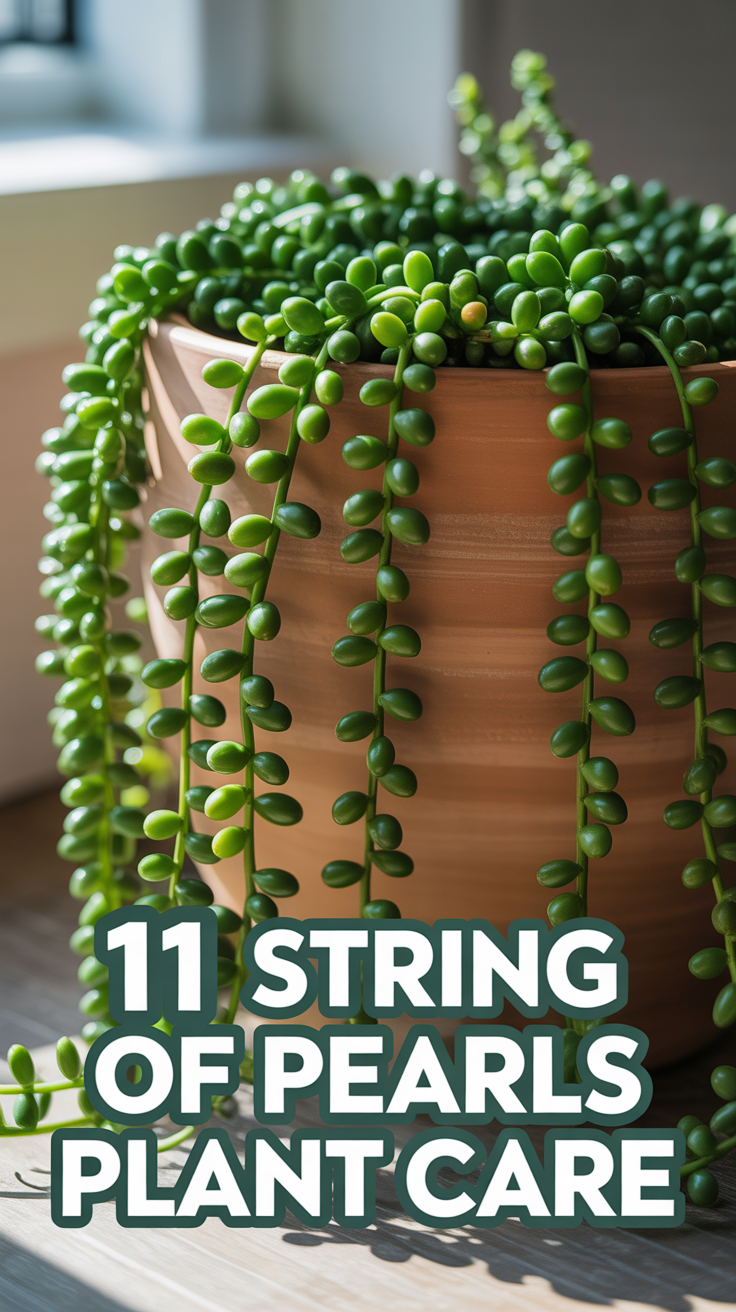
🌱 11 String Of Pearls Plant Care
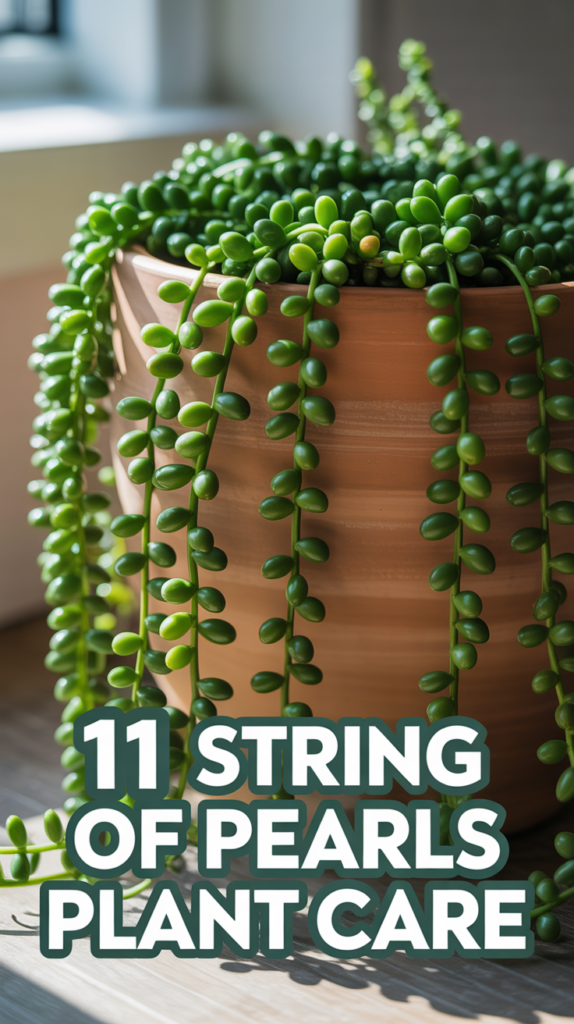
Alright, plant pals, let’s talk about the ultimate ‘gram-worthy superstar: the String of Pearls (Senecio rowleyanus). You know, those adorable little green beads dangling like nature’s finest necklace? They’re cute, they’re quirky, and yeah, they can be a tad dramatic if you don’t speak their language. But don’t sweat it. I’m here to spill the tea on how to keep your pearls thriving, not just surviving. Get ready to turn that brown thumb green!
1. Give Them Glorious Light
Your String of Pearls isn’t a fan of the dark, darling. They absolutely adore bright, indirect light. Think a sunny window, but not directly in the scorching afternoon sun which can totally crisp their delicate pearls. A little morning sun is fine, but protect them from intense rays. Placing them near an east or west-facing window usually does the trick.
2. Master the Art of Watering
This is where most pearl parents go wrong. Less is definitely more with these succulents. They hate soggy feet, so let the soil dry out completely between waterings. A good pro tip: gently squeeze a pearl. If it feels a bit soft or looks slightly wrinkled, it’s thirsty. If it’s plump and firm, hold your horses. Give them a good soak when it’s time, but ensure excellent drainage.
3. Choose the Right Soil Mix
Think desert vibes for your soil. String of Pearls need a mix that drains faster than your ex’s excuses. A standard potting mix is too dense and holds too much moisture, which is a one-way ticket to rot city. Opt for a specialized succulent or cactus potting mix. You can even amend it with extra perlite or pumice for added drainage.
4. Pick a Pot with Purpose
Drainage, drainage, drainage! I cannot stress this enough. Your pot absolutely, positively needs drainage holes. Terracotta pots are fantastic because they’re breathable and help wick away excess moisture, preventing root rot. Don’t go too big either; a snug pot is better than an oversized one that holds too much water.
5. Keep an Eye on Temperature
These beauties are pretty chill when it comes to temperature, preferring average room temps between 65-80°F (18-27°C). They’re not big fans of extreme cold, so keep them away from drafty windows in winter. If your house is comfortable for you, it’s probably comfortable for your pearls.
6. Humidity is Not Their Jam
Unlike some of your other tropical plant friends, String of Pearls aren’t asking for a humidifier. They’re succulents, after all, and thrive in drier conditions. High humidity can actually lead to fungal issues or rot, so just let them be. Your bathroom probably isn’t their happy place unless it’s super well-ventilated.
7. Feed Them Sparingly, If At All
Your pearls aren’t super hungry. During their active growing season (spring and summer), you can offer a diluted, balanced liquid fertilizer once a month, but it’s not strictly necessary. Skip fertilizing entirely in fall and winter when they’re chilling out. Over-fertilizing can actually harm them, so when in doubt, just don’t.
8. Prune for Perfection
Pruning isn’t just for aesthetics; it encourages bushier growth and keeps your plant looking full and fabulous. If you notice any leggy or sparse strands, give them a little snip. Don’t trash those cuttings, though! They’re perfect for propagation, which is basically free plants. Win-win!
9. Watch Out for Pesky Pests
Even the prettiest plants can attract unwanted guests. Keep an eye out for common succulent pests like mealybugs or spider mites. They love to hide in those little crevices. If you spot any, isolate your plant and treat it with rubbing alcohol on a cotton swab or an insecticidal soap. Early detection is key to avoiding an infestation.
10. Propagation is Pure Magic
Want more pearls? Good news, propagating these darlings is ridiculously easy. Just snip a few healthy strands, remove a few pearls from the bottom, and lay them on top of moist succulent soil. You can also lightly press them into the soil. Keep the soil slightly moist, and within a few weeks, you’ll see roots forming. It’s like magic, but with plants.
11. Understand Their Signals
Your String of Pearls will tell you what they need if you pay attention. Wrinkled or deflated pearls usually mean they’re thirsty. Yellowing, mushy pearls indicate overwatering (the most common killer). If they’re stretching out with sparse pearls, they’re begging for more light. Listen to your plant; it’s always communicating.
Conclusion
So there you have it, folks! Caring for a String of Pearls might seem a little intimidating at first, but once you get the hang of their quirks, they’re truly rewarding. Give them plenty of light, be stingy with the water, and provide well-draining soil, and your pearls will be cascading beautifully in no time. Trust me, they’re worth the tiny bit of effort for all that gorgeous green goodness!