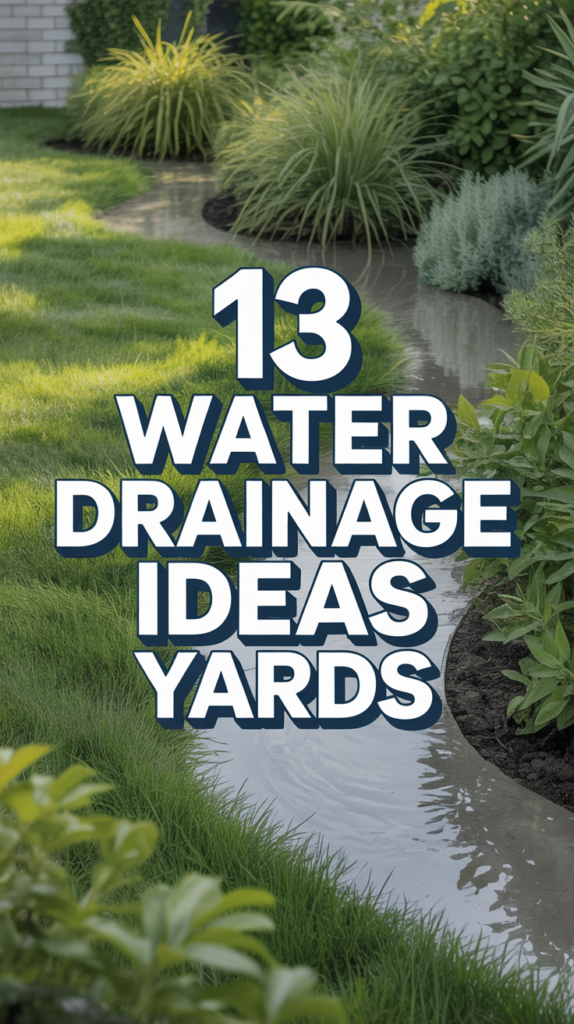
💧 13 Water Drainage Ideas Yards
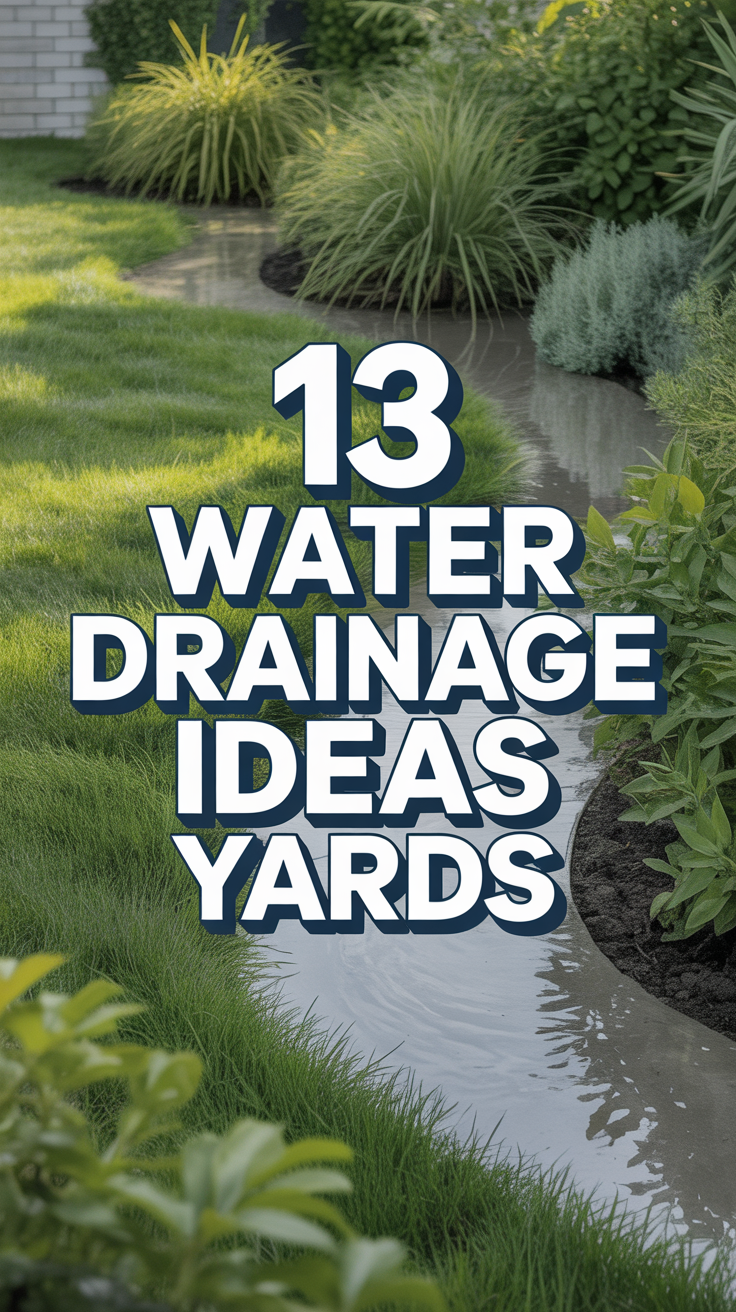
Okay, real talk. Is your yard turning into a swamp after every sprinkle? Are your shoes getting a workout just trying to get to the mailbox? We get it. Soggy yards are a total vibe killer, and frankly, a breeding ground for mosquitos and existential dread. But before you start building an ark, let’s talk drainage. We’re diving into some seriously chic (and effective) ways to get that water moving, because your lawn deserves better than becoming a mini-lake.
1. French Drain
So, you’ve got a perpetually soggy spot that just won’t quit. A French drain is basically your yard’s secret weapon, a trench filled with gravel and a perforated pipe that stealthily collects subsurface water. It’s like the covert ops of drainage, whisking water away before it even thinks about pooling.
Pro tip: Make sure your trench has a gentle slope. Gravity is your friend here, so give that water a clear, downhill path to freedom. This system keeps your yard from becoming a squishy mess, protecting your foundation and sanity.
2. Rain Garden
Want to be eco-chic and solve your drainage woes? Enter the rain garden. These sunken gardens are designed to collect rainwater runoff from hard surfaces like driveways and roofs, letting it slowly soak into the ground. Plus, they look absolutely gorgeous, bringing in pollinators and serious curb appeal.
Choose native plants that love a good drink but can also handle drier spells. You’re not just moving water; you’re creating a biodiverse oasis. It’s a win-win for aesthetics and the environment.
3. Dry Creek Bed
Imagine a beautiful, winding stream, but without the actual water (most of the time). A dry creek bed is a trench lined with rocks and pebbles, designed to guide excess water during heavy rainfall. When it’s dry, it’s a stunning landscape feature; when it rains, it’s a super-efficient drainage channel.
Lay down some landscape fabric before placing your rocks to prevent weeds and keep everything in place. This solution offers both practical drainage and a seriously stylish visual element that elevates your yard’s design.
4. Permeable Pavers
Tired of your patio or driveway contributing to the flood? Permeable pavers are your new best friend. Unlike traditional concrete, these pavers allow water to seep through their joints and into a gravel base below, slowly percolating back into the soil. No more puddles on your hardscapes.
Opt for a professional installation to ensure the underlying layers are correctly designed for optimal drainage. They’re a smart choice for driveways, walkways, and patios, reducing runoff and looking sleek while doing it.
5. Grading Your Yard
Sometimes, the simplest solutions are the best. If your yard slopes towards your house, you’re practically inviting trouble. Proper grading means subtly reshaping your yard so that it gently slopes away from your home’s foundation, directing water to more appropriate areas.
Always aim for a minimum slope of two percent away from your house for at least ten feet. This foundational fix prevents water from pooling against your home, which is a big deal for preventing structural damage.
6. Swale
Think of a swale as a shallow, broad, and gently sloping ditch. It’s less dramatic than a trench but equally effective at guiding surface runoff across your yard to a designated drainage area or a rain garden. They can be grass-lined or planted with water-loving vegetation.
Integrate the swale seamlessly into your landscape design so it looks intentional, not like a random ditch. It’s a subtle yet powerful way to manage sheet flow and keep your lawn from becoming a mud pit.
7. Catch Basins & Grates
For those specific low spots where water loves to gather, catch basins are your go-to. These underground boxes with grates on top collect surface water and then direct it through a pipe system to a safer discharge point. They’re particularly useful near patios, driveways, or under downspouts.
Clean the grates and basins regularly to prevent clogs from leaves and debris. These little guys are fantastic at preventing localized flooding and keeping paved areas usable even after a downpour.
8. Downspout Extensions
This one might seem too obvious, but seriously, check your downspouts. If they’re dumping water right next to your foundation, you’re asking for trouble. Extensions simply carry the water further away from your house, giving it a chance to disperse or flow into another drainage system.
Ensure the extension directs water to a spot where it can safely soak in or flow away, not towards a neighbor’s property or another problem area. It’s a cheap, easy fix that makes a huge difference in protecting your home’s foundation.
9. Gravel Trenches
Similar to a French drain but often shallower and without a pipe, a gravel trench is a simple, effective way to collect and disperse water. You dig a trench, fill it with gravel, and boom—instant infiltration zone. They’re great for areas with moderate drainage issues or as a perimeter around garden beds.
Line the trench with landscape fabric to keep the gravel clean and prevent soil migration. This low-maintenance solution helps water soak into the ground more quickly, reducing surface pooling.
10. Pop-Up Emitters
These clever little devices are designed to be the discreet end point for your underground drainage pipes. When enough water flows through the pipe, the pop-up emitter, well, pops up, releasing the water onto the surface in a safe location. Once the water stops, it retracts, disappearing back into the landscape.
Place them in an area where the water can easily disperse without creating new problems, like a gentle slope or a dry creek bed. They’re fantastic for keeping your yard looking neat while efficiently discharging collected water.
11. Channel Drains
For hardscapes like driveways, patios, or pool decks, channel drains are a sleek, linear solution. These long, narrow drains with grates run along the edge of a paved area, collecting sheet flow water before it can accumulate or run into unwanted spots. They look super modern and work like a charm.
Make sure the channel is slightly sloped towards an outlet to ensure all collected water flows away efficiently. They are excellent for preventing standing water on hard surfaces, making them safer and more appealing.
12. Berms
Think of a berm as a mini, intentional hill in your landscape. These raised mounds of earth can be strategically placed to divert water flow around certain areas, like your house or a sensitive garden bed. They’re often planted with vegetation to stabilize the soil and make them blend in beautifully.
Design your berms with gentle slopes to prevent erosion and ensure they look natural within your yard. They’re a creative way to redirect surface water and add interesting topography to your garden.
13. Underground Downspout Drainage System
Take those downspout extensions to the next level. Instead of just a short extension, an underground system pipes the water from your downspouts completely out of sight. It connects directly to your downspouts and carries the water through buried pipes to a safe discharge point, like a pop-up emitter or a dry well.
Bury the pipes deep enough to avoid damage from foot traffic or lawn equipment. This is the ultimate discreet solution for managing roof runoff, keeping your foundation dry and your yard looking pristine.
Conclusion
Alright, you savvy yard whisperer, you’ve got the intel. No more living with a perpetually damp lawn or fearing the next rainstorm. These water drainage ideas yards are your ticket to a drier, happier, and let’s be honest, way more attractive outdoor space. Pick your poison (or rather, your solution) and get that water moving. Your shoes, your foundation, and your chill vibes will thank you.