🌻 10 Wildflower Garden Front Yard
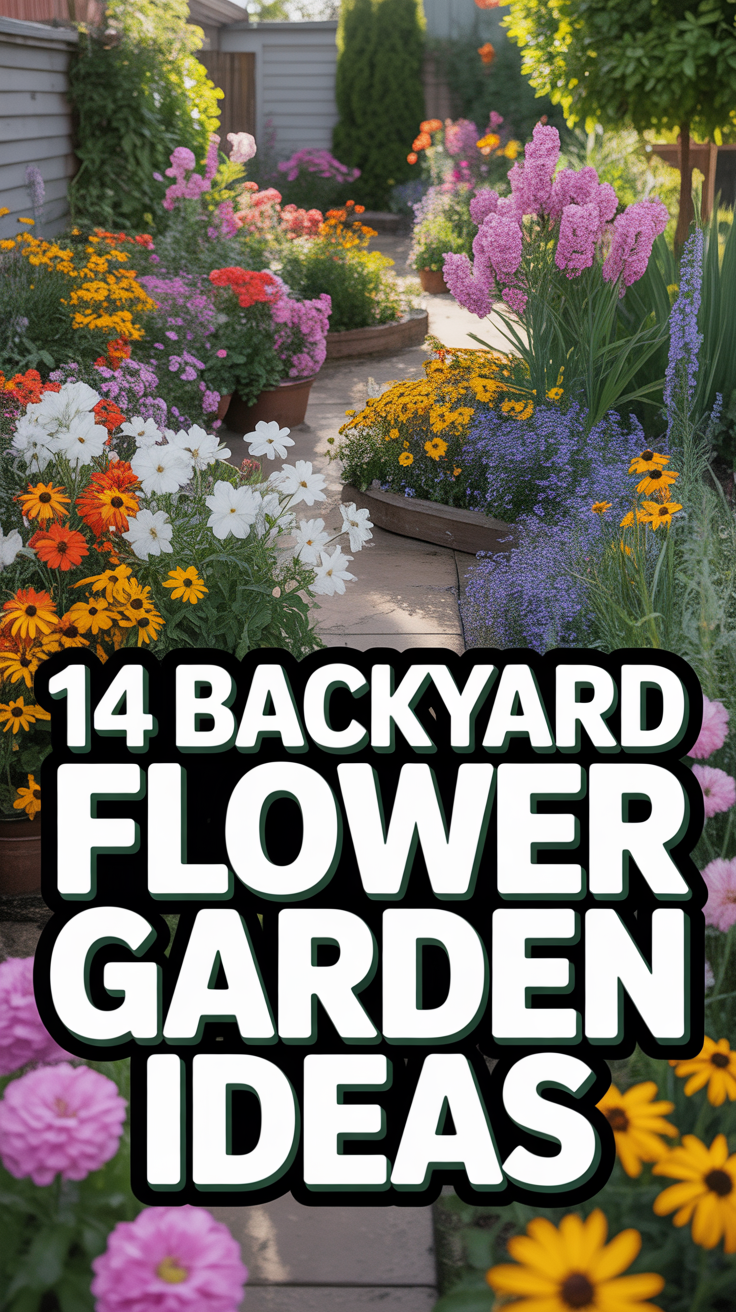
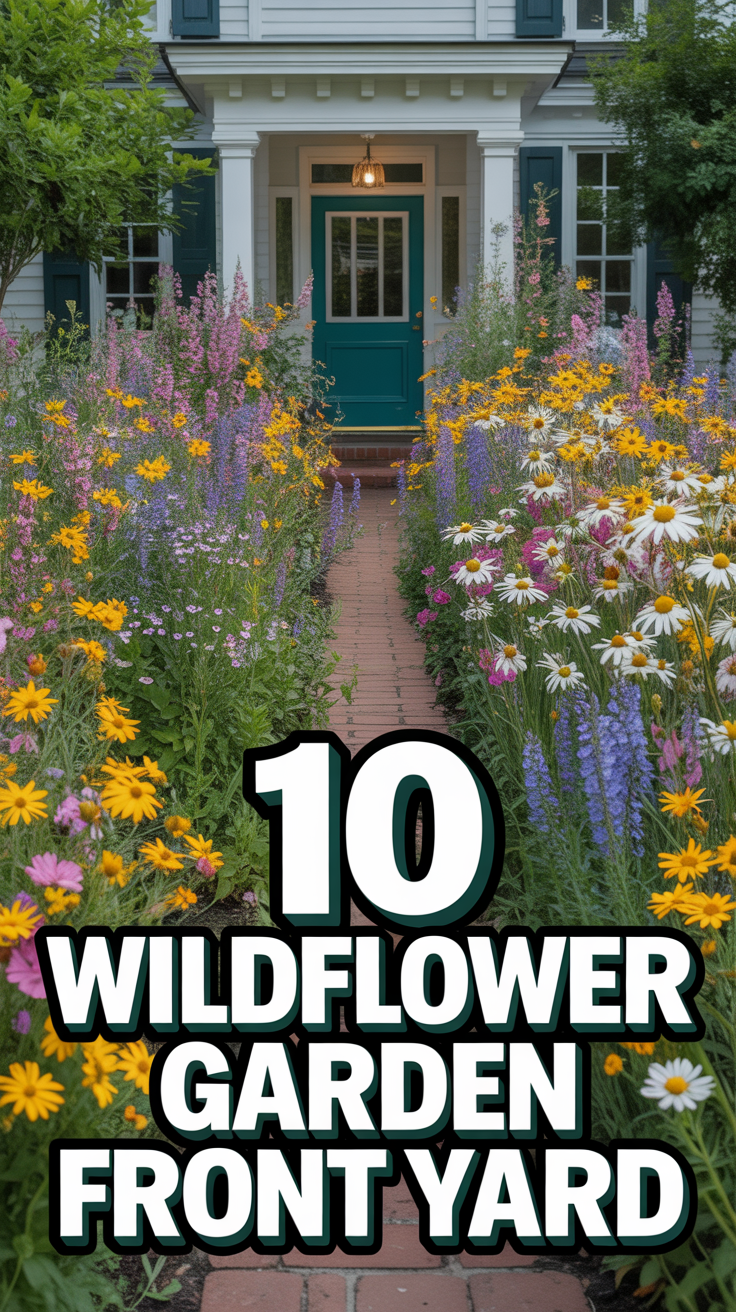
Alright, let’s ditch the boring grass and talk about something way more exciting: turning your front yard into a wildflower wonderland. Seriously, who needs a perfectly manicured lawn when you can have a riot of color, buzzing bees, and a whole vibe that screams “I’m effortlessly cool and environmentally conscious”? It’s like giving nature a high-five right on your doorstep. Plus, less mowing. You’re welcome.
1. Start Small, Think Big
Don’t feel like you need to transform your entire yard into a jungle overnight. Begin with a manageable patch or even a few large containers. This lets you dip your toes into the wildflower world without committing to a full-blown botanical expedition. Trust us, your neighbors (and your back) will thank you.
Pro tip: Always go for native wildflower mixes. They’re already adapted to your local climate and require less fuss. Easy peasy.
This way, you get an immediate win and build confidence for future floral conquests.
2. Pick Your Palette
While “wild” suggests chaos, a little planning goes a long way. Think about the colors you love and how they’ll complement your home. Do you want a burst of fiery reds and oranges, or a calming sea of blues and purples? You’re the artist here, so grab your imaginary paintbrush.
Consider the heights and textures of different wildflowers too. A mix creates visual interest that’s far from flat.
Pro tip: Look up bloom times for your chosen seeds to ensure a continuous show throughout the seasons. No awkward gaps in the floral concert.
A thoughtful selection means your wild garden still looks intentionally stunning.
3. Prep Like a Pro
Before you scatter those precious seeds, you need to set the stage. This means clearing out any existing grass or weeds. Don’t skimp on this step; those pesky interlopers will try to steal your wildflowers’ thunder. A little elbow grease now saves you a lot of headache later.
Loosen the soil and maybe add some compost if your dirt is feeling a bit sad.
Pro tip: For stubborn weeds, try solarization. Cover the area with clear plastic for a few weeks; the sun does all the dirty work. It’s surprisingly effective.
A well-prepped bed gives your wildflowers the best chance to truly flourish.
4. Scatter Smartly
It’s not just about tossing seeds into the wind like a whimsical movie character. For even distribution, mix your tiny seeds with some sand or fine soil before scattering. This helps prevent clumping and ensures every little seed gets its moment in the sun.
Follow the recommendations on your seed packet for density. More isn’t always merrier; overcrowding can lead to weaker plants.
Pro tip: Lightly rake the seeds into the soil surface after scattering, then gently tamp them down for good seed-to-soil contact. They’ll thank you for it.
This careful approach guarantees a lush, balanced display of blooms.
5. Water Wisely
Once those seeds are down, they’re going to need a drink. Keep the soil consistently moist until germination, but don’t drown them. A gentle mist or a very fine spray is ideal to avoid washing away your hard work. Think of them as delicate newborn babies.
As your wildflowers establish, they’ll become more drought-tolerant, but initial hydration is key.
Pro tip: Water in the early morning to minimize evaporation and give plants time to absorb moisture before the midday sun hits. It’s efficient and effective.
Proper watering gives your garden a strong foundation for future growth.
6. Embrace the Buzz
One of the coolest perks of a wildflower garden is inviting all the local wildlife to the party. Bees, butterflies, and even hummingbirds will become your new best friends. It’s like having a living, breathing, buzzing ecosystem right outside your door. Talk about curb appeal with a purpose.
You’re not just growing flowers; you’re providing vital habitat and food sources for pollinators.
Pro tip: Include some host plants for butterflies, like milkweed for monarchs. You’ll be amazed at the transformation.
Your front yard becomes a vibrant hub of biodiversity and natural beauty.
7. Edge It Up
While we love the wild aesthetic, a little definition can go a long way in a front yard setting. Create a clear border between your wildflower patch and your lawn or pathway. This keeps things looking intentional and prevents your beautiful chaos from spilling over where it shouldn’t.
Use natural materials like rocks, wood, or a clean-cut trench to define your space.
Pro tip: Consider a low-growing native plant as a border to soften the edge and blend seamlessly with the wilder section. It’s subtle sophistication.
A tidy edge signals “intentional design” rather than “abandoned lot.”
8. Seasonal Surprises
Don’t settle for a one-and-done bloomfest. Plan for succession planting by choosing wildflower varieties that bloom at different times throughout the growing season. This ensures you have a continuous parade of color and interest from spring right through to fall. Your garden will never have an “off” season.
Mixing annuals and perennials is a great strategy for ongoing vibrancy.
Pro tip: Research your wildflower choices to understand their typical bloom cycles. A little foresight yields maximum wow factor.
Enjoy a dynamic display that evolves with the changing seasons.
9. Minimal Maintenance, Maximum Chill
Here’s the best part: once established, wildflower gardens are notoriously low-maintenance. Say goodbye to constant mowing, fertilizing, and excessive watering. They practically take care of themselves, leaving you more time for sipping iced tea and admiring your handiwork. This is gardening for the truly relaxed.
You’re basically giving yourself the gift of free time and a gorgeous view.
Pro tip: Let some of your plants go to seed at the end of the season. They’ll happily reseed themselves, giving you a fresh batch of blooms next year.
Less work, more beauty – it’s the ultimate garden hack.
10. Share the Love (and Seeds)
Once your wildflower garden is thriving, you’ll inevitably have an abundance of seeds. Don’t hoard them! Collect some of your favorites and share them with friends, family, or even neighbors who are inspired by your green thumb. Spreading the joy of wildflowers is a truly beautiful thing.
You might even start a local wildflower movement in your community.
Pro tip: Store collected seeds in a cool, dry place in paper envelopes (no plastic) to prevent mold. Don’t forget to label them.
Be a wildflower ambassador and help others create their own little slice of heaven.
Conclusion
So, there you have it. Ditching the dull lawn for a Wildflower Garden Front Yard isn’t just a trend; it’s a lifestyle upgrade. You’re creating a vibrant, low-maintenance, pollinator-friendly paradise that looks amazing and does good for the planet. Go ahead, get a little wild. Your front yard (and the bees) will absolutely adore you for it.