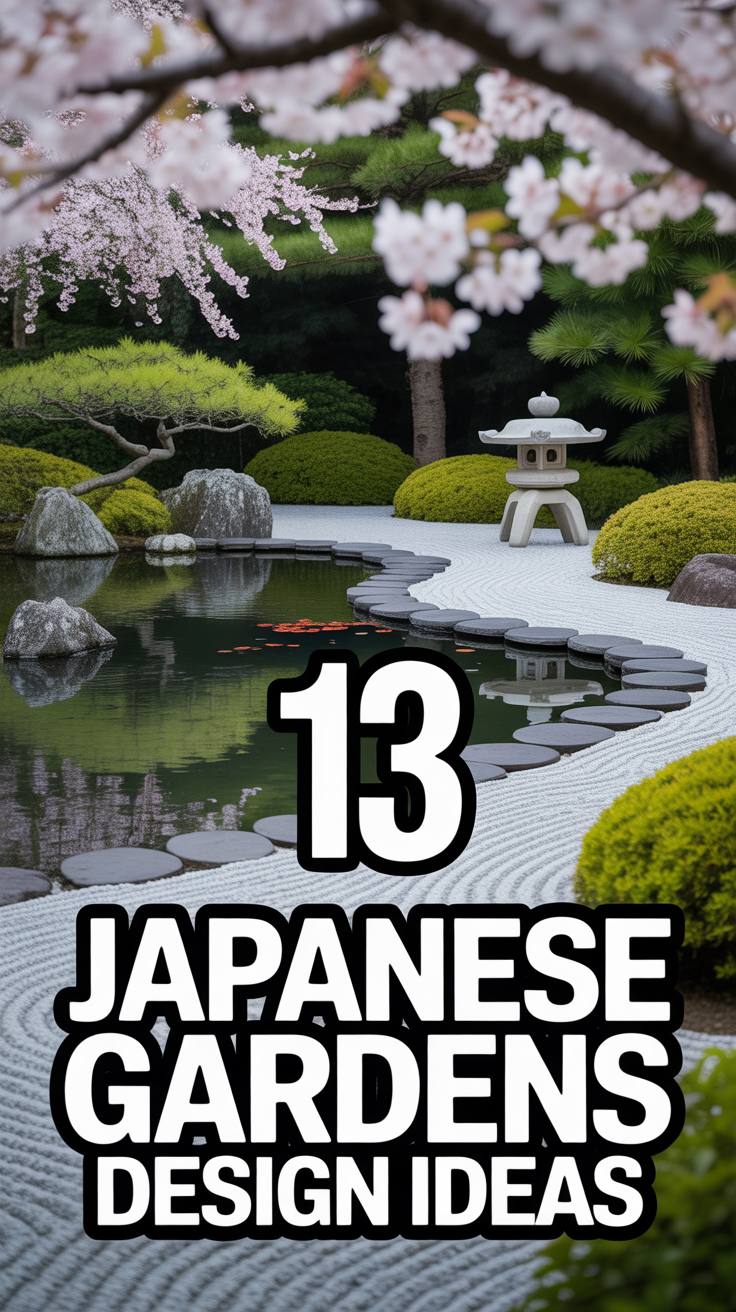
🍂 13 Japanese Gardens Design Ideas
👩🌾 The Master Gardener's Starter Kit
Having a healthy, thriving garden is ten times easier when you aren't fighting with cheap tools. These are the 5 rugged, reliable gardening essentials that experienced landscapers and passionate home gardeners swear by to save time, protect their joints, and get better yields.
✂️ Felco F-2 Classic Manual Pruners
The legendary "buy it for life" pruning shears. Cheap pruners crush stems and spread disease, but these Swiss-made, razor-sharp bypass pruners slice cleanly through thick branches and rose bushes effortlessly. Every single part is replaceable, making it a true lifetime investment.
💧 XLUX Soil Moisture Meter
Overwatering is the number one reason plants die. This simple, battery-free probe completely removes the guesswork from your watering schedule. Just stick it in the soil at root level to instantly know exactly when your veggies, flowers, or houseplants are actually thirsty.
🐍 Flexzilla Heavy Duty Garden Hose
Stop wrestling with stiff, heavy rubber hoses that pinch and cut off water flow. This incredibly lightweight, high-visibility green hose lays completely flat, never kinks under pressure, and is surprisingly easy to coil back up—even in freezing weather.
🧘♀️ Extra Thick High-Density Kneeling Pad
Gardening shouldn't mean suffering joint pain for three days afterward. This ultra-thick, water-resistant foam pad absorbs rocks, roots, and uneven ground, protecting your knees whether you're pulling weeds for five minutes or planting bulbs all afternoon.
🧤 Pine Tree Tools Bamboo Garden Gloves
Finally, a glove that protects hands without making you lose your dexterity. These breathable bamboo-fiber gloves fit like a second skin, allowing you to handle delicate seedlings or grip muddy tools securely while keeping dirt from packing under your fingernails.
Alright, listen up, gardenista. Ever scrolled through Pinterest and thought, “My backyard could use a serious glow-up, but, like, make it serene?” You’re in luck, because we’re diving headfirst into the tranquil, artful world of Japanese gardens. Forget your basic shrubbery; we’re talking about creating a vibe that screams “I meditate here” (even if you’re just sipping iced coffee). These aren’t just pretty spaces; they’re carefully curated pieces of living art designed for peace and reflection. Let’s get you zen, shall we?
1. Zen Garden Karesansui
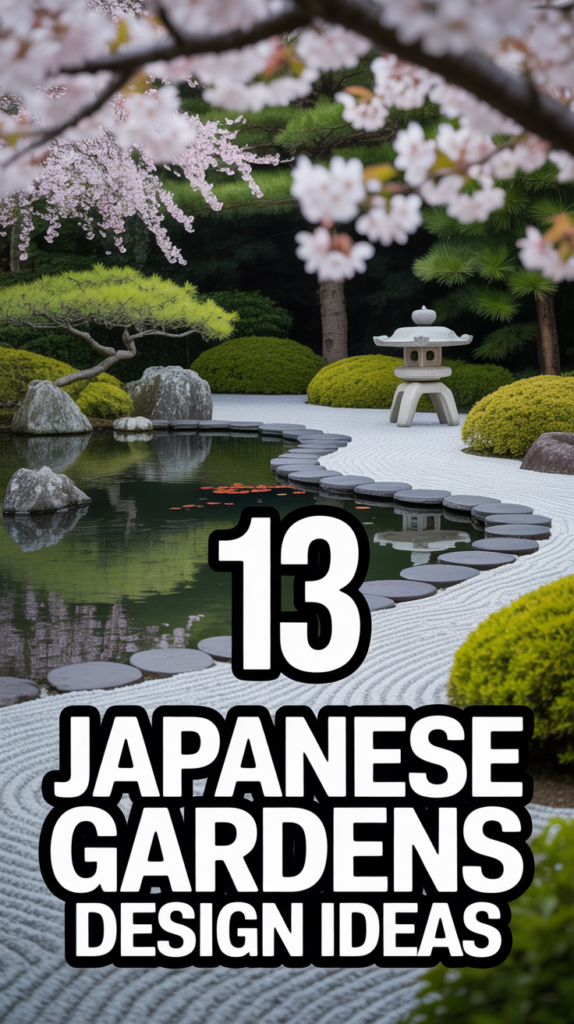
First up, the OG of chill: the Zen garden, or Karesansui. This isn’t your grandma’s flower bed; it’s a dry landscape garden where sand or gravel represents water, and carefully placed rocks are islands or mountains. Think minimalist, meditative, and incredibly chic.
Pro tip: Rake the gravel in patterns to symbolize ripples in water. It’s surprisingly therapeutic, and honestly, way less effort than actually maintaining a pond. Plus, no fish to feed.
This design works because it invites contemplation and requires minimal actual gardening, which is a win-win in our book.
2. Pond and Water Features
If dry isn’t your thing, let’s talk actual water. A beautiful pond with a gentle waterfall or stream is the heart of many traditional Japanese gardens. It brings life, sound, and a reflective surface that mirrors the sky.
Ensure your pond includes koi fish for an extra splash of color and movement. They’re like living jewels, but way less demanding than a pet unicorn.
The gentle sounds of flowing water instantly lower your blood pressure. It’s basically free therapy, and it looks amazing.
3. Stone Lanterns Toro
You know those gorgeous stone lanterns you see in all the fancy Japanese garden photos? Those are Toro, and they’re not just for looks. Historically, they lit pathways to tea houses, but now they add an ancient, mystical vibe.
Choose different styles like Yukimi-gata (snow-viewing) or Kasuga-gata to match your garden’s specific aesthetic. Just don’t expect them to light up your whole yard; they’re more about ambiance.
Placing a Toro strategically creates a focal point and adds a touch of timeless elegance, making your garden feel instantly more authentic.
4. Stepping Stones Tobi-ishi
Forget boring concrete paths; we’re using Tobi-ishi, or stepping stones. They guide visitors through the garden, forcing a slower, more deliberate pace. This isn’t a race; it’s an experience.
Vary the size and shape of your stones, and lay them out in an irregular, natural pattern. Make sure they’re stable, though; we’re aiming for zen, not a twisted ankle. Safety first, friends.
Stepping stones encourage you to notice the details around you, turning a simple walk into a mindful journey.
5. Moss Gardens
Moss is the unsung hero of tranquility. A lush, velvety carpet of moss creates an incredible sense of age and serenity, especially in shaded areas. It’s soft, green, and makes everything feel ancient and wise.
Cultivate different varieties of moss for varied textures and shades. Just remember, moss thrives in damp, shady conditions, so don’t try to plant it in direct desert sun unless you’re into crispy green. It’s not a succulent, people.
A moss garden offers a soft, inviting ground cover that evokes a deep sense of peace and natural beauty.
6. Bamboo Fences
Need a little privacy or just want to define a space? Bamboo fences are your stylish, eco-friendly answer. They come in various styles, from tightly woven screens to more open, decorative patterns.
Consider a Kyo-gaki fence for a traditional look or a simple Takeho-gaki for a more rustic feel. They’re surprisingly sturdy and add an instant touch of authentic Japanese charm. Plus, they look way cooler than chain link.
Bamboo fences provide both structure and a natural aesthetic, beautifully integrating with the garden’s overall design.
7. Bridges Hashi
If you have a pond or a dry stream, a bridge is practically mandatory. Japanese bridges, or Hashi, are often arched and made of wood, stone, or even earth. They symbolize a transition from one world to another, or just, you know, getting over water.
Choose a bridge style that complements your garden’s size and materials. A bright red lacquered bridge makes a bold statement, while a simple wooden one blends in seamlessly. Don’t go too wild; we’re not building a roller coaster.
A well-placed bridge adds visual interest and a sense of journey, enhancing the garden’s narrative flow.
8. Tea Gardens Chaniwa
For the ultimate experience in mindful living, consider a Chaniwa, or tea garden. These are designed to prepare the mind and body for the traditional tea ceremony, often featuring a small path, a water basin, and a humble tea house.
Keep the path clear and simple, leading the eye and the feet directly to the tea house. This isn’t the place for distractions; it’s about focus and quiet anticipation. Imagine the Instagram stories you could get here.
A tea garden provides a sacred, secluded space for reflection and ritual, perfect for escaping the daily grind.
9. Borrowed Scenery Shakkei
This one’s genius: Shakkei, or borrowed scenery. It’s the art of incorporating distant views, like mountains or tall trees outside your property, into your garden’s composition. Basically, you’re making nature do some of the heavy lifting for free.
Carefully frame your garden to highlight these natural backdrops. Trim trees or shrubs that block the view, but don’t go chopping down your neighbor’s prize-winning oak without asking. That’s just rude.
Borrowed scenery extends the perceived boundaries of your garden, making even a small space feel vast and expansive.
10. Azaleas and Rhododendrons
When it comes to flowering shrubs, Azaleas and Rhododendrons are stars in Japanese gardens. Their vibrant blooms in spring add splashes of color that contrast beautifully with the greens and grays of the landscape.
Plant them in clusters for maximum impact, and ensure they have acidic soil and partial shade to really thrive. They’re divas, but worth it for the show. Just sayin’.
These plants provide seasonal bursts of color and texture, adding dynamic beauty to the garden without being overwhelming.
11. Maple Trees Momiji
Oh, Japanese Maple trees (Momiji). Their delicate leaves and stunning autumn colors are absolutely iconic. From deep reds to fiery oranges, they provide incredible visual drama, especially when backlit by the sun.
Choose varieties like ‘Bloodgood’ for deep red foliage or ‘Sango Kaku’ for coral bark. Plant them where their fall colors can truly shine, perhaps near water for reflection. They’re basically supermodels of the tree world.
Maple trees offer year-round interest, with their elegant forms and spectacular seasonal transformations.
12. Water Basins Tsukubai
A Tsukubai is a small, low-lying water basin, often accompanied by a bamboo spout (kakehi) and stepping stones. It’s traditionally used for ritual purification before entering a tea house, but it’s also just a really charming water feature.
Place it in a secluded spot, perhaps surrounded by moss, and add a small stone dipper. It’s about cleanliness and humility, and it looks incredibly serene. Plus, it’s a great spot for birds to grab a drink.
A Tsukubai adds a functional and symbolic element, enhancing the garden’s tranquil and reflective atmosphere.
13. Pine Trees Matsu
Last but not least, the venerable Pine tree (Matsu). These evergreen beauties symbolize longevity and strength, and their sculptural forms are often carefully pruned to evoke age and wisdom. They’re the stoic elders of the garden.
Consider a dwarf variety if your space is limited, or try your hand at Niwaki (Japanese garden pruning) to shape a larger pine. It requires patience, but the results are truly artistic. Don’t just hack at it, though; there’s an art to this.
Pine trees provide year-round structure and a powerful sense of permanence, anchoring the garden’s design.
🪴 The Plant Parent Oasis Build
Taking your indoor jungle or backyard patio to the next level requires more than just water and sunlight. These 5 aesthetic and highly functional accessories are what interior designers and green-thumb experts use to help plants thrive while looking visually stunning.
💡 SANSI Full Spectrum LED Grow Light Bulb
The secret to keeping monsteras and fiddle leaf figs exploding with new growth even in dark apartments. These powerful LED bulbs fit into standard decorative lamps, providing intense, natural daylight mimicry without the ugly purple hue of cheap grow lights.
🌳 Planters' Choice Bonsai Starter Kit
A beautiful introduction to the art of bonsai. This wildly popular kit comes with everything you need—seeds, soil pucks, clippers, and biodegradable pots—to grow four different types of miniature trees from scratch. It's a deeply rewarding and meditative project.
🪵 Elevated Cedar Raised Garden Bed
The perfect solution for growing fresh herbs and tomatoes on a patio or balcony. Standing waist-high, it completely eliminates the need for bending and weeding, while the beautiful, rot-resistant cedar construction instantly upgrades the look of any outdoor space.
✨ Vintage Brass Glass Plant Mister
Tropical plants like ferns and calatheas desperately need humidity, but you don't have to use an ugly plastic spray bottle. This gorgeous, vintage-inspired glass mister delivers a fine fog to keep leaves healthy, and it looks beautiful displayed on a shelf among your pots.
🏺 Terracotta Self-Watering Spikes
Never come home from a vacation to dead, crispy plants again. Simply push these porous terracotta spikes into the soil and insert any recycled glass bottle filled with water. The clay automatically releases moisture at the exact rate the soil dries out!
Conclusion
So there you have it, 13 ways to turn your outdoor space into a slice of pure tranquility. Whether you’re going full Zen master with raked gravel or just adding a serene water basin, remember that Japanese garden design is all about balance, harmony, and inviting quiet contemplation. It’s not about stuffing every idea into one space; it’s about thoughtful placement and creating a narrative. Go forth, get your hands dirty, and craft a garden that whispers “calm” instead of screaming “chaos.” Your inner peace (and your Instagram feed) will thank you.