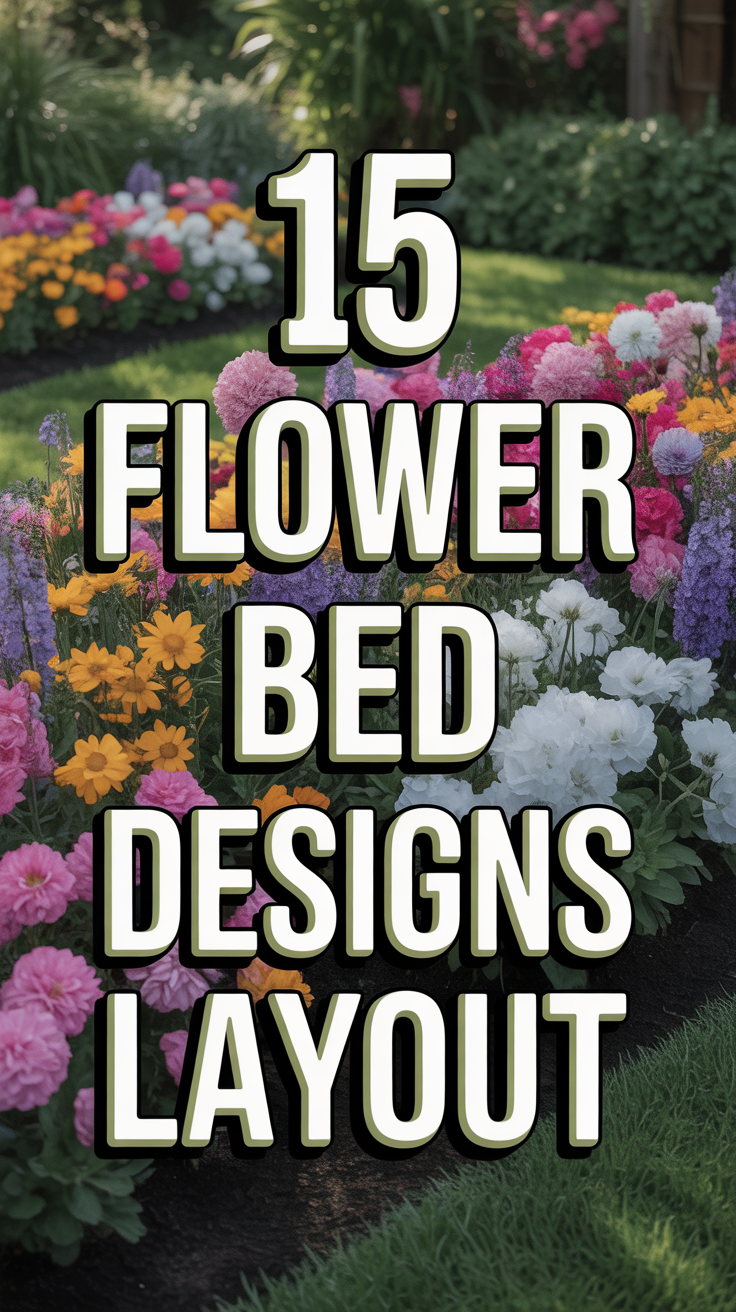
🌸 15 Flower Bed Designs Layout
Alright, plant pals, ready to ditch the sad little patch of dirt and upgrade to a full-blown botanical masterpiece? We’re talking flower bed designs that make your neighbors seriously jealous (in a good way, mostly). Forget those dusty garden books; we’re diving into layouts that are anything but basic. Your green thumb is about to get a serious workout, so let’s get blooming.
1. Classic Cottage Charm
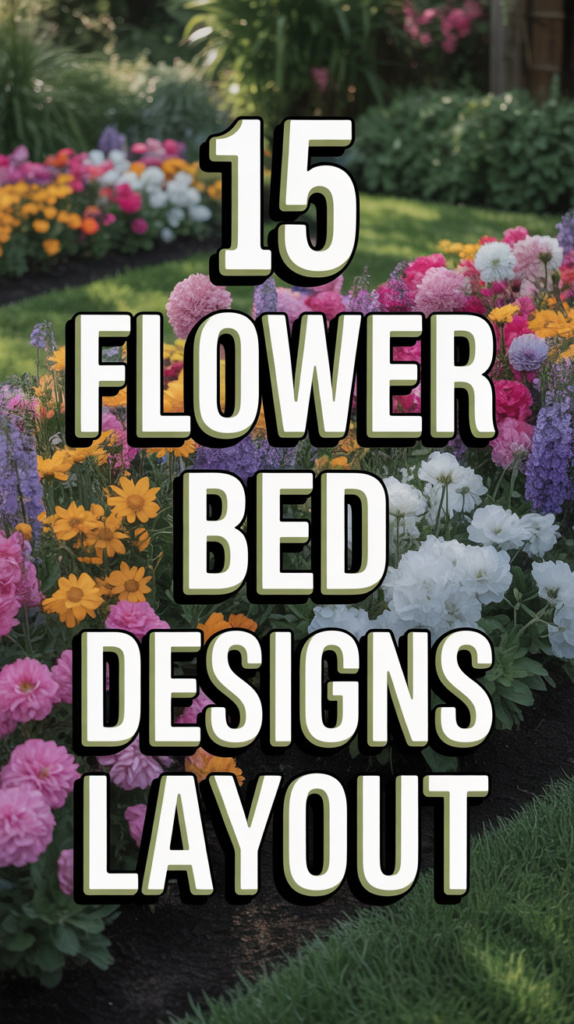
Ever dreamt of a garden that looks like it stepped right out of a storybook? The cottage garden vibe is all about whimsical abundance, a beautiful riot of color and texture that screams “I live in a charming, slightly disheveled paradise.”
Think layers of diverse plants, from towering delphiniums to sprawling roses and cheerful cosmos, all mingling happily. It’s less about strict lines and more about creating a soft, inviting tapestry. Pro tip: Don’t be afraid to let a few plants self-seed; it adds to that organic, lived-in feel. This layout works because it embraces nature’s beautiful chaos, inviting pollinators and delighting the eye with its endless surprises.
2. Modern Minimalist Stripes
Who says flower beds have to be a chaotic free-for-all? Embrace your inner minimalist with clean, linear rows of contrasting plants. This design is sleek, chic, and surprisingly impactful, perfect for a contemporary vibe.
Pick just a few plant varieties with distinct colors or leaf textures and arrange them in parallel lines. Think ornamental grasses next to bold petunias for a striking visual. Pro tip: Use edging material like steel or brick to keep those lines super crisp and defined. This layout makes a big statement with minimal fuss, proving that sometimes, less truly is more.
3. Circular Island Oasis
Break free from the tyranny of the straight line with a captivating circular island bed. This design creates a focal point in any yard, drawing the eye inward and providing a delightful 360-degree view of your botanical brilliance.
Start with taller plants in the center, gradually tapering down to shorter varieties around the edges. This creates a pleasing mounded effect. Pro tip: Consider a small bird bath or a decorative garden statue in the very center for an extra touch of charm. An island bed works wonders for adding depth and interest to open lawn spaces, making your garden feel more intentional and lush.
4. Tiered Terraced Drama
Got a slope or just want to add some serious vertical interest? Terraced flower beds are your new best friend. They create distinct levels, allowing you to showcase different plant collections and add architectural flair.
Use retaining walls made from stone, timber, or even stacked railway sleepers to create your levels. Each tier becomes its own mini-garden. Pro tip: Plant trailing varieties on the upper tiers so they elegantly spill over the edges, softening the hard lines. This layout is fantastic for maximizing planting space on uneven ground and creating a truly dramatic visual effect.
5. Raised Garden Bed Bliss
Say goodbye to backaches and hello to easy access with raised flower beds. These beauties aren’t just practical; they add a structured, tidy look to your garden and can even become a design feature themselves.
You can build them from wood, stone, or metal, filling them with custom soil mixes perfect for your chosen plants. The elevated height makes planting and weeding a breeze. Pro tip: Make sure your raised bed material complements your home’s exterior for a cohesive look. Raised beds work wonders for improving drainage and giving your plants a head start in nutrient-rich soil, all while looking effortlessly chic.
6. Winding Border Wonder
Guide visitors on a delightful journey through your garden with a winding, organic border bed. This design softens hard landscaping edges and creates a sense of discovery as you follow its gentle curves.
Let the border meander along a path, fence line, or the edge of your lawn. Vary the depth of the bed to create interesting pockets and viewpoints. Pro tip: Incorporate stepping stones or a small bench within a wider curve to create a cozy seating nook. This layout adds flow and movement to your garden, making it feel larger and more inviting.
7. Monochromatic Magic
Think a single color palette sounds boring? Think again, my friend. A monochromatic flower bed can be incredibly sophisticated and impactful, creating a serene and harmonious visual experience.
Choose various shades and textures within one color family – all whites, all blues, or all purples. The subtle differences become surprisingly captivating. Pro tip: Add plants with interesting foliage (silvery leaves, variegated greens) to prevent the bed from falling flat. This design proves that restraint can be stunning, creating a peaceful and elegant space that truly stands out.
8. Pollinator Paradise Patch
Want to be a hero for the bees, butterflies, and hummingbirds? Design a flower bed specifically to attract and support these vital creatures. It’s a win-win: beautiful flowers for you, essential sustenance for them.
Focus on native plants, a variety of flower shapes (tubular for hummingbirds, flat for butterflies), and a staggered bloom time to ensure food all season. Pro tip: Include a shallow water source, like a bird bath with pebbles, for thirsty pollinators. This layout isn’t just pretty; it’s a living ecosystem, bringing life and movement to your garden in the most delightful way.
9. Shade Garden Sanctuary
Don’t let a shady spot get you down. Embrace the cool, dappled light by designing a tranquil shade garden. This layout proves that not all beauty needs full sun to thrive, creating a serene escape.
Think hostas, ferns, impatiens, and astilbes. Focus on varying leaf textures and shades of green, punctuated by pops of color from shade-loving blooms. Pro tip: Use light-colored stones or a reflective garden orb to brighten up darker corners. A shade garden offers a peaceful retreat, showcasing a different kind of botanical beauty that’s often overlooked.
10. Edible Flower Feast
Why choose between beauty and utility when you can have both? An edible flower bed is a feast for the eyes and your taste buds, blending ornamental appeal with culinary delight.
Plant calendula, nasturtiums, pansies, violas, and borage alongside your favorite herbs. Imagine garnishing salads with fresh petals from your own garden. Pro tip: Ensure all plants are truly edible and free from pesticides if you plan to munch on them. This layout adds a playful, practical element to your garden, making every meal a little more special.
11. Rock Garden Integration
Blend the rugged beauty of nature with delicate blooms using a rock garden layout. This design is perfect for challenging, dry, or sloped areas, creating a dramatic and naturalistic landscape.
Incorporate various sizes of rocks and boulders, planting drought-tolerant succulents, alpine plants, and small perennials in the crevices. Pro tip: Arrange rocks to mimic natural outcrops, partially burying larger ones for a more established look. A rock garden offers a low-maintenance, high-impact solution for tricky spots, bringing a touch of mountainous grandeur to your backyard.
12. Drought-Tolerant Desert Vibe
Conserve water without sacrificing style with a drought-tolerant flower bed. This layout is not just eco-conscious; it’s also incredibly striking, featuring resilient plants that thrive on neglect (in the best way).
Choose succulents, cacti, lavender, sedum, and ornamental grasses. These plants often have unique textures and vibrant colors that pop against a gravel or stone mulch. Pro tip: Group plants with similar water needs together to optimize watering efficiency. This design proves that a stunning garden doesn’t have to be a water hog, offering beauty with a side of sustainability.
13. Sensory Garden Path
Engage all your senses with a flower bed designed for touch, smell, and sight. This layout transforms a simple path into an immersive experience, inviting interaction and contemplation.
Plant fragrant herbs like rosemary and thyme along the edges, soft lamb’s ear for touch, and brightly colored, rustling grasses. Pro tip: Include chimes or a small water feature nearby for an auditory element. A sensory garden is a truly enriching experience, making your garden a place of wonder for everyone who walks through it.
14. Formal Symmetrical Grandeur
For those who love order and elegance, a formal symmetrical flower bed is the ultimate statement. This layout exudes sophistication, creating a balanced and harmonious visual that commands attention.
Design identical beds on either side of a central axis, like a path or a statue. Use repeating patterns of plants, often with clipped hedges or strong geometric shapes. Pro tip: Stick to a limited color palette to enhance the sense of formality and prevent visual clutter. This design speaks to a timeless beauty, offering a sense of calm and classic grandeur to any estate (or even just a very neat backyard).
15. Wildflower Meadow Patch
Channel your inner free spirit with a wildflower meadow patch. This isn’t just a bed; it’s a celebration of untamed beauty, bringing a slice of the countryside right to your urban (or suburban) doorstep.
Scatter a mix of native wildflower seeds in a designated area. The result is a vibrant, ever-changing tapestry of blooms that requires minimal upkeep once established. Pro tip: Prepare the soil well before seeding to give your wildflowers the best chance to flourish. This layout offers an effortless, natural beauty, supporting local ecosystems and providing a breathtaking display of nature’s artistry.
Conclusion
So there you have it, future garden gurus! Fifteen ways to transform your humble patch into a blooming masterpiece. Whether you’re a minimalist maestro or a cottage garden connoisseur, there’s a flower bed layout just waiting for your green-thumbed magic. Go forth, get your hands dirty, and remember: the only limit is your imagination (and maybe your budget for fancy exotic plants). Happy planting, you magnificent botanical beasts!