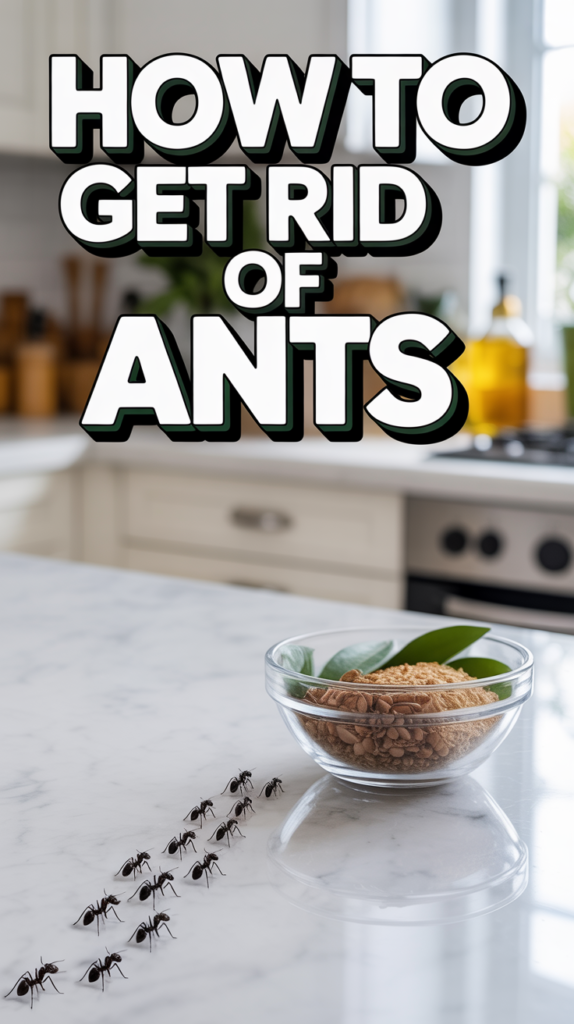
🌿 How To Get Rid Of Ants
There’s nothing quite like stepping out into your carefully curated garden, breathing in the scent of blooming flowers, and admiring the vibrant tapestry of green. But then, you spot them – a tiny, determined parade of ants marching across your patio, invading your prized petunias, or worse, finding their way into your kitchen. It can feel disheartening, turning your peaceful sanctuary into a battleground. But fear not, fellow garden enthusiast! Getting rid of ants doesn’t have to mean harsh chemicals or giving up on your nature-inspired haven. With a thoughtful, practical, and eco-conscious approach, you can reclaim your beautiful spaces and restore harmony.
This guide will walk you through easy-to-follow steps, blending effective ant control with sustainable gardening practices, helping you cultivate a thriving, ant-free environment that’s as beautiful as it is peaceful. Let’s transform your outdoor living areas into the Pinterest-worthy paradise you’ve always dreamed of, free from uninvited six-legged guests!
Quick Overview
This guide will empower you to identify, deter, and eliminate ant infestations, both indoors and out, using methods that prioritize your garden’s health and your family’s well-being. You’ll learn how to create natural barriers, utilize strategic baits, and maintain a garden that naturally resists pests, all while enhancing its beauty.
- Time needed: Initial setup: 30-60 minutes; Ongoing monitoring & maintenance: 10-15 minutes weekly.
- Difficulty: Beginner
- What you’ll need: Cleaning supplies, essential oils (peppermint, tea tree, lemon), white vinegar, cinnamon, coffee grounds, food-grade diatomaceous earth, borax (optional, for baits), sugar, spray bottles, garden gloves, small trowel, a keen eye.
Step-by-Step Instructions
Step 1: Become an Ant Detective – Observe & Identify
Before you launch into action, take a moment to understand your tiny adversaries. Observing their behavior is crucial for effective, targeted control. Where are they coming from? What are they attracted to? Are they marching in neat lines or scattered? Are they tiny black ants, larger carpenter ants, or reddish fire ants? Knowing their habits helps you choose the right strategy.
- Indoors: Check kitchen counters, pantries, window sills, and around pet food bowls. Follow their trails to discover entry points like cracks in walls, gaps around pipes, or poorly sealed windows.
- Outdoors: Scrutinize your flower beds, the edges of your patio, under potted plants, near compost bins, and around any fruit trees or berry bushes. Ants are often drawn to sweet honeydew produced by aphids, so check plants for these tiny sap-suckers.
Pro tip: Ants leave pheromone trails for others to follow. Identifying these trails is key to breaking their communication network and blocking future invasions. Note down the most active trails and entry points for targeted action.
Step 2: Cleanse and Sanitize – Remove the Welcome Mat
Ants are primarily seeking food and water. The easiest way to deter them is to eliminate their access to these vital resources. Think of it as removing the welcome mat and locking the pantry door.
- Indoor Refresh:
- Wipe down all kitchen surfaces, floors, and dining areas with a mixture of white vinegar and water (50/50). Vinegar not only cleans but also disrupts ant pheromone trails, confusing them.
- Store all food in airtight containers, including pet food. Don’t leave crumbs on counters or floors.
- Empty trash cans frequently and keep them tightly sealed.
- Rinse recyclables thoroughly before putting them in the bin.
- Fix any leaky faucets or pipes, as ants are also attracted to moisture.
- Outdoor Tidy-Up:
- Sweep your patio and deck regularly, ensuring no food scraps or spilled drinks are left behind after outdoor meals.
- Clean up fallen fruit from trees or bushes promptly. Overripe fruit is an ant magnet.
- Keep pet food bowls clean and consider bringing them indoors after feeding, especially if you feed outside.
- Ensure your compost pile is well-managed and turned regularly to minimize attractions.
A sparkling clean environment, both inside and out, significantly reduces the appeal of your home and garden to foraging ants.
Step 3: Cultivate Natural Barriers and Deterrents – A Scented Shield
Nature offers an array of fragrant solutions to keep ants at bay. Many plants and natural substances are disliked by ants, making them excellent choices for creating invisible, aromatic shields around your home and garden areas.
- Plant Power:
- Peppermint: Plant vibrant peppermint around your foundation, near entry points, or in pots on your patio. Its strong, fresh scent is repulsive to ants. You can also make a peppermint essential oil spray (10-15 drops per cup of water) for direct application on trails.
- Lavender: The beautiful purple spires of lavender not only add a touch of elegance and a calming aroma to your garden but also deter ants. Plant them in flower beds or containers.
- Marigolds: These cheerful, easy-to-grow annuals are known for their pest-repelling properties, including ants. Plant them in vegetable gardens (especially near tomatoes) and flower beds. Their bright blooms are a joy!
- Tansy & Catnip: These herbs are strong deterrents. Plant tansy along borders (be mindful, it can spread) and catnip in areas where you want to keep ants out.
- Garlic & Chives: Planting these aromatic bulbs and herbs near vulnerable plants can help deter ants and other pests.
Consider your USDA hardiness zone for perennial plants to ensure they thrive year-round. For seasonal flair, rotate annuals like marigolds.
- Spice & Earth Barriers:
- Cinnamon: Sprinkle ground cinnamon directly on ant trails, around pet bowls, or at entry points. Ants hate its strong scent and won’t cross it. It’s safe for children and pets.
- Coffee Grounds: Used coffee grounds, sprinkled around garden beds or at the base of plants, can deter ants and also enrich the soil.
- Diatomaceous Earth (Food-Grade): This natural powder, made from fossilized algae, is a powerful physical deterrent. When ants walk over it, the microscopic sharp edges cut their exoskeletons, leading to dehydration. Sprinkle a thin layer around foundations, garden beds, and ant trails. Always use food-grade DE, especially around pets and edibles.
- White Vinegar: As mentioned, a 50/50 vinegar-water spray can be used to wipe down surfaces and spray directly on ant trails to erase their scent markers.
Pro tip: Refresh natural barriers, especially scents like cinnamon and essential oils, every few days or after rain to maintain their effectiveness. For a Pinterest-worthy touch, arrange potted herbs like mint and lavender strategically on your patio or near windows.
Step 4: Seal & Target Entry Points – Fortify Your Fortress
After identifying entry points, it’s time to seal them off. This is crucial for preventing future invasions and redirecting foraging ants.
- Caulk & Seal: Use caulk to seal cracks and crevices in your home’s foundation, around windows, door frames, and where utility lines enter the house. Even tiny gaps are highways for ants.
- Inspect Potted Plants: Ants often build nests in the soil of potted plants, especially if they are overcrowded or have been outdoors. If you find ants in a potted plant, gently drench the soil with a diluted neem oil solution or insecticidal soap. You might also consider repotting the plant, carefully rinsing the roots to dislodge any ants or eggs.
- Outdoor Nests: For visible outdoor nests (away from desired plants or paved areas), a simple solution is boiling water. Pouring boiling water directly into the nest entrance can effectively destroy the colony. Exercise extreme caution to avoid splashing yourself or harming nearby vegetation. For sensitive areas, a strong spray of diluted dish soap and water can also be effective.
Pro tip: Regularly inspect window and door screens for tears. Repairing these small damages can make a big difference in keeping not just ants, but other unwanted pests, out of your home.
Step 5: Deploy Strategic Baits – The Trojan Horse Method
Sometimes, deterrence isn’t enough, especially with established colonies. Baits are an excellent way to get rid of ants because they leverage the ants’ foraging behavior. Worker ants take the bait back to the nest, sharing it with the queen and other ants, effectively eliminating the colony from the inside out. Patience is key with baits.
- DIY Borax & Sugar Bait (Use with Caution):
- Mix 1 part borax with 3 parts sugar. Add a little water to form a thick paste or syrup.
- Place small dollops of the mixture on index cards or bottle caps near ant trails but out of reach of children and pets.
- The sugar attracts the ants, and the borax acts as a slow-acting stomach poison.
- Important: Borax is toxic if ingested by pets or humans. Use in areas inaccessible to them.
- Cornmeal: Some gardeners swear by cornmeal as a bait. Ants are attracted to it, but they cannot digest it, leading to their demise. Sprinkle it near ant trails. This is a safer option if you have pets or small children.
- Commercial Ant Baits: If DIY options aren’t cutting it, consider commercial ant baits. Choose those designed for indoor/outdoor use, and always follow package directions precisely. Look for options that are pet and child-safe if possible, or place them in secure bait stations.
Pro tip: Don’t kill the ants you see on the bait. You want them to carry the bait back to the colony. It might take a few days to a week to see results as the bait works its way through the colony.
Step 6: Cultivate an Ant-Resistant Garden – A Harmonious Ecosystem
A healthy, well-maintained garden is naturally more resistant to pests. By focusing on good gardening practices, you create an environment that deters ants and encourages beneficial insects.
- Pruning & Trimming: Keep tree branches and shrubs trimmed away from your house. These can act as “bridges” for ants to access your home.
- Mulch Management: While mulch is great for moisture retention and weed suppression, keep mulch layers thin (1-2 inches) directly adjacent to your house foundation. Thick, moist mulch can create attractive nesting sites for ants.
- Watering Wisdom: Avoid overwatering, especially near your house. Excess moisture can attract ants looking for a water source. Water deeply and less frequently, allowing the soil surface to dry out.
- Companion Planting: Embrace the beauty and functionality of companion planting. As mentioned in Step 3, planting ant-repelling herbs and flowers strategically not only deters pests but also enhances the visual appeal and biodiversity of your garden. Consider a border of vibrant marigolds around your vegetable patch or fragrant lavender near your patio.
- Aphid Patrol: Ants “farm” aphids for their sugary honeydew. If you have an aphid problem, you’ll likely have an ant problem. Introduce beneficial insects like ladybugs (which adore aphids) or use insecticidal soap to control aphid populations. A healthy ecosystem balances itself.
Pro tip: For small space gardening or backyard patios, container gardening offers flexibility. Rotate ant-repelling herbs like mint, basil, and rosemary in attractive pots to create fragrant, mobile barriers. These can be easily moved to high-traffic ant areas.
Step 7: Monitor and Adapt – The Ongoing Journey
Ant control is rarely a one-and-done task. It’s an ongoing process of observation, action, and adjustment. Make it a part of your regular garden and home maintenance routine.
- Regular Checks: Periodically inspect areas where you’ve seen ants before, especially during warmer months when they are most active. Check new plant arrivals for hitchhiking ants before introducing them to your garden.
- Adjust Strategies: If one method isn’t working as effectively as you hoped, don’t be afraid to try another or combine approaches. Perhaps the ants in your garden prefer a different type of bait, or you need to reinforce your natural barriers.
- Embrace Nature’s Rhythm: Understand that some level of insect activity is normal and healthy for a garden. The goal isn’t to sterilize your environment but to manage ant populations so they don’t become a nuisance or cause damage.
This continuous engagement with your outdoor space will not only keep ants at bay but also deepen your connection to your garden, making you a more intuitive and successful gardener.
Common Mistakes to Avoid
- Only Treating Visible Ants: Spraying individual ants you see marching across your counter might give temporary satisfaction, but it won’t solve the problem.
Why it’s problematic: You’re only eliminating a tiny fraction of the colony (the foragers), while the queen continues to produce thousands more in the hidden nest. The colony will simply send out more foragers.
The correct approach: Focus on methods that target the entire colony, such as baits that ants carry back to the nest, or by locating and destroying nests directly.
- Using Harsh Pesticides Indiscriminately: Reaching for the strongest chemical spray as a first resort can seem effective but has wider implications.
Why it’s problematic: These chemicals can harm beneficial insects (like ladybugs and bees), pets, children, and contaminate your garden soil and water. They can also create resistant ant populations over time, making future control harder.
The correct approach: Start with natural, non-toxic deterrents and baits. Reserve targeted, less-toxic commercial options as a last resort, always applying them according to instructions and with safety in mind.
- Giving Up Too Soon: Ant control requires patience and persistence. You might not see instant results.
Why it’s problematic: If you stop applying deterrents or baits after a few days because you still see ants, you’re interrupting the process. Baits, especially, need time to be carried back and shared throughout the colony.
The correct approach: Be consistent with your chosen methods. Continue applying deterrents, refreshing baits, and maintaining cleanliness for at least 1-2 weeks, even if you still see some ant activity. This ensures the colony is truly eradicated.
- Leaving Food and Water Accessible: Forgetting to clean up crumbs or addressing leaky pipes.
Why it’s problematic: You’re essentially sending out an open invitation for ants. Even if you eliminate one colony, new ants will quickly discover these resources and establish a new presence.
The correct approach: Rigorous cleanliness and moisture control are foundational to long-term ant prevention. It’s the first and most important step to maintain.
Troubleshooting
- “Ants keep coming back!”
Solution: Re-evaluate your entry points and cleanliness. Have you missed a crack in the foundation or a forgotten food source? Check for new colonies, especially in different areas of your garden or home. Sometimes, eliminating one colony simply opens up territory for another. Reinforce your barriers and baits. Consider if you’re dealing with multiple colonies.
- “My natural deterrents aren’t working.”
Solution: Increase the concentration or frequency of application. For instance, if using essential oils, add more drops. If using cinnamon or coffee grounds, refresh them more often, especially after rain or heavy wind. Try combining different deterrents, like peppermint spray with a diatomaceous earth barrier. Some ant species are more resistant to certain natural deterrents than others; you might need to try a different scent or substance. Ensure you’re addressing the root cause (food source) alongside deterrence.
- “Ants are in my potted plants, and I’m worried about my indoor plants.”
Solution: Isolate the affected plant immediately. Drench the soil with a diluted solution of neem oil or insecticidal soap (follow product instructions carefully). You can also try submerging the entire pot in a bucket of water for 20-30 minutes; this will often force the ants out. If the infestation is severe, consider gently removing the plant, rinsing the roots, and repotting with fresh soil. Before bringing any outdoor potted plants inside for the season, always inspect them thoroughly for ants and other pests.
Key Takeaways
- Observe First: Understand where ants are coming from and what they’re after before acting.
- Cleanliness is Key: Eliminate food and water sources, indoors and out, to make your space less appealing.
- Natural Barriers: Utilize ant-repelling plants and natural substances like cinnamon, coffee grounds, and diatomaceous earth to create protective zones.
- Seal Entry Points: Caulk cracks and repair screens to prevent access to your home.
- Strategic Baiting: Use slow-acting baits (DIY or commercial) to eliminate the colony, not just individual ants.
- Garden Harmony: Maintain a healthy garden through proper pruning, watering, and companion planting to naturally deter pests.
- Patience & Persistence: Ant control is an ongoing process that requires consistent effort and monitoring.
- Eco-Conscious Approach: Prioritize methods that are safe for your family, pets, and beneficial garden inhabitants.
Frequently Asked Questions
- Q1: Are ants ever beneficial for my garden?
A: Yes, some ant species can be beneficial! They can aerate soil, help pollinate certain plants, and even prey on other pest insects. However, species that farm aphids, build large mounds in inconvenient places, or invade your home are generally considered pests. The goal is balance, not total eradication of all ants.
- Q2: How long does it take to get rid of an ant colony?
A: It varies. With baits, you might see a reduction in activity within a few days, but it can take 1-2 weeks for an entire colony to be eliminated. For prevention and maintenance, it’s an ongoing effort. Be patient and consistent.
- Q3: What’s the safest “natural ant killer” to use around pets and kids?
A: Food-grade diatomaceous earth (DE) is generally considered very safe as it’s non-toxic to mammals and birds. Cinnamon, coffee grounds, and essential oil sprays (like peppermint or lemon) are also good, safe deterrents. Always ensure any DIY baits containing borax are placed in areas completely inaccessible to children and pets.
- Q4: Can ants actually damage my plants?
A: Directly, ants rarely damage plants by eating them. Their main harm comes from “farming” aphids, mealybugs, and scale insects. Ants protect these sap-sucking pests from predators in exchange for their sugary honeydew, allowing the pests to multiply and damage your plants. They can also disturb roots by nesting in pots or garden beds.
What’s Next?
You now have a comprehensive toolkit to tackle those pesky ants and reclaim your beautiful outdoor and indoor spaces. Don’t wait for the next ant invasion – start implementing these steps today!
As you cultivate your ant-free oasis, consider diving deeper into related gardening topics:
- Companion Planting Guide: Discover more